






Definition & Meaning
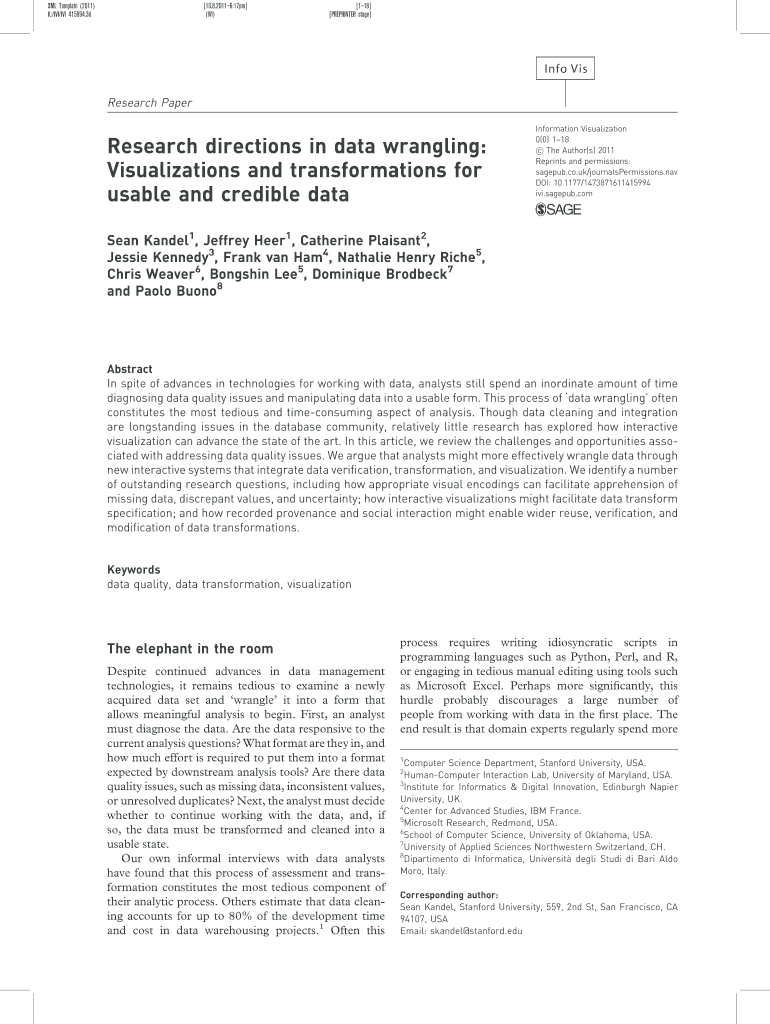
Data wrangling, also known as data munging, is the process of transforming raw data into a more usable format for analysis. Within the research domain, organizations like Microsoft Research explore various methods to enhance the efficiency and effectiveness of data wrangling. This involves identifying new techniques and tools that streamline the process of cleaning and preparing data, thereby enabling analysts to spend more time on actual data analysis rather than on preliminary data preparation. Such research can lead to more sophisticated data manipulation techniques and tools, benefitting industries that rely heavily on data-driven decisions.
Key Aspects of Data Wrangling
- Data Cleaning: This involves correcting or removing errors, duplicates, or irrelevant data to ensure accuracy.
- Data Transformation: Transforming data into a required format or structure to aid in analysis.
- Data Mapping: Ensuring data corresponds correctly to required data fields or formats across different sources.
How to Use the Research Directions in Data Wrangling - Microsoft Research
For academics, practitioners, or businesses involved in data-related fields, making use of Microsoft Research's findings on data wrangling can offer significant benefits. These insights help inform the processes for data preparation and integration.
Utilization Steps
- Review Research Findings: Examine the specific research directions identified in the publication to understand potential enhancements to your data processes.
- Integrate Tools and Techniques: Implement the suggested w.hangling tools and techniques into existing systems to boost efficiency.
- Collaborate with Teams: Discuss potential changes with team members involved in data wrangling to identify the most applicable solutions.
Steps to Complete the Research Directions in Data Wrangling - Microsoft Research
Understanding and implementing research directions in data wrangling can be accomplished through a structured approach.
- Identify the Data Challenge: Begin by pinpointing specific data wrangling challenges your organization faces.
- Apply Research Insights: Utilize findings from Microsoft Research to address these challenges.
- Evaluate Impact: After implementing recommendations, assess how these changes improve data processing and decision-making.
Key Steps Involved
- Engage with Stakeholders: Include decision-makers and stakeholders in discussions about research implementation.
- Test New Approaches: Pilot new tools or methodologies on a small scale to track effectiveness.
- Document Changes: Maintain thorough records of any adjustments to process and outcomes observed.
Who Typically Uses the Research Directions in Data Wrangling - Microsoft Research
The primary users of research directions in data wrangling are individuals and entities involved in data management and analysis.


Common Users
- Data Analysts and Scientists: Seek efficient ways to prepare data for decision-making.
- IT Specialists: Implement tools and manage the technological aspects of data wrangling processes.
- Academic Researchers: Investigate new methodologies to contribute to the field of data management.

Use Case Scenarios
- Business Intelligence Teams: Utilize research to ensure data readiness for business analytics applications.
- Software Developers: Develop or enhance data integration and manipulation features in applications.
Important Terms Related to Research Directions in Data Wrangling
A strong understanding of key terminologies is crucial for those engaged in this field. Here are several important terms:
- Data Integration: Combining data from different sources to provide a unified view.
- Data Validation: Checking data for correctness and quality.
- Automated Script Generation: Creating reusable scripts that automate parts of the data wrangling process.
Examples of Using the Research Directions in Data Wrangling - Microsoft Research
Microsoft Research provides practical examples of how their data wrangling advancements can be applied across various scenarios.
Real-World Applications
- Marketing Analytics: Using improved data wrangling techniques to clean customer data and enhance marketing strategy efficiency.
- Healthcare Data Management: Streamlining patient data records for better aggregation and retrieval by healthcare professionals.
- Retail Sales Analysis: Wrangling data to consolidate sales performance metrics from disparate sources for insightful analysis.
Software Compatibility (TurboTax, QuickBooks, etc.)
The seamless integration of data wrangling tools and techniques into established software solutions significantly enhances their value.
Software Integration
- QuickBooks: Implementing data wrangling techniques allows better management of financial data by ensuring integrity and consistency before importing.
- TurboTax: Allows for the accurate preprocessing of tax information before uploading into the system, ensuring compliance and correctness.
Digital vs. Paper Version
Digital methodologies for data wrangling offer numerous advantages over traditional paper-based systems.
Advantages of Digital
- Efficiency: Digital systems reduce time spent on manual data entry and transformation.
- Accuracy: Automated tools minimize human errors common in manual processes.
- Scalability: Digital methods can be scaled to handle vast amounts of data, unlike paper methods.
By adhering to these comprehensive research directions and leveraging insights from Microsoft Research in data wrangling, organizations and individuals can significantly improve their data processing capabilities, leading to more insightful analyses and informed decision-making.