Definition & Meaning
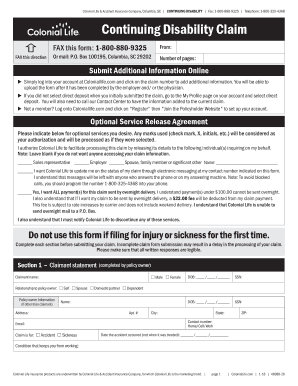
The "REASON FOR CHANGE (Check)" form serves as a standardized document, typically used to record and justify modifications in contracts, agreements, or organizational policies. It captures the nature of changes, reasons behind them, and any impacts these changes may have on involved parties. Whether it pertains to changes in scope, deadlines, or financial terms, this form acts as a formal record that ensures transparency and accountability. Its meticulous detail helps parties involved understand the reasoning and necessity for changes, thereby facilitating smoother transitions and minimizing potential disputes.
Key Elements of the REASON FOR CHANGE (Check)
The form contains several critical components designed to comprehensively capture change details:
- Description of Change: Clearly outlines the modifications being made. It is crucial to provide a detailed and precise account to ensure all parties have a complete understanding.
- Reason for Change: Explains why the change is necessary, providing justifications that contextualize the modification and help in decision-making processes.
- Impact Analysis: Assesses potential effects on timelines, costs, or resources. This section helps stakeholders foresee and prepare for the changes.
- Authorization: Includes signatures from all necessary parties to formalize the change, ensuring that the modification is agreed upon by everyone involved.
Steps to Complete the REASON FOR CHANGE (Check)
Completing this form requires careful attention to detail and an understanding of the specifics of the modification:
- Identify the Change: Clearly define what aspect of the contract or policy is being altered. Whether it's a deadline extension or scope adjustment, specificity is key.
- Justify the Reason: Provide a comprehensive rationale for the change. This should include background information, underlying issues prompting the change, and any relevant data or supporting documents.
- Analyze the Impact: Consider how the change affects all parties and document potential outcomes. Address effects on timelines, costs, scope, and resources.
- Acquire Necessary Approvals: Ensure all relevant stakeholders review and sign the form to formally approve the change. This step might require several layers of authorization depending on organizational structure.
- Submit: Once completed, the form should be filed, stored, and distributed according to company policy to ensure all parties have access to the latest information.
How to Obtain the REASON FOR CHANGE (Check)
To acquire this form, follow these typical steps:
- Internal Sources: Check within your organization's document management system or administrative offices. Many organizations have templates available for this purpose.
- Online Databases: If employed in a regulated industry like construction or government contracts, specific online repositories may host downloadable versions.
- Contact HR or Legal Departments: These departments usually assist in providing and managing formal documentation.
Legal Use of the REASON FOR CHANGE (Check)
The form serves as a legal record for modifications, playing a crucial role in:
- Ensuring Compliance: Helps fulfill regulatory requirements by providing documented evidence of all contractual changes.
- Supporting Legal Disputes: Used as evidence in case of disagreements, showing a detailed and signed record of changes and their justifications.
- Operational Integrity: By holding a formal record of changes, the form supports organizational accountability and transparency.
Examples of Using the REASON FOR CHANGE (Check)
Several scenarios highlight the importance of this form:
- Construction Projects: When project scope needs alteration due to unforeseen site conditions.
- Business Contracts: Change in supplier terms requiring adjustments in delivery timelines and conditions.
- Policy Amendments: Modifying company policy to align with new legislation, necessitating a formalized change record.
Software Compatibility
The digital version of the "REASON FOR CHANGE (Check)" form is compatible with various document management systems and formats, enhancing accessibility and ease of use. Supported platforms include:
- DocHub: Allows for seamless editing, signing, and sharing of the form, whether it's a PDF or a Word document.
- Google Workspace: Facilitates integration with Google Drive and Gmail, making it easy to access and distribute within organizations using Google's suite of applications.
- Popular Accounting Software: Tools like QuickBooks can often store and reference change forms to ensure financial records align with contracted modifications.