






Definition and Meaning
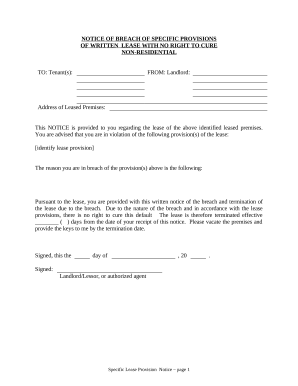
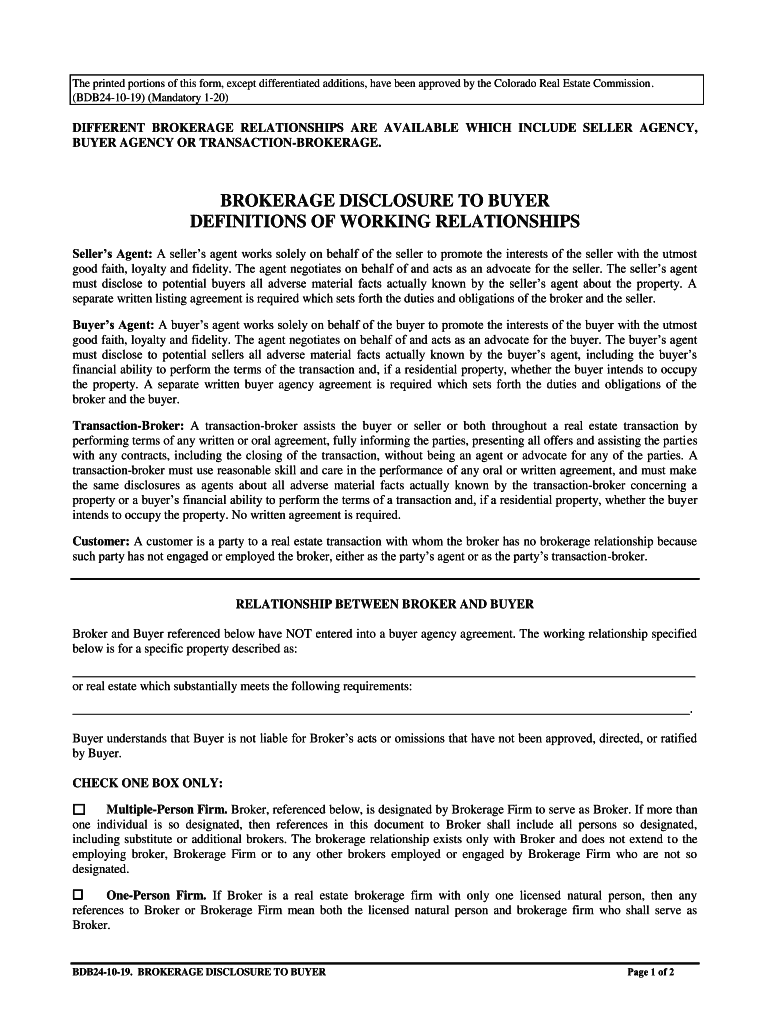
"Real Estate Broker Contracts and Forms Division of Real Estate" refers to a compilation of standardized documents and agreements used by real estate brokers. These forms outline the legal and contractual obligations in various real estate transactions, ensuring clarity and compliance. They define the scope and responsibilities of the parties involved, such as buyers, sellers, and brokers. The forms aim to provide a transparent framework that governs real estate dealings, thereby reducing disputes and promoting fair practices. Examples include buyer agency agreements, seller agency agreements, and transaction-brokerage disclosures.
How to Use the Forms
To effectively use these real estate broker contracts and forms, it is essential to first identify the specific document needed for your transaction. Begin by reviewing each form's purpose and relevance to your situation. Typically, brokers guide clients through the necessary forms, helping interpret terms and ensuring proper completion. When filling out the forms, pay careful attention to required information fields. This involves including accurate property descriptions, involved parties' details, contract dates, and any specific terms agreed upon. Once completed, both parties should review the form to confirm understanding and agreement before signing.
Steps to Complete the Forms
- Identify the Required Form: Determine which specific form applies to your real estate transaction, such as a buyer agency agreement or a broker disclosure form.
- Fill in General Information: Provide essential details like names of parties involved, property address, and date of agreement.
- Detail Specific Terms: Clearly define terms like brokerage fees, responsibilities of the broker, and duration of the agreement.
- Review Instructions: Carefully read any instructions provided with the form to ensure compliance with legal requirements.
- Sign and Date: Have all parties review the completed form and sign it to validate the agreement.
- Retain a Copy: Keep a signed copy for your records and submit the required documents to relevant authorities if necessary.
Key Elements of the Forms
The forms typically contain several critical elements designed to guide and protect all parties involved. Among these are:
- Identification of Parties: Clearly lists the names and contact information of all involved parties.
- Scope of Services: Outlines the services the broker will provide, such as marketing, negotiation, and transaction management.
- Brokerage Fees: Details the method of compensation for the broker, including any commission structures.
- Duration of Agreement: Specifies the term of the contractual relationship, after which a renewal may be required.
- Termination Clauses: Defines conditions under which the contract can be terminated by either party.
- Legal Compliance: Affirms compliance with state-specific real estate laws and regulations.
Who Typically Uses These Forms
These forms are primarily used by licensed real estate brokers and agents engaged in facilitating property transactions. Buyers and sellers rely on these forms to ensure transparency and accountability in their dealings. Additionally, other stakeholders like real estate attorneys, property managers, and financial institutions may interact with these forms to confirm all parties' obligations and rights are met legally and ethically. Real estate educators and legal professionals may also use these forms as teaching tools or for providing advisory services.


Why Use the Forms
Utilizing these standardized forms offers several benefits, including:
- Legal Assurance: Ensures compliance with real estate laws and minimizes legal risks.
- Clarity and Transparency: Provides a clear and organized representation of each party's duties and expectations.
- Conflict Minimization: Reduces potential disputes with precise definitions and obligations.
- Professionalism: Demonstrates a commitment to ethical and professional standards within the real estate industry.
- Efficiency: Streamlines the documentation process, making transactions quicker and smoother.
Legal Use of the Forms
The legal use of these forms is governed by state-specific real estate laws. Brokers and agents must ensure that they:
- Comply with Regulations: Abide by state laws governing real estate transactions and avoid unauthorized alterations to standardized forms.
- Maintain Records: Keep an archive of executed forms for future reference and compliance audits.
- Educate Clients: Properly inform clients about their rights and obligations under the form to prevent potential disputes.
- Secure Signatures: Obtain all necessary signatures to validate the form as a legally binding document.
Examples of Using the Forms
Consider a scenario where a buyer is purchasing a residential property. The buyer’s agent would use a buyer agency agreement form to detail the responsibilities of the agent, including duties such as property search assistance, offer negotiation, and closing coordination. Similarly, for a seller-agent relationship, a listing agreement form would specify terms like marketing strategies, listing price suggestions, and commission rates. These examples illustrate how crucial these forms are in managing the professional relationships and commitments in real estate transactions.