






Definition & Meaning
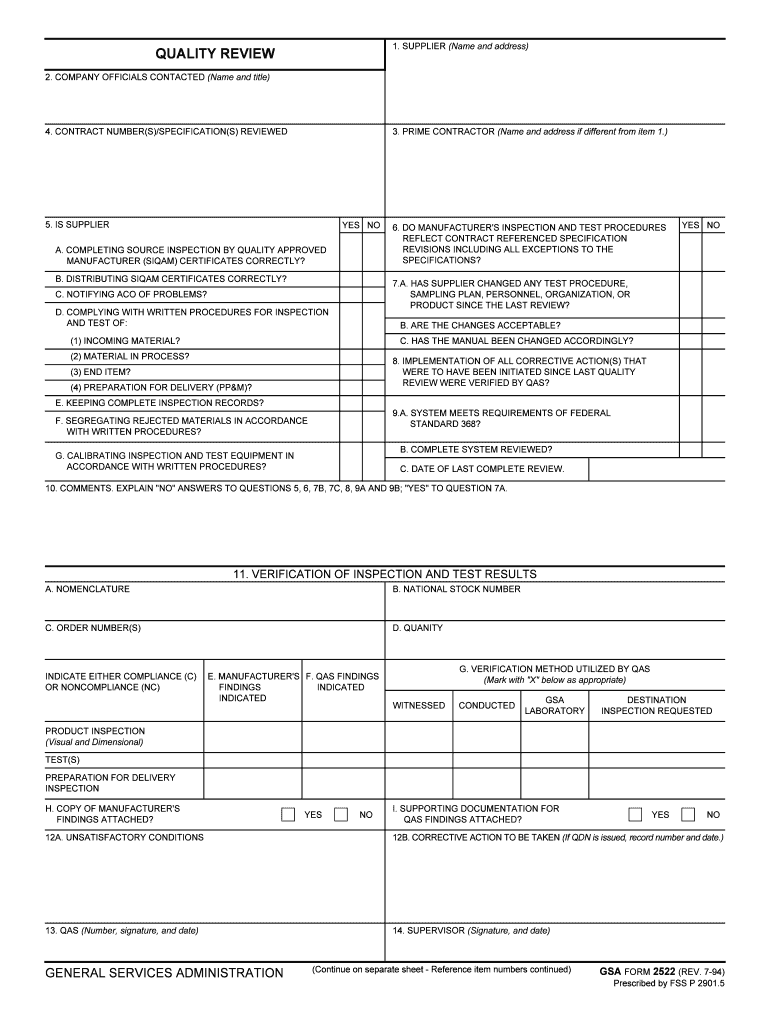
The "SUPPLIER (Name and address)" form refers to a document used in business transactions and supplier management to capture essential contact information of a supplier. It typically includes fields for the supplier's legal name, physical address, email address, and phone number. The purpose of this document is to ensure accurate and up-to-date details are maintained for communication, invoicing, and compliance purposes.
Importance of Accurate Information
Maintaining precise supplier information is crucial for a seamless business operation. Correct details prevent communication mishaps and ensure that invoices and orders reach the appropriate contacts without delay. Moreover, having up-to-date supplier details supports compliance with contractual obligations and legal requirements, particularly in industries where supply chain transparency is mandated.
How to Use the SUPPLIER (Name and address)
Businesses use this form as part of their supplier onboarding and management processes. Here's how it is typically utilized:
- Initial Onboarding: Collect details from new suppliers to populate your internal database.
- Regular Updates: Periodically confirm and update supplier information to maintain accuracy.
- Verification: Cross-check form details against supplier provided documents to ensure consistency.
Storage and Accessibility
These forms are usually stored in digital databases or document management systems, allowing for easy access and updates. Ensure data protection protocols are in place to safeguard this sensitive information.
Steps to Complete the SUPPLIER (Name and address)
Completing this form involves several steps to ensure all necessary information is gathered accurately:
- Enter Supplier Name: Write the legal name as per registration documents.
- Provide Physical Address: Include street address, city, state, and ZIP code.
- Add Contact Details: Phone number and an official email address used for communication.
- Verification: Review entered data to ensure all fields are filled correctly.
Tips for Accuracy
- Use official documents to verify the information.
- Double-check contact numbers for recent changes.
- Involve the supplier in the final review for confirmation.
Who Typically Uses the SUPPLIER (Name and address)
The form is predominantly used by organizations involved in procurement and supply chain management. This includes:
- Purchasing Departments: For maintaining comprehensive records of official supplier partners.
- Finance Departments: To ensure invoices are addressed correctly and financial reports are accurate.
- Compliance Teams: For ensuring documentation meets regulatory standards and audits.

Example Industries
Industries such as manufacturing, retail, logistics, and construction often rely on these forms due to their extensive supplier networks.
Legal Use of the SUPPLIER (Name and address)
The form serves as a record that can be used in audits, legal disputes, or contract verifications. Businesses must handle these documents in accordance with privacy laws, ensuring data is protected and used solely for legitimate business purposes.
Data Protection Rules
- Implement security measures, including encryption for digital records.
- Regularly review access permissions to prevent unauthorized data usage.
- Discard outdated information responsibly following data retention policies.
Key Elements of the SUPPLIER (Name and address)
Certain components are standard across most versions of this form:
- Supplier Identification: Comprehensive details to identify the supplier uniquely.
- Contact Channels: Current and secondary contact points.
- Authorized Personnel Information: Contact details of key individuals responsible for managing the account.
Detailed Breakdown
- Address specifics, including suite or apartment numbers.
- Secondary contact for emergencies or after-hours queries.
State-Specific Rules for the SUPPLIER (Name and address)
While the fundamental structure remains consistent, some states may have additional requirements based on local law. It's important to consult state regulations or legal advisors to ensure compliance.
Common Variations
- Requirements for notarization or additional authentication.
- Additional fields for state-specific registrations or certifications.
Examples of Using the SUPPLIER (Name and address)
In practice, a wholesale company may use this form to update supplier details when there is a change in partnership terms. For instance, if a supplier relocates, a new SUPPLIER (Name and address) form will be completed and filed to reflect the change, ensuring no disruption in order communications or payments.
Practical Scenarios
- Adjusting for mergers or acquisitions affecting contact details.
- Handling relocations of key supplier facilities.