






Definition & Meaning
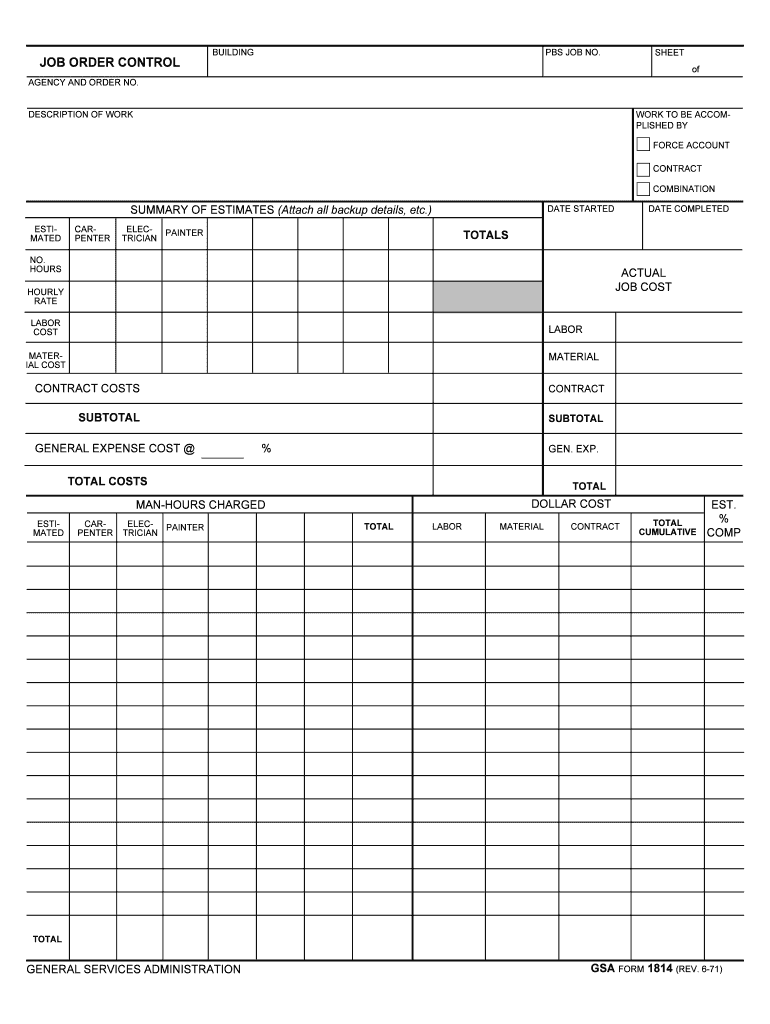
The Companion Resource for Contractor Force Account - Federal is a vital document used for managing and accounting for construction or maintenance projects executed on a force account basis. It serves as a detailed record of project-related expenses, including labor, materials, and equipment, which are directly charged to a specific job order. Force account work refers to construction tasks performed by a contractor using their own resources rather than subcontracting out, and this form helps in providing transparency and accountability for such expenditures.
Key Elements of the Companion Resource for Contractor Force Account - Federal
Understanding the essential components of this form is critical for accurate completion and effective tracking of project costs. The form typically includes:
-
Work Description: A detailed narrative of the construction or maintenance task to be performed.
-
Labor Hours: Sections for recording the number of hours worked by each labor category, such as skilled laborers or supervisors.
-
Material Costs: Tracking fields for listing materials used, their quantities, unit prices, and total costs.
-
Equipment Usage: Space to document utilization of machinery, along with rental or ownership costs.
-
Contract Costs and Overheads: Areas to calculate any subcontractor expenses and general overhead charges.
-
Total Project Costs: A summary section that aggregates all costs to provide a comprehensive total.
How to Use the Companion Resource for Contractor Force Account - Federal
Completing this form accurately involves several key steps. Here's a practical guide to using it effectively:
-
Project Identification: Clearly state the project name and reference number to ensure all expenses are linked to the correct job.
-
Detailing Costs: Carefully input labor, materials, and equipment costs into their respective sections, paying attention to unit conversions if necessary.
-
Approval Process: Once filled, the form should be reviewed and signed by a project manager or designated authority to ensure compliance.
-
Documentation and Storage: Keep a digital or physical copy of the completed form for future reference and audits.
Steps to Complete the Companion Resource for Contractor Force Account - Federal
For comprehensive coverage, follow these step-by-step instructions:
-
Gather Required Data: Before filling the form, compile information on labor hours, material receipts, and equipment logs.
-
Input Labor Information: Accurately record hours worked and calculate corresponding labor costs.
-
Record Material Usage: Enter details of all materials using original purchase documents to ensure precision.
-
Log Equipment Costs: Include rental agreements or ownership details to justify equipment expenses.
-
Summarize and Validate: Ensure all data is correctly totaled and cross-check for any errors or omissions.
Who Typically Uses the Companion Resource for Contractor Force Account - Federal
This form is primarily utilized by:
-
Project Managers: Overseeing construction or maintenance projects to ensure detailed expense tracking.
-
Accountants: Maintaining accurate financial records for force account work performed.
-
Government Agencies: Auditing project expenses and verifying compliance with federal funding requirements.


Legal Use of the Companion Resource for Contractor Force Account - Federal
The legal implications of this form extend to its use as a financial record in governmental audits. The accurate and honest completion of this document is critical to demonstrate compliance with federal regulations when federal funds are involved in the project. Non-compliance or inaccuracies can result in financial penalties or disqualification from future government contracts.
Penalties for Non-Compliance
Failure to accurately fill out and submit the form can lead to:
-
Financial Penalties: Incorrect reporting or fraudulent data can result in fines.
-
Audit Flags: Triggering additional scrutiny from federal auditing bodies, potentially leading to further investigations.
-
Contract Termination: In severe cases, the contract may be terminated, and the contractor disqualified from future federal contracts.
Software Compatibility
For digital management of the Companion Resource for Contractor Force Account - Federal, ensure compatibility with software solutions like QuickBooks or other project management platforms. This can enhance efficiency in managing records and streamline data entry processes. Using compatible software also facilitates easier revisions and electronic submissions, aligning with modern project management practices.