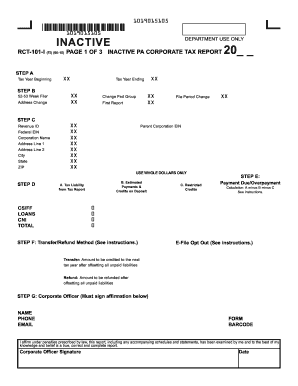
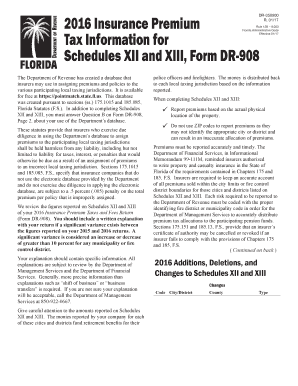
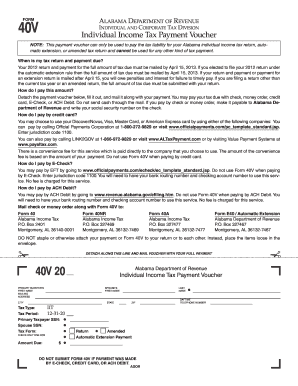
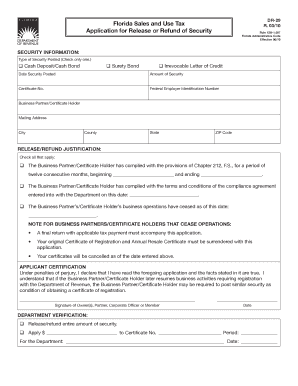
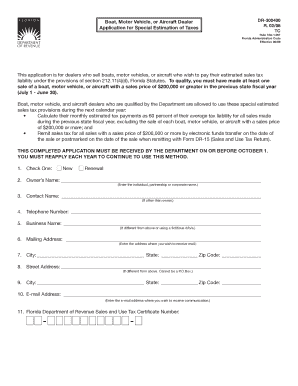
01. Edit your v10 form online
Type text, add images, blackout confidential details, add comments, highlights and more.


Type text, add images, blackout confidential details, add comments, highlights and more.

Draw your signature, type it, upload its image, or use your mobile device as a signature pad.

Send v10 vehicle tax form via email, link, or fax. You can also download it, export it or print it out.
The V10 form is primarily used for the process of applying for vehicle tax exemption or licensing when a Heavy Goods Vehicle (HGV) needs to be registered. This form is essential when the vehicle in question weighs over 3,500 kilograms. Its primary purpose is to officially request registration while ensuring compliance with legal and regulatory standards specific to heavy vehicle operation. The V10 form facilitates clear communication of necessary data such as ownership details and vehicle specifications, which are vital for legal documentation and operational compliance.
In order to effectively utilize the V10 form, begin by gathering all necessary information about the vehicle and its owner. The form requires specific details such as the vehicle identification number (VIN), make and model, and weight specifications. Once you have all required data, carefully input this information into the appropriate fields on the form. Ensure accuracy to prevent delays. After completing the form, review for completeness and submit it through the designated channels—whether online, by mail, or in person—depending on your jurisdiction's requirements.
Gather Required Information: Collect data on the vehicle and owner, including VIN, weight, and contact information.
Input Details Accurately: Enter the information on the form as requested. Ensure proper accuracy to avoid processing delays.
Review for Completeness: Check that all sections are filled out and every necessary detail is correct.
Submit the Form: Depending on your location, follow submission protocols which may include mailing, online submission, or in-person delivery.
The V10 form can be secured through various channels. Generally, it is available on governmental transportation websites or can be requested from local vehicle registration offices. In some states or regions, you may also access it through authorized third-party service providers who facilitate vehicle documentation processes. When sourcing the form online, ensure you are using a secure and official site to avoid any fraudulent activities and to ensure compliance with legal conventions.
The V10 form includes several critical sections that gather pertinent information for vehicle registration. These typically encompass:
When completing the V10 form, adhering to legal standards is crucial. This document often requires the applicant to affirm, under penalty of perjury, that all provided information is accurate. Non-compliance or falsification can result in penalties including fines or legal action. It's also important to be aware of the privacy policies and regulations concerning the sharing and storage of personal data provided on this form.
Submitting the V10 form requires several accompanying documents to verify the application. Commonly required items include:
Ensure all documentation aligns with the specific requirements laid out by the local registration authority to prevent delays or rejection of your application.
Consider a logistics company that needs to register a fleet of heavy goods vehicles. This company would utilize the V10 form to apply for the necessary licenses that allow these vehicles to operate legally on the road. Each vehicle in the fleet must be documented accurately, with all related forms completed in detail, ensuring compliance with local transport laws. The process of registering each vehicle provides a clear example of how critical the V10 form is in facilitating lawful and efficient transportation business operations.
Different regions might feature variations to the V10 form to accommodate local regulations on vehicle licensing. Alternatives might include other specific forms devised for unique classifications of heavy vehicles or special circumstances, like agricultural exemptions. Understanding these alternatives, and knowing when they apply, is vital for businesses to ensure they adhere to all relevant legislation and to maintain operational coherence.
Each U.S. state may apply its own set of regulations regarding the use and submission of the V10 form. It is important for applicants to familiarize themselves with specific regional guidelines that may affect the process, like certain state taxes or additional environmental compliance requirements. This ensures that heavy goods vehicle registration is not only efficient but also fully compliant with state-specific legal mandates, thereby avoiding potential operational disruptions.
We've got more versions of the v10 form form. Select the right v10 form version from the list and start editing it straight away!
| Versions | Form popularity | Fillable & printable |
|---|---|---|
| 2009 | 4 Satisfied (58 Votes) |
At DocHub, your data security is our priority. We follow HIPAA, SOC2, GDPR, and other standards, so you can work on your documents with confidence.