






Definition and Meaning
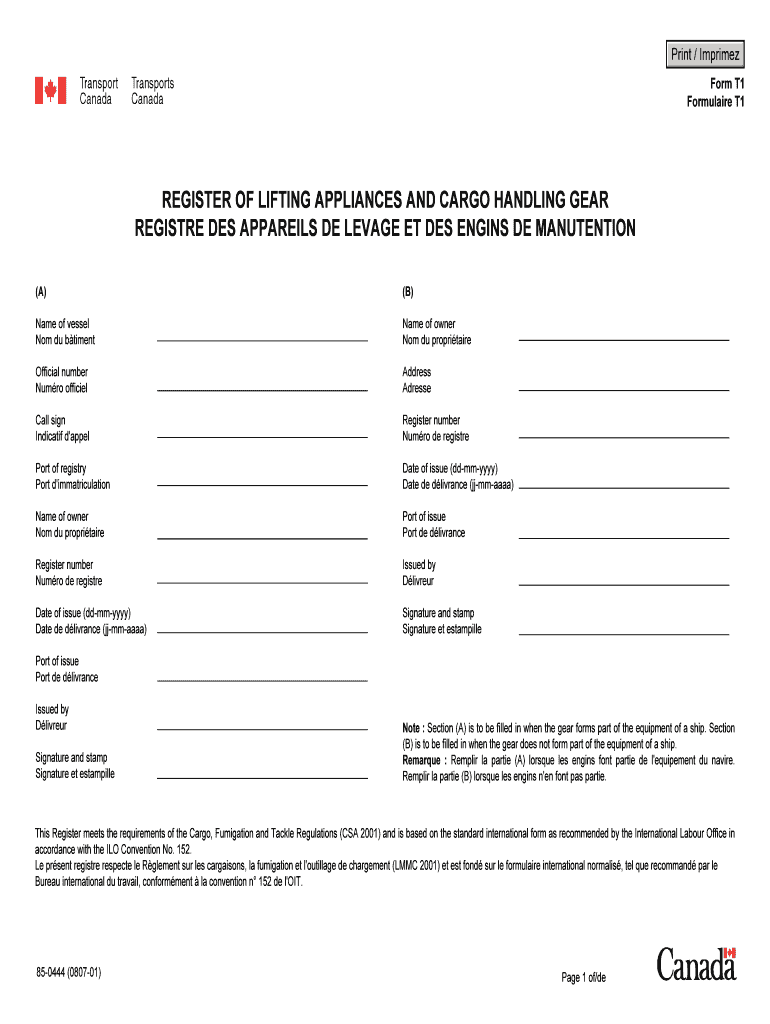
The Register of Lifting Appliances and Cargo Handling Gear is a comprehensive document that records the essential details and compliance status of equipment used for lifting operations and cargo handling. This register ensures adherence to safety and operational standards as outlined in regulations such as the Cargo, Fumigation and Tackle Regulations (CSA 2001) and the International Labour Organization (ILO) Convention No. 152. It includes information on the certification, examination, and inspection of lifting appliances to maintain safety and efficiency in maritime and industrial operations.
- Compliance Assurance: The register helps maintain compliance with international and national safety standards.
- Safety Recording: It serves as a record-keeping tool for the safe operation of lifting gear used in vessel operations.
- Regulatory Framework: Aligns with key regulatory requirements from relevant international agreements.
How to Use the Register of Lifting Appliances and Cargo Handling Gear
Using the register effectively involves multiple steps to ensure accurate and consistent documentation of lifting appliances.
- Initial Equipment Entry: Document the basic specifications and identification of each lifting appliance and gear component.
- Certification Documentation: Use the register to log certification details, including dates and certifying entities.
- Inspection Records: Regularly update the register with inspection results and any maintenance activities.
- Examination Logging: Record periodic examinations conducted by accredited professionals, noting any defects or required repairs.
- Owner and Vessel Information: Include comprehensive vessel and owner details for full traceability.
Steps to Complete the Register of Lifting Appliances and Cargo Handling Gear
Completing the register requires a methodical approach to ensure no critical information is overlooked.
- Gather Necessary Documentation: Collect all relevant certificates, previous inspection reports, and equipment manuals.
- Identify Equipment: Clearly identify each piece of equipment with unique identifiers.
- Record Certification Details: Note down the certification authority, date, and validity.
- Conduct and Record Inspections: Regularly inspect and record the condition and functionality of each appliance.
- Log Periodic Examinations: Capture the details of each examination by competent authorities or certified inspectors.
- Update Owner and Vessel Information: Ensure all ownership and vessel information is current and correctly logged.
Key Elements of the Register of Lifting Appliances and Cargo Handling Gear
Understanding the critical components of the register ensures effective documentation.
- Equipment Identification: Include serial numbers, model types, and descriptive information.
- Certification Records: Comprehensive details of all certifications and periodic re-certifications.
- Inspection Protocols: Documented inspections with a checklist of inspected items and outcomes.
- Examination Logs: Regular entries of each formal examination, including results and professional feedback.
- Owner and Vessel Data: Detailed information about the owning entity and the vessel, including registration numbers and contact information.
Why You Should Use the Register of Lifting Appliances and Cargo Handling Gear
Utilizing the register is crucial for several reasons:
- Safety Compliance: Ensure adherence to safety regulations, reducing the risk of accidents.
- Operational Efficiency: By maintaining detailed records, operators can identify and rectify issues swiftly.
- Legal Protection: Provides a documented trail that can be useful in legal disputes or audits.
- Asset Management: Helps in tracking equipment usage and scheduling maintenance effectively.
Important Terms Related to the Register of Lifting Appliances and Cargo Handling Gear
Familiarity with key terms aids in better using the register.
- Certification: Official recognition that a lifting appliance meets safety standards.
- Inspection: Regular checks to ensure equipment is in safe working condition.
- Examination: In-depth assessment performed by a certified professional.
- Compliance: Adherence to set standards and regulations.
- Audit Trail: A record of detailed entries and modifications within the register.
Legal Use of the Register of Lifting Appliances and Cargo Handling Gear
The register is not only a management tool but also a legal document:
- Regulatory Compliance: Required by law to maintain safety records for industrial and maritime operations.
- Evidence in Disputes: Can serve as evidence in case of legal challenges related to equipment failure.
- Standard Verification: Provides documentation of meeting safety and operational standards.
Who Typically Uses the Register of Lifting Appliances and Cargo Handling Gear
This register is an essential tool for various stakeholders:
- Shipowners and Operators: To ensure all lifting gear complies with safety regulations.
- Industrial Facility Managers: For managing lifting operations within factory settings.
- Safety Inspectors: To verify compliance and recommend necessary actions.
- Regulatory Authorities: As part of audits and inspections to ensure public and occupational safety.
- Maintenance Engineers: To keep track of equipment maintenance cycles and requirements.