01. Edit your form online
Type text, add images, blackout confidential details, add comments, highlights and more.

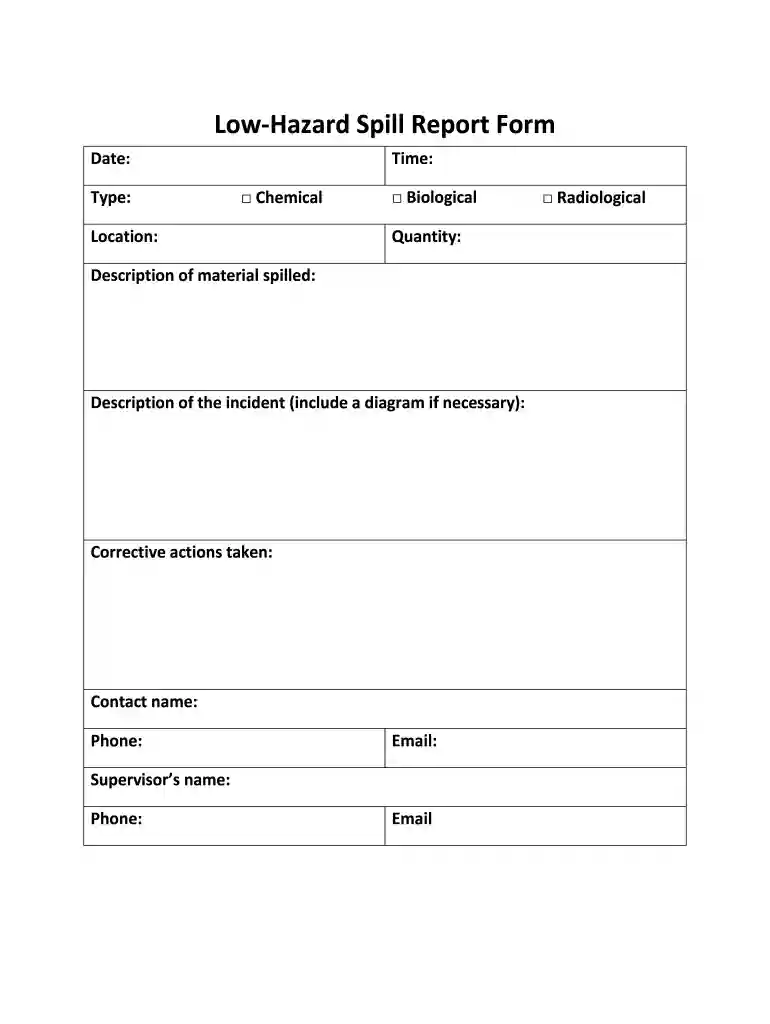
Type text, add images, blackout confidential details, add comments, highlights and more.

Draw your signature, type it, upload its image, or use your mobile device as a signature pad.

Send it via email, link, or fax. You can also download it, export it or print it out.
The Safety Orientation Handbook at Memorial University serves as a comprehensive guide to help individuals understand critical safety protocols and regulations applicable to the university environment. It acts as a manual for disseminating information on how to maintain a secure, hazard-free setting within the campus. By presenting standardized procedures and guidelines, the handbook equips employees, students, and visitors with the knowledge required to manage and mitigate potential risks effectively.
To maximize the benefits of the Safety Orientation Handbook, users must engage with its content thoroughly. Start by studying sections that are relevant to your specific role or activity. Key elements include step-by-step instructions for handling hazardous materials, emergency evacuation procedures, and detailed flowcharts directing the appropriate responses to different safety scenarios. Regularly updating yourself with new procedures or policy changes is also crucial to ensure that your actions align with current regulations.
The Safety Orientation Handbook is readily accessible to all individuals associated with Memorial University. It can be obtained through several channels, including the university's official website, where it is available for download in digital format. Additionally, physical copies can be requested from the university's safety office or department heads. An option to access the handbook via university intranet ensures that staff and students can reach it conveniently on devices connected to the campus network.
Completion of the Safety Orientation Handbook involves a series of steps to ensure full understanding and compliance with safety procedures. Initially, users must read through all sections applicable to their responsibilities. This is followed by verifying comprehension through quizzes or interactive modules, if available. Finally, certification or acknowledgment forms, which confirm the completion of the handbook and understanding of the material, must be signed and submitted to the relevant department for record-keeping.
The Safety Orientation Handbook is an essential tool for fostering a culture of safety within the university community. Using it reduces the incidence of accidents and ensures a shared understanding of safety practices among staff and students. Adhering to the guidelines can significantly diminish health risks and liabilities associated with campus activities, providing a safer environment conducive to academic and professional development.
The primary users of the Safety Orientation Handbook are university employees, including faculty, administrative staff, and maintenance personnel, who are required to adhere to safety protocols in their specific areas of work. Additionally, students participating in laboratory courses or extracurricular activities, along with contractors and visitors engaged in on-campus projects, also find the handbook immensely beneficial for navigating the safety expectations of the university.


Several key elements constitute the Safety Orientation Handbook, each crucial for comprehensive safety education. They include:
The handbook provides a legal framework that helps ensure compliance with occupational safety and health regulations within the academic environment. It embodies the university's commitment to legal standards by instructing staff and students on how to align their actions with prevailing safety laws. The handbook also acts as a reference during audits or investigations, serving as documented evidence of the university's proactive safety measures.
The digital version of the Safety Orientation Handbook is compatible with various software platforms, ensuring broad accessibility. Users can view it on PDF readers, such as Adobe Acrobat, on both desktop and mobile devices. Additionally, leveraging cloud storage platforms like Google Drive or OneDrive enables seamless integration and accessibility from any location, enhancing convenience and user engagement.
While the Safety Orientation Handbook focuses on Memorial University, it also considers state-specific safety regulations pertinent to its location. This ensures that all safety practices not only meet university standards but also comply with the broader legal context governed by state and federal regulations. Continuous updates ensure alignment with the latest legal changes, thereby fortifying the university's safety posture.
We've got more versions of the Safety Orientation Handbook - Memorial University form. Select the right Safety Orientation Handbook - Memorial University version from the list and start editing it straight away!
| Versions | Form popularity | Fillable & printable |
|---|---|---|
| 2014 | 4.1 Satisfied (35 Votes) |
At DocHub, your data security is our priority. We follow HIPAA, SOC2, GDPR, and other standards, so you can work on your documents with confidence.