





Definition and Meaning of Online Forms
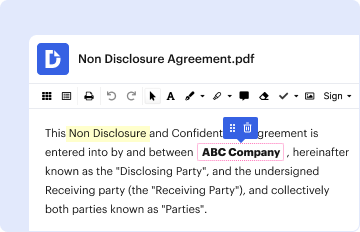
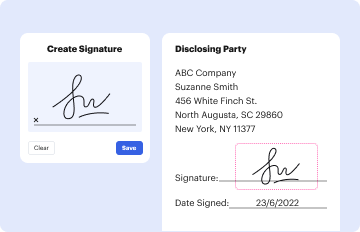
Online forms are digital documents that streamline data collection, processing, and interactions across various digital platforms. Unlike traditional paper forms, online versions allow users to fill out, submit, and manage data via the internet, offering greater convenience and efficiency. This digital transition has facilitated improved accessibility and speed, making it integral to numerous industries, including healthcare, education, and business. Online forms often encompass various fields, such as text boxes, dropdown lists, and signature fields, to cater to specific data requirements and ensure comprehensive data capture.
Practical Applications of Online Forms
Online forms are used in various real-world scenarios, enhancing processes such as registration for events, collection of customer feedback, and processing of applications. For instance, businesses frequently utilize forms to gather customer information and preferences, while educational institutions use them to handle student enrollments efficiently. The service sector also benefits by employing online forms for appointment scheduling and service requests, demonstrating their versatility across multiple fields.
How to Use the Form Online
Utilizing an online form requires understanding its structure and purpose. Users typically begin by accessing the form via a link or website, where they can enter their information directly into designated fields. Each form is designed to guide the user through the process; ensuring necessary data is collected accurately and efficiently. Users can review their entries before submission, with an option to save or print a copy of the completed form for future reference.
Steps for Efficient Form Completion
- Access the Form: Locate and open the form on the website or application where it is hosted.
- Review Instructions: Read any provided guidelines carefully to ensure accurate completion.
- Enter Information: Fill in all required fields with current and correct data.
- Check for Errors: Review each entry to confirm there are no mistakes.
- Submit the Form: Follow the submission instructions, which may include uploading additional documents or confirming your email address.
- Save a Copy: If applicable, download and save a copy of the completed form for your records.
How to Obtain the Form Online
To access forms online, users typically navigate to the website or digital platform where the form is hosted. Some forms may require users to create an account or authenticate their identity before access is granted. Once logged in, users can download or interact with forms directly on the platform.
Common Platforms for Obtaining Forms
- Official Government Websites: These often provide access to a wide range of forms for tax, legal, and civic purposes.
- Business Websites: Companies offer forms for job applications, feedback, and service requests directly from their websites.
- Online Portals: Educational, health, and professional services portals host forms specific to their functions.
Important Terms Related to Online Forms
Understanding key terminology associated with online forms is essential for effective use:
- Form Fields: These are individual sections of the form where users input their data.
- Interactive Elements: Features such as dropdown menus and checkboxes that facilitate user interaction.
- Validation Checks: Automated procedures that ensure input data conforms to required formats before submission.
- Submission Confirmation: Acknowledgment message or email received after successfully submitting a form.
Legal Use of the Form Online
Electronic records, including online forms, hold legal standing if they comply with established regulations such as the ESIGN Act. This act validates electronic signatures and records, ensuring they are as credible as their paper counterparts. Online forms must provide clear consent and disclosure agreements to users, reinforcing their legal integrity.
Key Legal Considerations
- Authentication: Verify the identity of parties involved through reliable authentication methods.
- Record-Keeping: Maintain digital records securely to meet legal and compliance requirements.
- User Consent: Ensure users agree to terms and conditions, often via a clickwrap agreement before submission.
State-Specific Rules for Online Forms
While many forms are standardized, state-specific regulations may alter how forms are filled out or submitted. Variations in tax forms, for example, often arise from differing local tax laws and filing requirements. Understanding and strictly adhering to these state-specific distinctions is crucial for compliance and accurate reporting.
Examples of Variations
- Tax Returns: Different deductions or credits may be applicable based on the state.
- Business License Applications: Requirements for documentation and fees can vary.
Key Elements of Online Forms
Critical aspects of online forms include their design for user-friendliness and comprehensive data collection:
- User Interface: Intuitive and navigation-friendly design that minimizes errors.
- Security Measures: Ensures user data is protected from unauthorized access.
- Form Fields: Properly defined fields that align with the data collection goals.
Elements to Enhance User Experience
- Progress Indicators: Inform users of their progress, reducing form abandonment rates.
- Data Validation: Prevents errors by checking user input in real-time.
Software Compatibility for Online Forms
Online forms often require compatibility with software like Google Workspace, ensuring fluid integration with users' work environments. Platforms such as TurboTax or QuickBooks might integrate online forms to facilitate data imports and exports seamlessly.
Benefits of Software Integration
- Streamlined Processes: Automate data entry and retrieval processes, saving time.
- Accuracy and Consistency: Reduces the likelihood of errors through direct software integration.
- Enhanced Collaboration: Enables multiple users to interact with and edit the form data in real-time.
By leveraging these digital tools, users can significantly optimize their form management workflows and ensure compliance with all necessary legal and procedural requirements.