
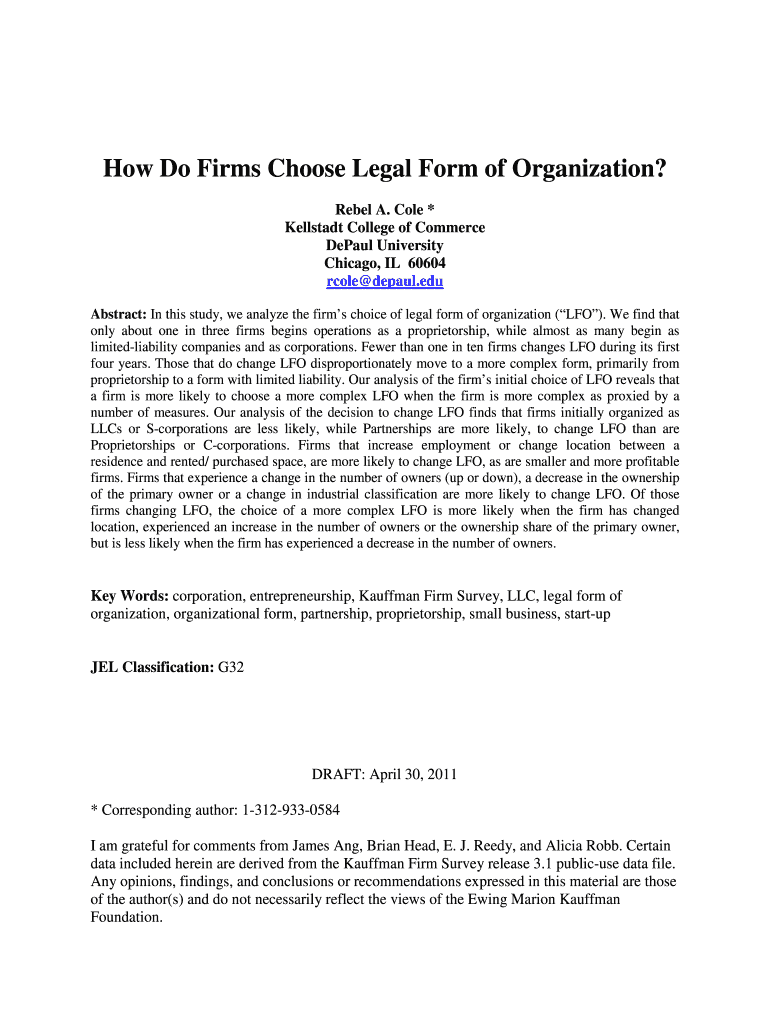







Understanding the Legal Form of Organization
When discussing the legal form of organization, it generally refers to the various structures that businesses can adopt. These structures determine how a business is taxed, its legal responsibilities, and its ability to raise capital.
Common Legal Structures
- Sole Proprietorship: Simplest form, owned by one person.
- Partnership: Owned by two or more, sharing profits and liabilities.
- Corporation: Separate legal entity, offering limited liability to owners.
- Limited Liability Company (LLC): Combines elements of partnerships and corporations.
- S Corporation: Allows income to pass through to shareholders to avoid double taxation.
Key Factors Influencing Choice
Deciding on a legal form of organization involves several considerations:
- Liability Exposure: Corporations and LLCs offer personal liability protection.
- Taxation: Sole proprietorships and partnerships have pass-through taxation, while corporations can face double taxation.
- Capital Needs: Corporations can raise funds more easily through the sale of stock.
- Complexity and Cost: Sole proprietorships are less costly and simpler to establish and maintain.
Additional Considerations
- Management and Control: Corporations require a board of directors, while sole proprietorships offer complete control to the owner.
- Transferability of Ownership: Corporations and LLCs often have easier processes for transferring ownership.
Steps to Complete the Form
Firms need to take specific steps when choosing a legal form of organization:
- Identify Business Goals: Consider long-term objectives and growth plans.
- Evaluate Financial Situation: Assess the financial implications of each legal form.
- Consult Legal and Financial Advisors: Obtain professional advice for informed decision-making.
- State Registration: File necessary documentation with the state of incorporation.
Business Entity Types
Understanding the different business entity types is critical:
LLCs and Their Advantages
- Flexibility: LLCs offer operational flexibility and limited liability.
- Tax Benefits: Potential for avoiding double taxation.
Corporations
- Investment Appeal: More appealing to investors due to structure and potential for public trading.
- Perpetual Existence: Continues to exist beyond the lifespan of its founders.
Compliance and Legal Use
Ensuring compliance with legal requirements is essential:
- State Regulations: Each state imposes unique rules and fees for business registration.
- Federal Tax Obligations: Entities must adhere to IRS guidelines, varying by business type.
Important Documents
- Articles of Incorporation or Organization: Required for corporations and LLCs.
- Operating Agreements: Establishes operational procedures and member responsibilities in an LLC.
Examples of Firm Choices
Small Businesses
Many small businesses start as sole proprietorships due to ease of setup and management.
Tech Startups
Often choose LLC or Corporation to attract investors and protect intellectual property.
Family-Owned Businesses
May opt for an S Corporation to benefit from pass-through taxation and limited liability.
IRS Guidelines and Important Dates
Complying with IRS guidelines can prevent penalties and ensure smooth operations.
Filing Considerations
- Fiscal Year Decisions: Choose between a calendar year or fiscal year for financial reporting.
- Estimated Tax Payments: Businesses may need to make quarterly estimated tax payments.
Regional Differences and State-Specific Rules
Understanding state-specific rules ensures compliance and optimal business operations:
- Formation Fees and Requirements: Vary significantly by state.
- Annual Reporting and Renewal: Neglecting these can result in fines or dissolution.
Who Typically Uses Different Legal Forms
Entrepreneurs and Small Business Owners
Prefer sole proprietorship or LLC for simplicity and control.
Established and Large Enterprises
Favour Corporations for sustainability and scalability.
By considering these diverse aspects, firms can more effectively choose a legal form of organization that aligns with their strategic and operational goals.




