






Understanding the Purpose of "This is a Sample Paper Made Available by Courtesy Please Do Not"
This document plays a critical role in various professional settings where sample documents are shared for reference or educational purposes. Its primary intention is to serve as a controlled example, often used to train or inform without allowing direct replication.
Key Elements and Structure
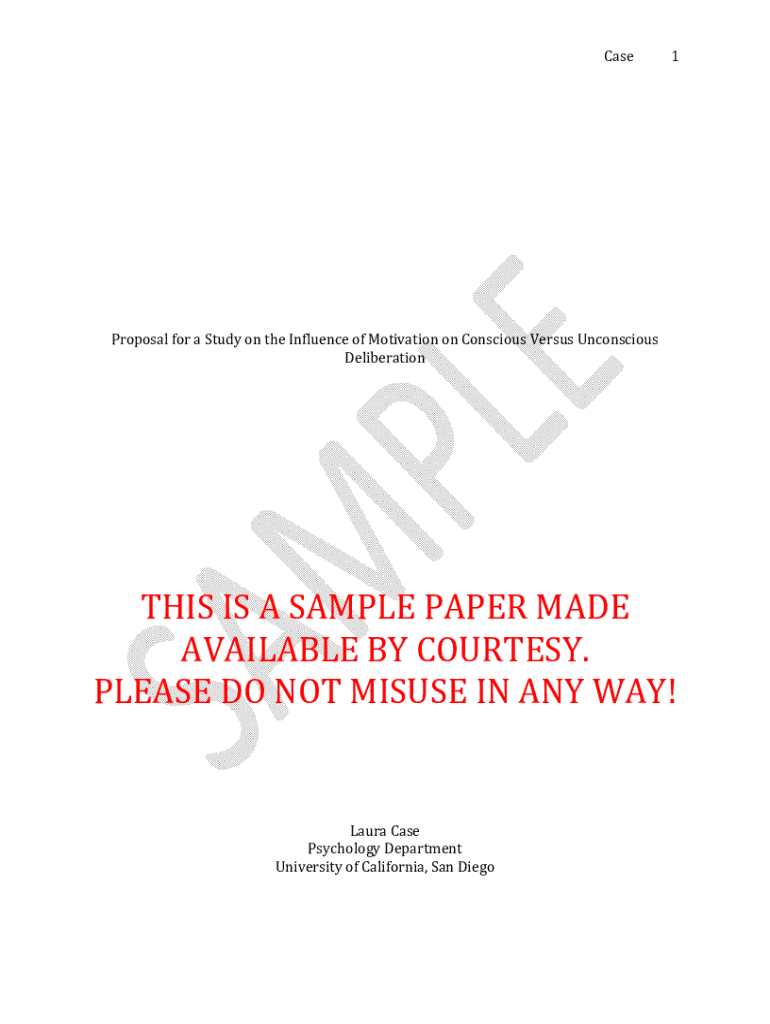
The phrase "this is a sample paper made available by courtesy please do not" is typically associated with documents used in training or educational environments, implying that the document is provided for illustrative purposes only.
- Introductory Section: Often includes a brief overview of the document's purpose and any disclaimers emphasizing its status as a sample.
- Content Layout: Mirrors the structure of the real document but often omits or alters key details to prevent misuse.
- Footer Notes: Usually contains repeated reminders about the document's sample nature.
Guidelines for Legal and Ethical Use
The use of such sample papers must align with legal and ethical standards to prevent infringement or unauthorized distribution.
Legal Considerations
- Copyright Notice: Always check for any copyright statements that restrict copying or distribution of the sample document.
- Usage Terms: Follow any terms of service or user agreements that accompany the document, specifying how it may be used or shared.
Ethical Practices
- Avoid Plagiarism: Ensure that when drawing information from the sample, any content that is used is appropriately credited or referenced.
- Respect Usage Limitations: Adhere to any imposed restrictions, such as non-commercial use only.
Steps to Utilize the Document Properly
Effectively integrating such a sample paper into your workflow involves several steps to ensure it is both useful and compliant.
- Initial Review: Carefully read the entire document to understand its scope and limitations.
- Highlight Key Sections: Identify parts that are particularly relevant to your needs, such as methodologies or formatting.
- Adapt and Customize: Modify content where necessary to suit specific requirements but do not replicate verbatim without permission.
- Consult Legal Advisors: If in doubt, seek legal advice to ensure compliance with usage rights.
Who Utilizes These Sample Papers?
Different industries and sectors can benefit from such documents, especially in educational or research contexts.
Primary User Groups
- Educational Institutions: For coursework or training on document structure and content creation.
- Research Organizations: To simulate real-world scenarios without disclosing sensitive data.
- Corporate Training: As part of training modules to illustrate best practices in document management.
Considerations for Digital vs. Paper Formats
Choosing the right format can enhance accessibility and usability.
Digital Format Advantages
- Ease of Sharing: Enables easy distribution via email or collaborative platforms like DocHub.
- Editing Capability: Allows for on-the-fly adjustments using editing software.
Paper Format Considerations
- Tangibility: Useful in environments where physical interaction with documents is beneficial.
- Static Records: Ideal for archive purposes where digital degradation might be a concern.
Scenarios for Business Use
Understanding the context in which such papers are most beneficial can optimize their utility.
Common Business Settings
- Proposal Drafting: Samples help in preparing business proposals by serving as a content or formatting guide.
- Employee Training: Illustrative examples for training modules or workshops.
- Policy Development: Use as templates to draft policy documents within organizational frameworks.
Important Terminology and Definitions
Having a clear understanding of specific terms related to these documents aids in their effective use.
Key Terms
- Sample Paper: A non-final draft used for reference, not official use.
- Courtesy Copy: A document supplied for informational purposes, not intended for legal or public disclosure.
- Reference Document: A guide to assist with creating or finalizing other documents based on its format or structure.
Software Compatibility and Integration
For digital documents, understanding compatibility with software can enhance functionality.
Popular Software
- Document Editing Platforms: Tools like DocHub, Adobe Acrobat, and Google Docs allow for easy electronic manipulation of sample papers.
- Workflow Integration: Compatibility with business management software such as QuickBooks or TurboTax can support enhanced data handling.
By exploring these areas deeply, this content provides comprehensive insights into the usage, management, and ethical considerations of sample documents clearly articulated in the context of "this is a sample paper made available by courtesy please do not."