




Definition & Meaning
The "Indus Psych PoliciesOffice of Extended Studies" is presumably a specialized form intended for specific administrative or academic purposes. Without explicit description, it may be associated with administrative functions within an educational or psychological context, potentially linked to policy changes or extended study guidelines. This document likely outlines steps, requirements, or permissions necessary for processing certain requests within these frameworks.
Key Features
- Specific Context: Often used in educational or psychological institutions to manage changes to policies or study programs.
- Purposeful Structure: Format designed to address clear scenarios requiring detailed information and orderly submission.
How to Use the Indus Psych PoliciesOffice of Extended Studies
Step-by-Step Utilization Process
- Acquire the Form: Obtain from the issuing department, often available on institutional websites or through administrative offices.
- Understand Requirements: Read through the document carefully to comprehend all the stipulations and necessary data inputs.
- Complete Relevant Sections: Fill in required fields with accurate information, following any jurisdiction-specific guidelines or instructions provided.
- Attach Supporting Documentation: Include any required supporting materials, such as justifications or external evaluations, to substantiate the claims made within the form.
- Review and Submit: Ensure the form is complete, sign where necessary, and follow submission instructions carefully.
Practical Considerations
- Institution-Specific Instructions: Verify if the issuance institution provides specific guidelines or examples to facilitate completion.
- Feedback Loops: Look for sections within the form designated for peer or administrative feedback, which may need to be completed before final submission.
Why Use the Indus Psych PoliciesOffice of Extended Studies
Benefits and Utility
- Official Documentation: Essential for ensuring adherence to protocol in relevant educational or psychological domains.
- Structured Communication: Facilitates formal communication between parties, ensuring clarity and proper documentation.
Limitations
- Potential Complexity: Depending on its intended purpose, some users may find the form complex; often designed with comprehensive specifications.
Key Elements of the Indus Psych PoliciesOffice of Extended Studies
Main Components
- Personal Information: Often includes fields for the applicant's details, such as name, position, or identification number.
- Policy or Study Details: Sections requiring a detailed explanation of the request, including descriptions or rationale.
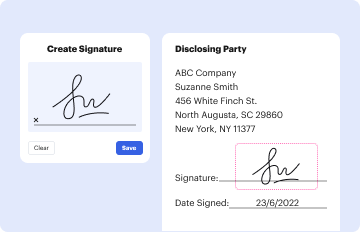
- Signatory Requirements: Specific areas allocated for signatures and authorizations from relevant authorities.
Supporting Documentation
- Attachments: Typically necessitates the attachment of additional materials that justify or support the request outlined in the form.
Steps to Complete the Indus Psych PoliciesOffice of Extended Studies
Detailed Completion Guide
- Identification: Begin with entering personal and identifying information.
- Clarification of Purpose: Specify the nature of the request or change, providing comprehensive descriptions.
- Detailed Justification: Offer a clear rationale for the request, supported by any necessary documentation.
- Acquire Necessary Authorizations: Obtain the required signatures from designated authorities or advisors.
Important Terms Related to Indus Psych PoliciesOffice of Extended Studies
Common Terminologies
- Policy Amendment: Refers to changes or adaptations to current procedures or regulations within the specified domain.
- Extended Studies: Typically involves academic programs or courses requiring additional time or alternative structures.
- Supporting Documentation: Encompasses all necessary additional materials required to substantiate form inputs.
Legal Use of the Indus Psych PoliciesOffice of Extended Studies
Compliance and Legality
- Interpretation of Regulations: Must reflect an understanding of legal requirements or institutional policies relevant to the content and submission of the form.
- Formal Approvals: Often requires official endorsements to be legally valid, necessitating compliance with particular institutional guidelines.
Eligibility Criteria for Indus Psych PoliciesOffice of Extended Studies

Determining Eligibility
- Relevant Stakeholders: Intended for use by those directly impacted or involved in the specified policy or extended study framework.
- Prerequisite Conditions: May stipulate certain conditions or prerequisites that need to be met before application, such as registration status or academic standing.
Subset Variations
- Different Versions or Alternatives: Depending on institutional requirements, related forms or alternatives might exist to address various scenarios or programmatic differences.