






Definition and Meaning
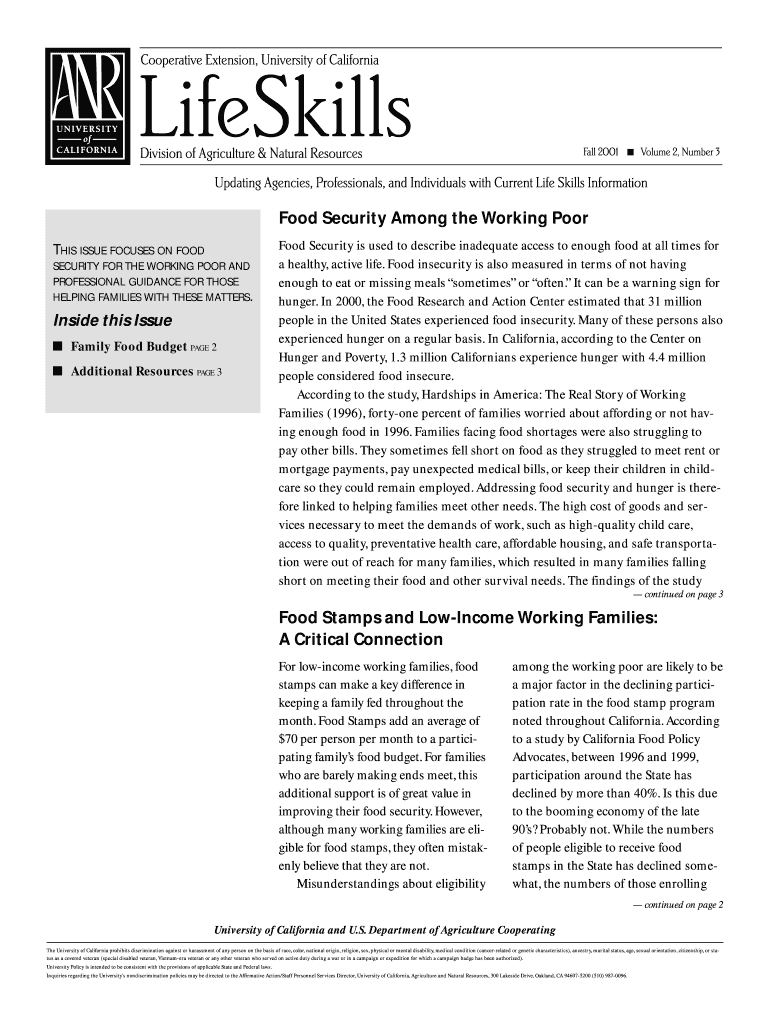
Food security among the working poor refers to the ability of low-income workers to consistently access sufficient, nutritious food necessary for a healthy life. Despite being employed, these individuals often face challenges due to economic constraints that limit their ability to secure stable food sources. This issue highlights the intersection of wage insufficiency, living costs, and nutrition, necessitating support from federal nutrition programs and community resources.
Eligibility Criteria for Food Assistance Programs
Eligibility for food assistance programs is crucial for addressing food security among the working poor. These programs often have income thresholds and other criteria that must be met. Common requirements include:
- Income Limits: Recipients must demonstrate income below a certain level, usually a percentage of the federal poverty line.
- Residency Requirements: Typically, participants need to be residents of the state where they are applying.
- Household Size and Composition: Larger families may qualify for more significant assistance.
- Employment Status: Some programs may evaluate the stability and hours of employment.
Understanding these criteria is essential for accessing the programs designed to reduce food insecurity among low-income working families.


Federal Nutrition Programs and Their Role
Federal nutrition programs play an instrumental role in supporting food security for the working poor. Programs such as the Supplemental Nutrition Assistance Program (SNAP) and the Special Supplemental Nutrition Program for Women, Infants, and Children (WIC) provide essential support:
- SNAP: Offers financial assistance to purchase food, helping low-income individuals afford a balanced diet.
- WIC: Provides nutritional education and food vouchers to pregnant women, new mothers, and young children.
These programs are crucial in alleviating hunger and improving nutrition, directly impacting the health and productivity of vulnerable populations.
Challenges Faced by the Working Poor in Accessing Food
Several barriers exacerbate food insecurity among the working poor. These include:
- Misconceptions About Eligibility: Many may be unaware they qualify for assistance due to misconceptions about eligibility criteria.
- Logistical Challenges: Issues such as transportation, accessing food distribution centers, and navigating complex application processes can prevent individuals from obtaining needed aid.
- Stigma and Social Perception: Concerns about being stigmatized can deter individuals from seeking help, even when eligible.
Addressing these challenges requires targeted community outreach and education to ensure that eligible individuals are aware of and can access the resources available to them.
How to Apply for Food Assistance
Applying for food assistance programs involves several steps:
- Determine Eligibility: Review the income, residency, and other criteria for the desired program.
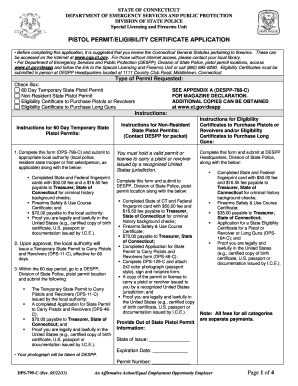
- Gather Necessary Documents: Collect required documentation, such as proof of income, identification, and residency.
- Complete Application Forms: Obtain and fill out the application forms, which may be available online or in-person.
- Submit the Application: Submit the completed application via the preferred method—online submission, mailing, or in-person drop-off.
- Follow Up: Engage with program administrators for any follow-up verifications or interviews if needed.
Successful completion of this process can help secure essential food resources for low-income working individuals and families.
Steps to Manage Food Budgets Effectively
Effective management of food budgets is crucial for the working poor to maintain food security. Here are some practical strategies:
- Create a Budget: Outline monthly expenses and prioritize food spending within the available budget.
- Plan Meals: Develop weekly meal plans to minimize waste and maximize nutritional value.
- Use Coupons and Discounts: Leverage discounts, loyalty programs, and coupons to reduce food costs.
- Buy in Bulk: Purchase non-perishable items in bulk to save money over time.
These steps can help families stretch their food budgets further, ensuring they can meet their nutritional needs consistently.
Impact of Food Insecurity on Health
Food insecurity has significant health implications for the working poor:
- Nutritional Deficiencies: Lack of access to healthy foods leads to deficiencies in essential vitamins and minerals, impacting growth and development.
- Chronic Health Conditions: Increased risk of obesity, diabetes, and cardiovascular diseases due to poor diet.
- Mental Health: Stress and anxiety due to food insecurity can exacerbate or lead to mental health issues.
Addressing food insecurity is critical not only for immediate nutritional needs but also for long-term health outcomes and overall well-being.
Community and Educational Resources
Communities and educational institutions have vital roles in supporting the food security of the working poor:
- Community Food Banks: Provide emergency food assistance and act as a stop-gap measure for those in need.
- Educational Workshops: Offer nutrition education and budgeting workshops to aid families in making informed food choices.
- School Programs: Implement school meal programs that ensure children receive balanced meals during the school day.
By leveraging these resources, communities can help mitigate the effects of food insecurity and support the health and stability of low-income working families.