





Definition and Meaning of Online Forms
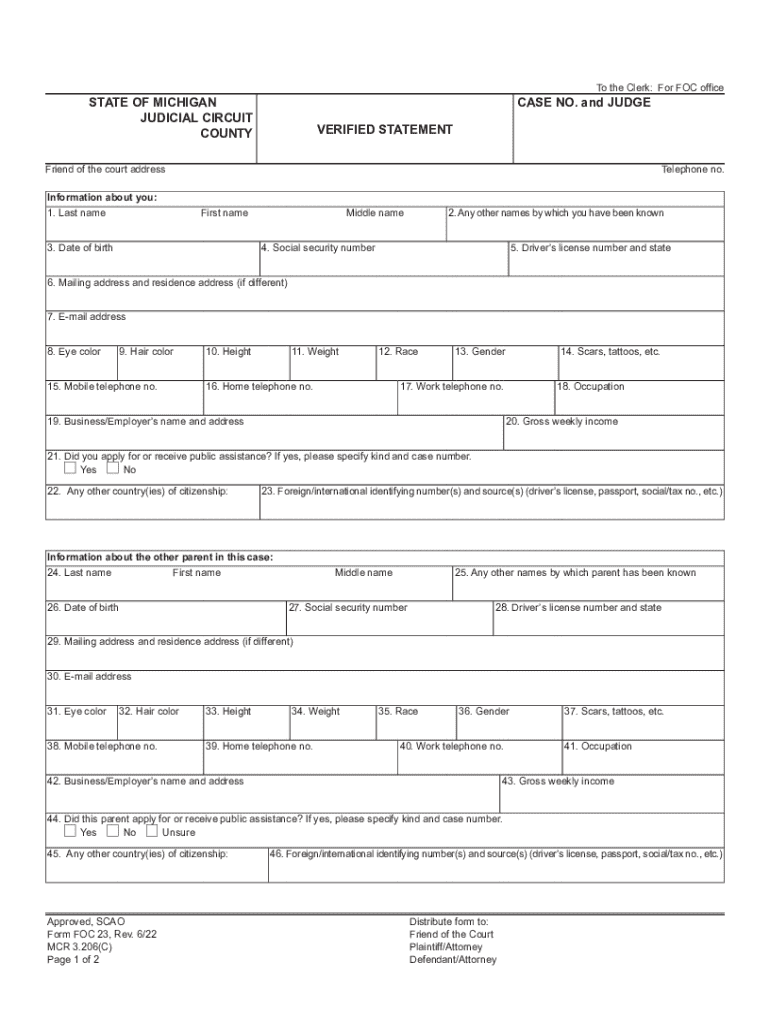
Online forms are digital versions of paper forms that allow users to enter, submit, and process information directly over the internet. These forms are commonly used for applications, registrations, surveys, and collecting various types of data without the need for physical paperwork. Historically, forms were largely paper-based, requiring manual distribution and collection. The transition to digital form solutions was driven by the demand for greater efficiency, cost-effectiveness, and real-time processing capabilities.
By leveraging online forms, users can benefit from increased accessibility and convenience. Whether used in business, education, or legal sectors, digital forms streamline operations by reducing physical paperwork and enhancing data accuracy through immediate validation. Online forms are a cornerstone of digital document management and are integrated into systems like DocHub to facilitate a smooth and seamless workflow.
Steps to Complete a Form Online
-
Accessing the Form: Locate the desired form on the platform. DocHub allows users to upload existing forms from cloud services or start with a blank template.
-
Filling Out Required Information: Fields may include text inputs, checkboxes, dropdowns, and date selectors. The platform highlights mandatory fields to ensure that all necessary information is provided before submission.
-
Verifying Data Entries: Review all entered data to check for completeness and accuracy. This includes reconfirming details like names, dates, and specific responses to avoid errors.
-
Adding Annotations: Utilize tools to add comments, highlight sections, or include images where needed. This is particularly useful for documents requiring collaborative input or historical context.
-
Saving and Reviewing the Form: Save drafts regularly to avoid data loss. Once all sections are filled and verified, review the completed form thoroughly before submission.
-
Submitting the Form: Follow the specified submission guidelines, which might include downloading a copy of the completed form or submitting it directly through the platform.
How to Obtain Forms Online
Forms can be obtained online through various public and private sector websites and document management platforms like DocHub. They are available for varying purposes, from legal affidavits to educational registrations. Here’s how to find and access these forms:
-
Official Government Websites: Many official forms can be downloaded directly from government portals. These sites provide accurate and up-to-date versions of standardized forms.
-
Document Management Platforms: Platforms like DocHub host a wide variety of forms. Users can search for specific forms by entering relevant keywords such as legal type or function.
-
Educational and Institutional Portals: Universities and educational institutions often provide forms through their websites or student portals, aiding in ease of access for student records and applications.
Key Elements of an Online Form
Online forms typically include several key components that facilitate data collection and processing:
-
Field Types: Common fields include text boxes, radio buttons, checklists, and dropdown menus. These elements are designed to capture specific types of data efficiently.
-
Validation Rules: Rules are set to guide users in providing information in the proper format, such as date formats or email address syntax.
-
Conditional Logic: Advanced forms incorporate conditional logic to dynamically display relevant fields based on user responses, enhancing user interaction and form efficiency.
-
Instructional Text: Each section may include brief instructions or tooltips to assist users in completing the form accurately, thereby reducing input errors and submission rejections.
Legal Use of Online Forms
In the U.S., certain legal guidelines govern the use of online forms, especially when they involve sensitive data or legally binding agreements. Here's what you need to know:
-
Compliance with ESIGN Act: The Electronic Signatures in Global and National Commerce Act gives legal validity to electronic signatures and documents, making online forms legally acceptable so long as they adhere to specific digital signature protocols.
-
Data Protection Regulations: Forms collecting personal data must comply with data protection laws. This includes ensuring platforms use encryption and secure handling of user data to safeguard privacy.
-
Accessibility Standards: Online forms must comply with the Americans with Disabilities Act (ADA), ensuring that forms are accessible to users with disabilities through supportive technologies such as screen readers.
State-Specific Rules for Online Forms
States may have unique requirements that influence the construction and submission of online forms. This includes variations in legal text, signature requirements, or protocol for submission.
-
Licensing and Applications: Forms related to licensing, such as driver's licenses or business permits, often have state-specific stipulations, requiring localized versions.
-
Tax Documentation: State tax forms may include unique fields or require information specific to that state’s tax regulations.
-
Local Health Guidelines: Public health forms or declarations can vary significantly depending on state health laws and mandates, reflecting regional public policy differences.
Software Compatibility for Online Forms
Online forms must be compatible with popular software systems to ensure broad usability and integration:
-
Document Management Systems: Compatibility with systems like DocHub enables users to manage, fill, and process forms seamlessly online, taking advantage of features like digital annotations and secure signatories.
-
Tax Preparation Software: Systems like TurboTax and QuickBooks often incorporate form integration to streamline tax-related documentation, aiding in efficient tax filing for individuals and businesses.
-
Cloud Storage Services: Many platforms allow form syncing with cloud services, facilitating easy access and storage. Integration with services like Google Drive or Dropbox enhances portability and convenience.
Penalties for Non-Compliance with Online Form Requirements
Failure to comply with online form requirements can result in several penalties, particularly when dealing with legal or government documentation:
-
Rejection of Submission: Incomplete or incorrectly filled forms can lead to submission rejections, requiring users to re-submit corrected versions.
-
Fines and Legal Consequences: Non-compliance with legal standards, such as improper disclosure of information or failure to provide required data, may lead to fines or legal action, emphasizing the necessity for precision.
-
Delayed Processing: Mistakes or omissions in forms can cause delays, impacting processing times and potentially leading to missed opportunities or deadlines.