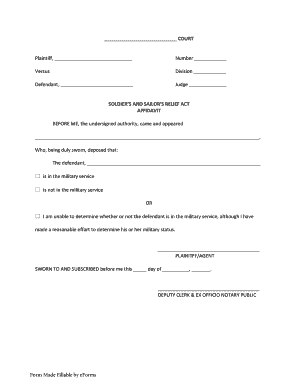
Definition and Meaning of Int 7th
The term "Int 7th" can refer to a form or procedure typically associated with a specific operational or financial context. In various settings, "Int" may denote "Interest," while "7th" could indicate a sequence, component, or version. Within tax or legal documentation, an Int 7th form might be used for tracking or reporting specific financial information. Understanding its definition within the concerned context is crucial for accurate application and compliance.
How to Use the Int 7th
Utilizing the Int 7th effectively involves several key steps, depending on its nature and purpose:
- Review the Instructions: Begin by thoroughly reading any instructions or guidelines accompanying the form to understand its proper use.
- Gather Required Information: Collect all pertinent information, such as financial records or personal data, necessary for completing the form accurately.
- Follow Step-by-Step Procedures: Fill out the form step-by-step, paying close attention to the required fields and sections.
- Sign and Certify: If the form requires signatures or certification, ensure these are completed according to the specified requirements.
How to Obtain the Int 7th
Acquiring the Int 7th might vary by jurisdiction or context:
- Download Online: Many forms are available for download from official government or organizational websites.
- Request from Authorities: Contact relevant authorities via phone or email to request the necessary form.
- Access Through Software: If applicable, certain software tools might offer integrated access to forms through their platforms.
Steps to Complete the Int 7th
Completing the Int 7th accurately involves the following steps:
- Collect Necessary Documents: Before you start, gather all documents required for the form.
- Read Instructions Carefully: Review the provided instructions to ensure complete understanding of each section.
- Complete Each Section: Systematically fill in each part of the form, leaving no required field blank.
- Review for Accuracy: Double-check all entries for accuracy to prevent submission errors.
- Submit the Form: Once completed, submit the form via the recommended method.
Who Typically Uses the Int 7th
Users of the Int 7th may include:
- Individuals: For personal use or financial reporting.
- Businesses: When reporting specific business operations or financial disclosures.
- Tax Professionals: To aid clients in fulfilling tax-related obligations.


Key Elements of the Int 7th
Key components often found in an Int 7th form include:
- Identification Information: Sections to input personal or business identification details.
- Financial Data: Areas designated for entering financial figures or computations.
- Disclosure Statements: Fields to declare specific information or disclosures as required by law.
Legal Use of the Int 7th
Legal considerations surrounding the use of the Int 7th may entail:
- Compliance with Regulations: Ensuring all use adheres to relevant laws and guidelines.
- Record Keeping: Maintaining copies of completed forms as part of legal and financial records.
- Timely Submission: Meeting designated deadlines for submission to avoid penalties.
Filing Deadlines and Important Dates
Understanding critical deadlines related to the Int 7th is vital:
- Annual or Periodic Deadlines: Based on jurisdiction or context, forms may need to be filed annually or at the end of specific reporting periods.
- Extensions and Exceptions: Be aware of any allowable extensions or exceptions that might apply.
Penalties for Non-Compliance
Failing to comply with requirements of the Int 7th can result in:
- Fines or Penalties: Financial penalties may be levied for late or incorrect filing.
- Legal Repercussions: Non-compliance might lead to additional legal action or scrutiny.
- Reputational Damage: Businesses could suffer reputational harm if requirements are not met.
Digital vs. Paper Version of the Int 7th
Choosing between digital and paper versions may include:
- Convenience: Digital versions are often easier to submit and store.
- Availability: Ensure access to a reliable digital platform or printed copies as required.
- Security: Consider data protection measures when using digital formats.
IRS Guidelines and Compliance
For tax-related forms like Int 7th:
- Adhere to IRS Guidelines: Follow instructions and guidelines provided by the IRS for accurate completion.
- Maintain Record Accuracy: Keeping detailed and accurate records is critical for compliance.
- Consult a Professional: When necessary, seek guidance from a tax professional to ensure proper handling.