





Definition and Meaning of "Form Online"
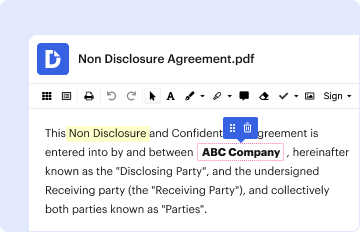
A "form online" refers to a digital document that can be completed, submitted, and processed over the internet. These forms often replace traditional paper forms, providing a more streamlined and efficient process for data collection. They can be used for a wide array of applications, including applications, registrations, surveys, and financial transactions. Online forms are accessible from any device with internet connectivity, offering convenience to users.
Benefits of Online Forms
- Accessibility: Available anytime and anywhere with internet access.
- Efficiency: Reduces time spent on manual data entry and processing.
- Accuracy: Minimizes errors common in handwritten submissions.
- Environmental Impact: Reduces paper usage and waste.
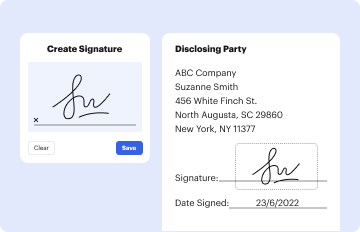
Online forms can contain various interactive elements, like text boxes, checkboxes, drop-down menus, and signature fields, making them versatile tools for capturing required information efficiently.
How to Use the Form Online
Using a "form online" typically involves several straightforward steps designed to ensure that all necessary information is provided accurately and completely.
- Access the Form: Typically, forms can be accessed via a web link sent through email or available on an organization's website.
- Complete the Required Fields: Enter information into the designated fields. Mandatory fields are usually marked with an asterisk.
- Review the Information: Ensure all details are correct before submission. This step helps avoid errors that can result in processing delays.
- Submit the Form: Follow the instructions to submit the form. Confirmation of submission is often provided through a follow-up email or on-screen notification.
- Save or Print a Copy: Once submitted, it's advisable to save or print a copy of the completed form for your records.
Steps to Complete the Form Online
Completing an online form effectively requires careful attention to each part of the form. Here's a detailed guide on accomplishing that:
- Navigate to the Form: Visit the specified web address and open the form.
- Read Instructions Thoroughly: Understand what information is required to ensure the complete and correct completion of the form.
- Input Data Carefully: Enter data into the appropriate fields. Take note of the required fields to avoid submission errors.
- Attach Necessary Documents: Upload any required documents, ensuring that they're in the correct format and do not exceed any file size limitations.
- Review for Errors: Double-check your entries and attached files for accuracy.
- Submit the Form: Click the "Submit" button once you have confirmed that all information is correct.
- Confirm Submission: Wait for a confirmation message that indicates successful submission of the form.
- Track Status: Some forms allow users to track the processing status online.
Key Elements of the Form Online
Effective online forms share several key elements to ensure they serve their intended purpose without user friction:
- User-Friendly Design: Intuitive and uncluttered interface for easy navigation.
- Clear Instructions: Guidance for each section to assist users in understanding what is required.
- Logical Segmentation: Breaking the form into sections that logically flow from one to the other.
- Validation Features: Real-time validation to alert users of errors or missing information as they're inputting data.
These features collaborate to create a smooth user experience, minimizing potential errors and the need for further correspondence after submission.
Business Types that Benefit Most from Form Online
Various businesses and organizations can maximize operational efficiency by utilizing online forms. These include:
- E-commerce: For order forms and customer feedback.
- Healthcare Providers: To manage patient intake forms and appointment scheduling.
- Educational Institutions: For student registration and course enrollment processes.
- Financial Services: In loan applications and account management forms.
By utilizing these forms, businesses can improve customer engagement and data management, leading to improved service delivery and operational efficiency.
Legal Use of the Form Online
The legal use of online forms must conform to several regulations to ensure that user privacy and data security are safeguarded:
- Compliance with Laws: Forms must comply with privacy laws such as the General Data Protection Regulation (GDPR) and the California Consumer Privacy Act (CCPA).
- Secure Data Handling: Employ encryption and secure processing protocols to protect sensitive information during submission and storage.
- Consent for Data Use: Clearly state how the collected data will be used and obtain user consent where necessary.
Proper adherence to these regulations ensures that organizations using online forms maintain their credibility and avoid potential legal repercussions.
Required Documents for "Form Online"
Depending on the nature of the form, you may need to provide additional documentation. Commonly required documents include:
- Identification (e.g., Driver's License, Passport): Ensures that the individual's identity can be verified.
- Proof of Address: Often a utility bill or lease agreement to confirm residential details.
- Financial Records (e.g., Pay Stubs, Bank Statements): Applicable in financial transactions or credit applications.
Documents are typically uploaded in PDF or image format. It's important to verify document requirements specific to the form being completed to ensure all necessary information is provided.
State-by-State Differences in Form Online Processes
Online forms may vary significantly based on state-specific regulations or requirements. Factors influencing these differences include:
- Regulatory Requirements: Each state may have distinct compliance regulations that affect how forms are structured.
- Local Laws and Standards: Specific forms may include variants or additional fields to capture data required by state law.
- Submission Protocols: States might have differing submission processes, such as additional verification stages or unique filing fees.
Understanding state-specific requirements is critical to ensuring that forms are completed accurately and in accordance with local laws.