Definition and Meaning
The "Domestic Partner Coverage - HubSpot - UNITE HERE HEALTH" refers to a specific health insurance provision offered by UNITE HERE HEALTH, which allows coverage for domestic partners. This coverage is designed to include both same-sex and opposite-sex partners of eligible individuals, providing access to healthcare benefits traditionally available to marital partners. The primary focus is on ensuring that couples in committed relationships have equitable access to healthcare, reflecting modern understandings of family structures.
How to Use the Domestic Partner Coverage - HubSpot - UNITE HERE HEALTH
To utilize Domestic Partner Coverage, individuals must first determine if they or their partner's employment falls under the UNITE HERE HEALTH jurisdiction. Once eligibility is confirmed, individuals should comply with all enrollment procedures set by the health plan. This typically includes completing necessary forms, providing documentation such as proof of cohabitation or financial interdependence, and submitting these for verification. Also, be aware of any specific deadlines for enrollment to ensure timely coverage.
Eligibility Criteria
Eligibility for Domestic Partner Coverage under this policy requires meeting several criteria. Firstly, the partners must demonstrate a committed relationship, often necessitating evidence like joint financial accounts or lease agreements. Both partners typically need to be adults, i.e., at least 18 years old, and not related by blood closer than permitted by law. Additionally, they must not be married to, or in a domestic partnership with, anyone else. The policy may also stipulate residency requirements, mandating that both partners live together.


Required Documents
Applying for Domestic Partner Coverage necessitates a collection of documents to prove eligibility. Commonly required documentation includes:
- A signed affidavit of domestic partnership.
- Proof of cohabitation, such as a joint lease or mortgage statement.
- Evidence of financial interdependence, like joint bank accounts or credit cards.
- Identification documents for both partners.
- Any additional documents specified by the employer or UNITE HERE HEALTH. These documents play a crucial role in the verification process, ensuring that the benefits are appropriately allocated to qualifying individuals.
Steps to Complete the Domestic Partner Coverage Form
- Gather Necessary Information: Before filling out the form, collect all required documents and personal information for yourself and your partner.
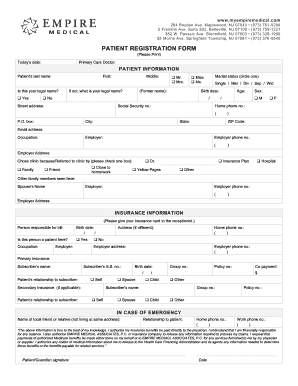
- Complete the Enrollment Form: Fill out the required fields in the enrollment form, providing accurate and complete information.
- Attach Required Documentation: Include all necessary documents that validate your domestic partnership and eligibility.
- Submit the Form: Send the completed form and documents through the designated submission method, such as online, mail, or in-person delivery, as instructed by the health plan.
- Await Confirmation: After submission, monitor any communication from UNITE HERE HEALTH regarding the status of your application.
- Follow Up: If you don’t receive a confirmation within the specified time frame, contact the health plan's customer support to ensure your submission is processed.
Key Elements of the Domestic Partner Coverage
Key elements of this coverage include:
- Health Benefits: Access to comprehensive health services, similar to those available to married couples.
- Flexibility in Relationship Status: Includes both same-sex and opposite-sex partners.
- Proof of Partnership: Requires documentation to establish the legitimacy of the domestic partnership.
- Tax Implications: Be aware that there might be tax consequences, particularly regarding the imputation of income.
Tax Implications
The provision of domestic partner health benefits may have significant tax implications. While health benefits for a legal spouse are typically not subject to federal income tax, benefits for a domestic partner could be taxable, leading to imputed income. It is crucial for individuals to understand these financial implications and to consult with a tax professional to accurately reflect these benefits on their tax returns. Additionally, staying updated with IRS guidelines regarding domestic partner benefits is advisable.
Examples of Using the Domestic Partner Coverage
Consider a couple, Jamie and Casey, both of whom live together, share expenses, and have chosen to enroll in a domestic partner health plan through UNITE HERE HEALTH. By providing the necessary documentation, such as a signed affidavit and joint bank statements, Jamie can extend health coverage to Casey. This ensures Casey receives the same health benefits typically offered to spouses without altering their legal marital status. Such coverage helps couples like Jamie and Casey maintain their health security while recognizing their relationship's validity.
Legal Use of the Domestic Partner Coverage
Utilizing Domestic Partner Coverage involves adhering to legal definitions and documentation requirements. Enrollees must observe all stipulated procedures for forming a domestic partnership as defined by state laws and UNITE HERE HEALTH's policy. Misrepresentation of a domestic partnership can lead to penalties, including loss of coverage or legal consequences. To remain compliant, it is essential for individuals to stay informed about any legislative changes that might impact their eligibility or coverage scope.