Definition & Purpose of the WIC Form
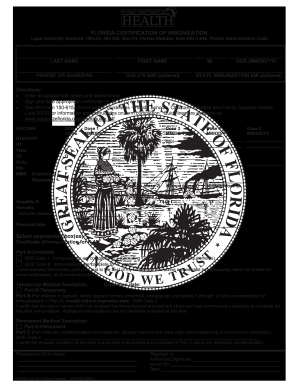
The Women, Infants, and Children (WIC) Form is used primarily to assess eligibility for the WIC program, a federal assistance initiative in the United States aimed at providing nutritional aid to low-income pregnant women, breastfeeding mothers, postpartum women, infants, and children up to the age of five. This form serves as a vital tool for collecting specific medical and nutritional information necessary to qualify participants for the program's benefits. Health care providers use the WIC Form to document health conditions, nutritional needs, and special formula requests, which are crucial for fulfilling the program's objectives of promoting healthy pregnancies and childhood growth.
Steps to Complete the WIC Form
Completing the WIC Form requires attention to detail, as accurate information is necessary for assessing eligibility. Here are the step-by-step instructions to fill out the form:
-
Personal Information: Begin by entering the applicant’s name, address, contact information, and Social Security number (SSN) if applicable. This establishes the primary identification of the form participant.
-
Family Size and Income: Documentation of family size and income levels is required to determine financial eligibility for the WIC program.
-
Medical History: Include detailed health information, such as current medical conditions and nutritional status. It's essential for a healthcare professional to fill out this section.
-
Pregnancy Details: For expectant mothers, provide information on the pregnancy, such as estimated due date and number of fetuses.
-
Signatures: Ensure that both the healthcare provider and the applicant sign the form to verify the accuracy of the information provided.
Health professionals play a crucial role and must ensure all sections are completed accurately to avoid processing delays.
How to Obtain the WIC Form
The WIC Form can be acquired through several convenient methods, ensuring accessibility for those who wish to apply for the program.
-
Local Offices: You can collect the WIC Form from your local WIC office or health department. Staff at these locations can provide immediate assistance in understanding the form requirements.
-
Online Resources: Many state health department websites provide downloadable and printable versions of the WIC Form. This enables applicants to fill out the form at home before submission.
-
Healthcare Providers: Often, clinics and hospitals have the WIC Form available and can assist with its completion during appointments.
Eligibility Criteria for the WIC Program
Understanding the eligibility requirements is crucial for applicants to determine their potential to receive benefits. The WIC program has specific guidelines that must be met:
-
Categorical Requirement: To qualify, an individual must be a pregnant woman, postpartum woman, breastfeeding woman, infant, or child under the age of five.
-
Residential Requirement: Applicants must reside in the state where they apply. Some states might require proof of residency.
-
Income Level: Families must have an income at or below 185% of the U.S. Department of Health & Human Services Poverty Guidelines.
-
Nutritional Risk Assessment: A health professional must conduct a nutritional risk assessment to determine eligibility based on health and dietary intake.

Important Terms Related to the WIC Form
As you work with the WIC Form, understanding key terminology is essential:
-
Nutritional Risk: Refers to an individual's health condition or diet that can benefit from WIC services.
-
Postpartum: The phase following childbirth, during which women are eligible for the WIC program’s benefits.
-
Breastfeeding Support: WIC provides aid and resources for breastfeeding mothers as a part of their program's offerings.
Legal Compliance and Use of the WIC Form
Ensuring compliance with legal requirements is vital when utilizing the WIC Form. Adherence to these guidelines helps protect applicants and supports the integrity of the program:
-
Confidentiality: Information provided on the WIC Form is protected under privacy laws, and sharing it without consent is prohibited.
-
Authorization: Only authorized health professionals can complete certain sections of the form.
-
Accurate Reporting: Misreporting or fraudulent information on the form could lead to penalties or disqualification from the program.
Key Elements of the WIC Form
The WIC Form includes several key sections that must be completed accurately to ensure processing:
-
Demographic Information: Essential for establishing the identity and eligibility of applicants.
-
Income Documentation: Provides financial eligibility criteria which are integral to the application process.
-
Health and Nutritional Assessment: Health providers must complete this section to establish nutritional risk factors.
-
Verification and Signatures: Required for validation and processing of the application.
State-Specific Rules and Differences
Each state may have variations in their requirements or processes for the WIC Form:
-
Application Procedures: Some states may offer online submission options, while others require in-person visits.
-
Program Services: The breadth of services and benefits might differ between states.
-
Residency Proof: States may have distinct criteria for proving residency, impacting the form’s documentation requirements.
Understanding state-specific nuances helps applicants navigate the application process more effectively.