





Definition and Meaning of Online Forms
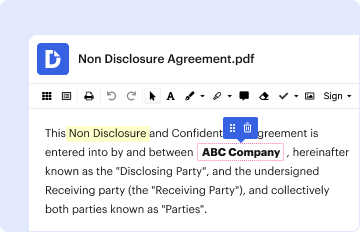
Online forms are digital versions of traditional paper documents. They are used to collect information, gather feedback, or facilitate processes such as applications, registrations, and surveys. These forms are typically accessed through a web-based platform and can be filled out and submitted electronically. They offer several advantages, including reduced paper use, improved data accuracy, and quicker processing times. Online forms are widely used in various industries, from legal and tax to education and healthcare, providing an efficient way to manage data collection and processing.
How to Use Forms Online
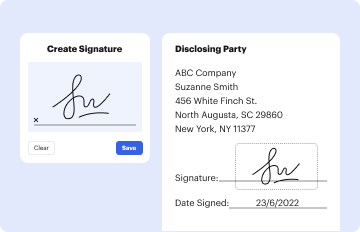
Using forms online involves a straightforward process that begins with accessing the form via a web browser. Users can fill out required fields by typing information directly into the provided sections. Advanced forms may include features such as automated data validation to ensure correct and complete information entry. On platforms like DocHub, users have the flexibility to save partially completed forms to complete later, share forms with others for collaboration, or instantly submit them for processing. Online forms often accommodate various data input types, including text, numbers, dates, and signatures.
Steps to Complete a Form Online
- Access the Form: Navigate to the website hosting the form or receive it through an email link.
- Input Information: Fill in the required fields, making use of drop-down menus, checkboxes, and text fields as provided.
- Review Entries: Double-check all information entered for accuracy and completeness.
- Add Attachments: If required, attach any additional documents or files.
- Submit Form: Submit the form electronically and ensure confirmation of receipt.
- Receive Confirmation: Look for email or on-screen confirmation that the form submission was successful.
Advantages of Online Forms
Online forms offer numerous benefits over traditional paper forms, such as increased efficiency and accuracy. They reduce the time needed to collect and process data, as information entered is directly digitized. Additionally, they lower costs associated with printing and storing physical documents. Online forms also enhance accessibility, allowing users to complete forms from any location with internet access. The ability to integrate with other software and automate workflow processes further extends their utility in business and organizational settings.
Key Elements of Online Forms
Essential Components
- Form Fields: Includes text boxes, drop-down menus, radio buttons, and checkboxes.
- Validation Rules: Ensure data is entered correctly, in the right format, and in all required fields.
- Instructions and Tooltips: Provide guidance on how to complete the form.
- Submit Button: Finalizes the form submission and often triggers a confirmation message.
Optional Features
- File Uploads: Allow users to attach documents, images, or other files.
- Progress Indicators: Show the user their progress if the form has multiple sections.
- Conditional Logic: Dynamically alter form fields based on user responses.
Software Compatibility and Integration
Online forms often integrate with various software applications to enhance productivity and streamline data processing. For example, platforms like DocHub can integrate seamlessly with Google Workspace, allowing users to import and edit files directly from Google Drive or Gmail. This integration eliminates the need for manual file transfers, thus saving time. Moreover, compatibility with accounting and document management software such as QuickBooks and TurboTax expands the form’s applicability in business scenarios, making it ideal for financial reporting and tax filing.
Legal Use and Compliance of Online Forms
When creating or submitting forms online, it is crucial to ensure compliance with relevant legal standards. In the United States, electronic forms used for official purposes may need to comply with laws such as the Electronic Signatures in Global and National Commerce Act (ESIGN Act), which ensures that electronic signatures are legally equivalent to handwritten signatures. Platforms that support online forms often include built-in compliance features, including electronic signature capabilities and secure data handling practices, helping users meet these legal requirements with confidence.
Who Typically Uses Online Forms
Online forms are utilized by a diverse range of individuals and organizations. Educational institutions use them for admissions applications and surveys, while businesses employ them for client intake and employee onboarding. Nonprofits may use online forms for volunteer registrations and donation processing. Government agencies offer digital applications for permits and licenses. This versatility makes online forms a valuable tool across various sectors, improving efficiency and engagement in data gathering processes.