






Definition and Meaning of the Lifestyle Assessment Long Form
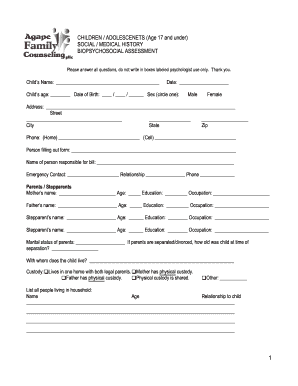
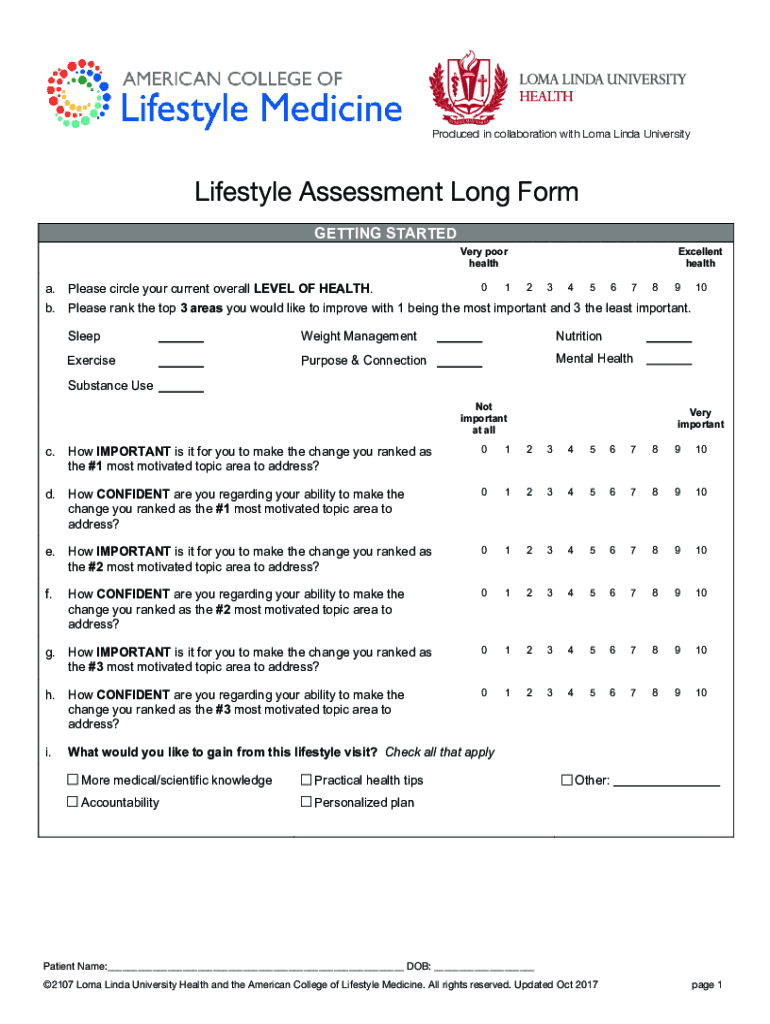
The Lifestyle Assessment Long Form is a comprehensive evaluation tool designed to assess an individual’s overall health and lifestyle habits. Developed in collaboration with Loma Linda University, this form helps in identifying various aspects of one's health including sleep patterns, dietary habits, physical activity levels, mental health, and substance use. The primary goal of the form is to support individuals in recognizing areas for improvement and setting personal health goals. By using this assessment, individuals can gain insights into their current health status and make informed decisions to enhance their well-being.
How to Use the Lifestyle Assessment Long Form
Using the Lifestyle Assessment Long Form involves a systematic approach to ensure all relevant aspects of health and lifestyle are captured accurately. Start by reviewing each section of the form to understand the type of information required. Complete the sections attentively, reflecting on personal habits and patterns. For instance, when assessing nutritional habits, pay close attention to dietary choices, meal frequency, and portions. Similarly, the exercise section should capture the type, frequency, and duration of physical activities. Individuals should aim to provide honest and thorough responses, as this information will form the basis of identifying lifestyle adjustments needed to achieve optimal health.
Step-by-Step Completion Process
- Review Each Section: Begin by familiarizing yourself with all sections of the form to understand the information required.
- Reflect on Personal Habits: Take time to think about daily routines and how they relate to health and lifestyle goals.
- Accurate Information: Provide clear and honest answers for each section, ensuring all relevant details are included.
- Focus on Improvement Areas: Highlight areas that need improvement, such as increasing physical activity or enhancing sleep quality.
- Set Personal Goals: Use the insights gained to outline achievable and realistic personal health goals.
Key Elements of the Lifestyle Assessment Long Form
The Lifestyle Assessment Long Form is structured to analyze various critical components of an individual's lifestyle. Important elements include:
- Sleep Patterns: Evaluating the quality and duration of sleep to identify potential disruptions or deficiencies.
- Nutritional Habits: Assessing dietary intake, eating patterns, and nutritional balance.
- Physical Activity: Analyzing the frequency and type of exercises, aiming for a mix of aerobic and strength training activities.
- Mental Health: Reflection on emotional well-being, stress levels, and coping mechanisms.
- Substance Use: Noting any usage of substances, including alcohol or tobacco, and its impact on health.
Each of these elements helps form a comprehensive overview of an individual's health and lifestyle.
Steps to Complete the Lifestyle Assessment Long Form
Completing the Lifestyle Assessment Long Form requires attention to detail and self-reflection. Here’s a structured approach:
- Gather Necessary Information: Compile data on current health metrics such as weight, height, and recent medical check-ups.
- Dedicate Time: Set aside uninterrupted time to focus on completing the form thoroughly.
- Seek Guidance if Needed: Consult healthcare professionals or wellness coaches if clarification or additional insight is required.
- Double-Check Responses: Verify that all sections are complete and accurate before finalizing the form.
By following these steps, individuals can effectively utilize the form to understand their lifestyle better.
Importance of the Lifestyle Assessment Long Form
Understanding the importance of the Lifestyle Assessment Long Form is crucial for deriving its full benefits. The assessment acts as a reflective tool that provides detailed insights into one's lifestyle choices and their correlations with health outcomes. By identifying areas that require improvement, the form supports individuals in setting targeted health goals, thus fostering a proactive approach to personal well-being. Additionally, it aids healthcare providers in understanding their patients’ lifestyles more comprehensively, facilitating a personalized healthcare strategy tailored to individual needs.
Who Typically Uses the Lifestyle Assessment Long Form
The Lifestyle Assessment Long Form is utilized by a diverse range of individuals and professionals. It serves not only individuals seeking to evaluate their health but also:
- Healthcare Professionals: Used by doctors and wellness coaches to gain insights into patients' lifestyles, aiding in crafting personalized health plans.
- Employers: Organizations may use it as part of employee wellness programs to promote healthy living among staff.
- Researchers: Utilized in studies focused on understanding lifestyle factors impacting health outcomes.
This wide usage underscores its versatility and effectiveness in promoting health and wellness.


Obtaining the Lifestyle Assessment Long Form
Acquiring the Lifestyle Assessment Long Form is straightforward. Individuals can request it through:
- Healthcare Providers: Many health clinics offer the form as part of their assessment tools.
- Online Platforms: Available for download from various health and wellness websites, ensuring accessibility.
- Workplace Wellness Programs: Employers may provide the form as part of initiatives to promote healthy lifestyles among their employees.
These avenues ensure that individuals gain easy access to a valuable tool crucial for health assessment.
Examples of Using the Lifestyle Assessment Long Form
Practical examples of using the Lifestyle Assessment Long Form include:
- Personal Health Monitoring: A fitness enthusiast uses the form to track changes in lifestyle habits over time, identifying patterns linked to improved fitness results.
- Clinical Applications: A doctor uses the form to better understand a patient’s lifestyle, adjusting treatment plans to align with the patient's daily habits and goals.
- Corporate Wellness Programs: An HR manager incorporates the assessment into a wellness initiative, encouraging employees to assess their health and set goals, thereby enhancing overall workplace health.
These scenarios demonstrate the form’s utility in diverse settings, highlighting its effectiveness in promoting better health outcomes.