
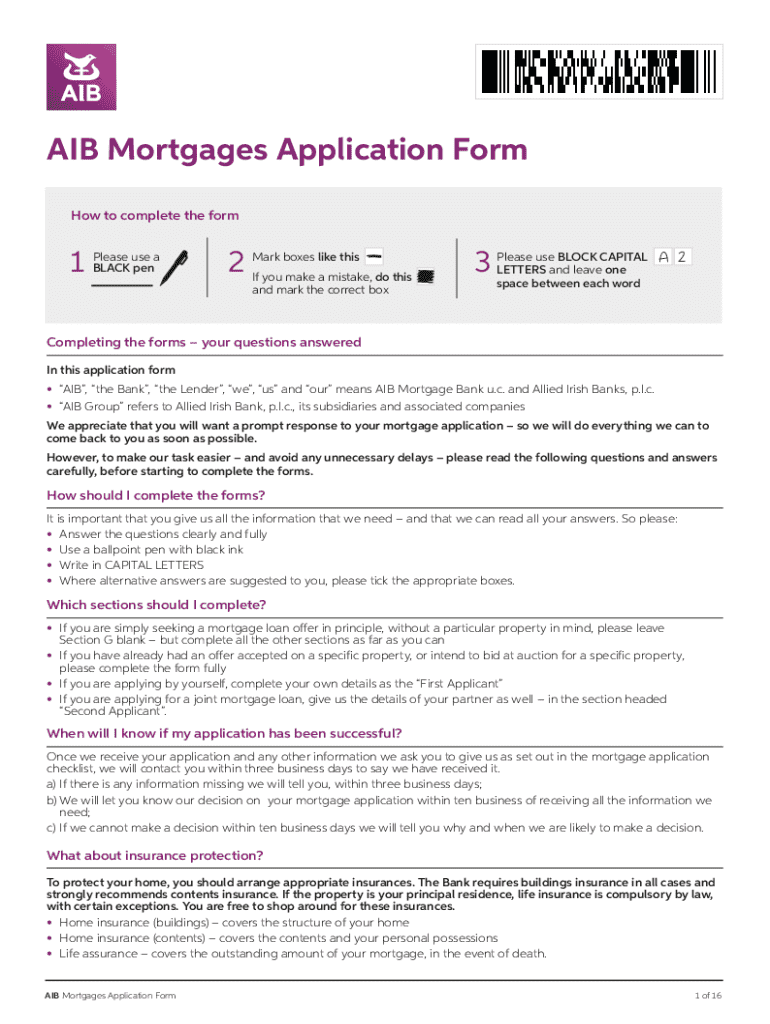







Definition and Meaning of Online Forms
Online forms are digital documents that users can fill out and submit electronically via the internet. They streamline data collection, processing tasks, and eliminate the need for physical paperwork. These forms are commonly used in various fields, such as taxes, legal contracts, and applications, allowing seamless interaction between users and service providers. Forms can range from simple contact pages to complex tax filing documents, offering configurable fields for diverse needs.
Features of Online Forms
- Easily accessible through web browsers on various devices
- Can include fields like text boxes, dropdowns, and checkboxes
- Often integrate with other systems for data management
- Provide security features, such as encryption, ensuring data protection
Digital forms enhance productivity by allowing users to complete tasks remotely, which is especially useful in today’s increasingly digital world. This efficiency helps businesses and individuals save time, reduce errors, and quickly gather and process information.
How to Use the Form Online
Using an online form is typically straightforward, though the specific steps may vary depending on the document type and platform.
- Access the form through a website or cloud service that hosts the form.
- Review the instructions carefully to ensure proper completion.
- Fill in the required fields with accurate and up-to-date information.
- Review the entire form for accuracy before submission.
- Submit the form via the designated button, often labeled “Submit” or “Complete.”
- Save or print a copy of the completed form for your records, if necessary.
Online forms also offer features like autofill options or data validation rules, assisting users in filling out forms accurately and efficiently.
Steps to Complete the Form Online
Completing an online form involves a series of steps designed to capture all necessary information accurately. Here’s a typical process:
Step-by-Step Guide
-
Preparation
- Gather all necessary documents and information beforehand.
- Read any guidelines that accompany the form to understand specific requirements.
-
Access the Form
- Visit the website hosting the form.
- Log in if the platform requires user authentication for security reasons.
-
Fill Out the Form
- Start by entering your personal details, such as name and contact information.
- Proceed to the main sections, ensuring each field is completed correctly.
- Use dropdown menus and checkboxes where applicable to ensure precision.
-
Review and Edit
- Double-check all entered data for typos or incorrect entries.
- Make sure that mandatory fields, often marked with an asterisk, are filled out.
-
Submit
- Click the submission button, ensuring that terms and conditions are agreed upon if required.
- Note any confirmation messages or emails received as proof of submission.
Why Should You Form Online
Using forms online over traditional paper-based methods offers numerous advantages that align with modern workflow practices.
Benefits of Online Forms
- Convenience: Forms can be accessed and submitted from any location, reducing the need for physical presence.
- Efficiency: Streamlines processes by automatically routing documents to the right departments or individuals.
- Cost Savings: Reduces expenses associated with printing, mailing, and storing physical forms.
- Data Accuracy: Online forms often include validation checks to minimize errors and increase the reliability of submitted information.
In contexts where time-sensitive actions are crucial, such as legal filings or financial applications, online forms provide an edge by shaving off processing time and enhancing decision-making speed.
Key Elements of the Form Online
Several components make up an effective online form, ensuring that all necessary data is captured accurately.
Primary Components
- Data Fields: These include text boxes for inputting information, date selectors, and number fields.
- Instructions and Labels: Clear descriptions that guide users on how to fill out each section correctly.
- Validation Rules: Embedded logic that checks entries for errors, such as incorrect formats or missing information.
- Submission Button: Triggers the process to send the completed form to the desired recipient or storage system.
- Acknowledgment and Feedback Messages: Inform users of successful submission or highlight areas that need correction.
Online forms are designed for ease of use, with intuitive interfaces guiding users through each step of completion and submission.
State-Specific Rules for the Form Online
Depending on the nature of the form, there may be specific regulations or requirements varying by state. This is particularly relevant for legal or tax-related forms.
Variation Across States
- Requirements: Some states may require additional documentation or specific fields to be filled out.
- Submission Protocols: States might differ in where or how forms should be submitted.
- Deadlines: Applicable dates for submissions could vary, impacting when individuals or businesses need to complete certain sections.
Users should ensure they are aware of these differences to avoid non-compliance and potential penalties, especially in areas like tax filings where local regulations are heavily enforced.
Who Typically Uses the Form Online
Online forms serve a wide array of users, each with specific needs and purposes.


Common Users
- Individuals: For purposes such as job applications, license renewals, or personal tax filings.
- Businesses: In contexts like contract signing, employee onboarding, or financial reporting.
- Government Agencies: Utilize forms for data collection, public feedback, or regulatory compliance.
- Educational Institutions: Use forms for admissions, surveys, and feedback collection.
The ability to cater to such diverse needs illustrates the flexibility and adaptability of online forms in meeting the documentation requirements of various audiences efficiently.

Legal Use of the Form Online
The legal legitimacy of online forms is critical, particularly for documents requiring signatures or sensitive information.
Compliance and Legitimacy
- Electronic Signatures: Must adhere to legal standards like the ESIGN Act, ensuring online signatures are considered as binding as handwritten ones.
- Security Measures: Encryption and authentication methods must be utilized to protect sensitive information from unauthorized access.
- Consent Recording: Forms often include sections where users consent to terms and understand their legal implications.
Ensuring these elements are correctly implemented guarantees that online forms remain a legally sound replacement for traditional paper forms.




