Definition and Meaning
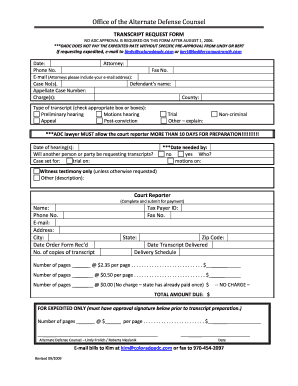
The "Pleading form with 28 lines" is utilized primarily in legal settings for the proper documentation and submission of various legal pleadings. This form typically includes precise formatting with 28 lines per page, catering specifically to court requirements for the filing of complaints, motions, or other legal requests. This standardized structure assists court clerks and judges in maintaining consistent and organized records.
How to Use the Pleading Form with 28 Lines
Legal professionals and self-represented parties can use this form to draft and submit court documents. The form ensures compliance with court formatting rules by delineating clear spaces for each aspect of the pleading. To fill out the form correctly, users should include the case title, docket number, and specific legal claims or defenses in their pleadings. It's crucial to adhere strictly to the line spacing to avoid rejection or delay in processing by the court.
How to Obtain the Pleading Form with 28 Lines
The pleading form with 28 lines can be obtained from several sources. Most commonly, it is available through local court websites or legal aid organizations. It may also be accessible via legal document software or through a direct request to the court clerk's office. Some jurisdictions offer downloadable versions in PDF or DOC formats, ensuring broad compatibility with various software and devices.
Steps to Complete the Pleading Form with 28 Lines
- Header Information: Begin by completing the court name, plaintiff, and defendant information in the header section.
- Docket Number and Case Title: Clearly input the case number and title.
- Outline Legal Arguments: Use the body of the form to present legal claims, defenses, or motions, ensuring each argument is placed appropriately within the provided lines.
- Conclude with a Prayer for Relief: If applicable, state what you are asking the court to do at the end of the document.
- Signature and Date: Finish by signing and dating the form at the bottom, typically in the designated lines for signatures.
Key Elements of the Pleading Form with 28 Lines
- Line Numbering: Each line is pre-numbered, ensuring clarity and reference for citations and corrections.
- Margins: Standardized margins help ensure consistency and readability.
- Format Compliance: The layout adheres to local court rules for any required headings, spacing, and typeface.
Legal Use of the Pleading Form with 28 Lines
This form serves a critical legal function by formally documenting the requests or complaints of involved parties. It helps ensure that communications between the parties and the court are clear and standardized. This document ensures legal matters proceed following procedural norms and standards mandated by the court system, facilitating fair and orderly management of cases.
State-Specific Rules for the Pleading Form with 28 Lines
While the 28-line format is widely accepted, variations may exist between states or even between courts within the same state. Specific rules regarding margins, typeface size, and additional required information (such as bar numbers or jurisdictional statements) may be mandated locally. It's advisable to check the specific court rules where the pleading is being filed to ensure compliance and avoid rejection.
Examples of Using the Pleading Form with 28 Lines
- Divorce Proceedings: In divorce cases where one party is seeking to file a response or initial complaint.
- Civil Litigation: For filing complaints, answers, or motions in civil cases.
- Legal Motions: Used to submit motions for summary judgments or dismissals in ongoing litigation cases.
Required Documents
To use the pleading form effectively, additional documents may need to be attached, such as evidence exhibits, affidavits, or declarations. These accompanying documents must be properly referenced within the main pleading to assist in substantiating the legal arguments or claims being made.
Who Typically Uses the Pleading Form with 28 Lines
The form is primarily used by attorneys, paralegals, and self-represented (pro se) litigants involved in civil cases. It serves a vital role in ensuring that all parties present their cases in a format that the court can readily process and understand.


Important Terms Related to the Pleading Form with 28 Lines
- Plaintiff: The individual or entity who initiates the lawsuit.
- Defendant: The party against whom the lawsuit is filed.
- Jurisdiction: The court's authority to hear and decide a case, affecting where the pleading form is submitted.
- Filing: The formal submission of a legal document to the court.
Form Submission Methods (Online, Mail, In-Person)
Depending on the jurisdiction, the pleading form can be submitted through several methods:
- Online: Some courts provide electronic filing systems for submission.
- Mail: Physical copies can be mailed to the court clerk's office.
- In-Person: Direct submission at the court clerk's office is often available for those who prefer or require it for notarization or immediate processing needs.
Penalties for Non-Compliance
Failure to adhere to the proper format or submission process of a pleading form with 28 lines can result in the document being rejected, leading to delays in the resolution of the case. In severe cases, persistence in non-compliance may result in fines or sanctions imposed by the court.