Definition and Purpose of the Address Declaration Format for Banks
The address declaration format for banks is a critical document required by financial institutions to verify an applicant's address, particularly for those applying for accounts such as NRE (Non-Resident External), NRO (Non-Resident Ordinary), FCNR (Foreign Currency Non-Resident), or RFC (Resident Foreign Currency) accounts. This declaration is essential for compliance with regulations regarding identity verification and to prevent fraudulent activities. The form requires individuals to provide their current overseas addresses and is often coupled with the obligation to inform the bank of any future address changes within a specified timeframe, typically within two weeks.
Importance of Address Verification
- Fraud Prevention: Verifying an applicant's address helps banks reduce the risk of identity theft and fraud.
- Compliance Requirements: Financial institutions must adhere to regulatory guidelines that demand accurate customer information, including address details.
- Communication: A valid address is necessary for sending critical documents, notifications, or correspondences from the bank.
Key Components of the Address Declaration Form
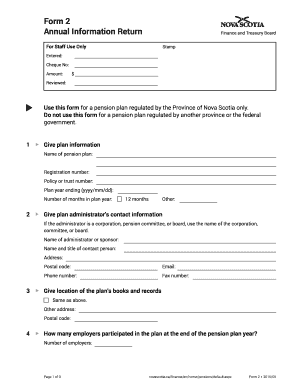
The address declaration format typically includes specific sections that capture necessary information from the applicant.
- Personal Information: This section includes the applicant's full name, date of birth, and contact details, which establishes their identity.
- Current Overseas Address: Applicants are required to provide a full overseas address, including country, state, city, and postal code.
- Previous Address: Some forms may require the declaration of a past address to facilitate historical data verification.
- Declaration Statement: A statement confirming that the applicant's details are accurate and true, along with an acknowledgment of the requirement to update the bank of any address changes.
- Signature and Date: A section for the applicant's signature and the date serves as a formal acknowledgment of the information provided.
Example of Address Declaration Format
- Applicant's Name: John Doe
- Date of Birth: January 1, 1990
- Current Overseas Address: 123 Elm Street, Apt 45, Springfield, IL 62701, USA
- Previous Address: 456 Oak Avenue, Apt 12, Lincoln, NE 68501, USA
- Declaration Statement: "I hereby declare that the information provided is accurate and I understand my obligation to notify the bank of any address changes within two weeks."
- Signature: John Doe
- Date: February 12, 2024
Filling Out the Address Declaration Form Accurately
Accuracy in filling out the address declaration form is essential for smooth processing by the bank. Here is a step-by-step guide:
- Start with Personal Information: Provide your full name as it appears on your identification documents. Include all required personal details.
- Enter the Current Overseas Address: Ensure all parts of your address are complete and formatted correctly. Double-check the spelling and accuracy of the postal code.
- Include Past Address (if required): If the form requests a previous address, fill this out accurately to assist the bank in confirming your identity.
- Read and Sign the Declaration Statement: Before signing, carefully read the declaration statement to understand your responsibilities. Your signature confirms your agreement to the terms specified.
- Submit the Form: Follow the specific submission guidelines provided by the bank, whether for direct submission, mailing, or digital submission through an online platform.
Common Mistakes to Avoid While Completing the Form
- Inaccurate Address Details: Entering partial or incorrect addresses can lead to rejection of the form or processing delays.
- Omitting Required Information: Ensure all mandatory fields are filled in to prevent issues with the application process.
- Failure to Sign: Neglecting to sign the form or forgetting to date it can result in it being deemed invalid.
Legal Considerations and Compliance Requirements
Understanding the legal implications and compliance requirements surrounding the address declaration form is essential for a smooth banking experience.
- Identity Verification: Banks must comply with the Know Your Customer (KYC) regulations, which mandate that they verify customer information, including addresses.
- Data Protection Laws: Banks are required to handle personal information, such as addresses, in compliance with local and federal data protection laws. This includes secure storage and limited access.
- Consequences of Non-Compliance: Failure to provide accurate information can result in penalties for both the applicant and the banking institution, as it may lead to regulatory scrutiny.
Importance of Maintaining Updated Address Records
Keeping your address records current is crucial for ongoing banking services. Informing your bank of any changes prevents disruptions in service, ensures uninterrupted communication, and conforms to regulatory standards.
Real-World Scenarios and Use Cases
The address declaration format is commonly used in various banking scenarios, including:
- Opening New Accounts: New customers must provide this declaration when applying for banking services, particularly international accounts.
- Updating Account Information: Existing customers may be required to fill out this form to update their address when relocating or changing residency.
- Loan Applications: When applying for loans, banks may request an address declaration for verification and compliance purposes.
In each of these situations, the address declaration format serves a critical role in establishing the identity and current status of the applicant.