




01. Edit your form online
Type text, add images, blackout confidential details, add comments, highlights and more.

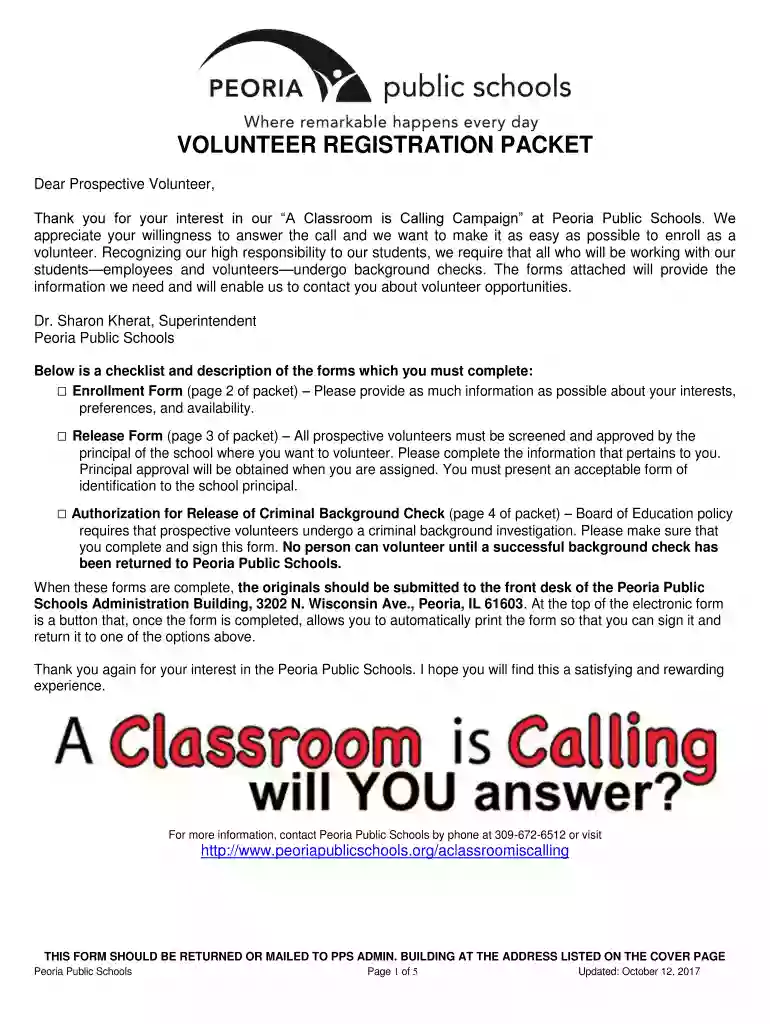
Type text, add images, blackout confidential details, add comments, highlights and more.

Draw your signature, type it, upload its image, or use your mobile device as a signature pad.

Send it via email, link, or fax. You can also download it, export it or print it out.
An election campaign letter is a strategic document used by candidates during their political campaigns to communicate their vision, policies, and plans to voters. This letter can serve multiple purposes, such as introducing the candidate, addressing specific campaign issues, influencing voter perception, and mobilizing support. The use of an election campaign letter can be a powerful tool for connecting with constituents, building trust, and encouraging voter turnout. While the format can vary depending on the candidate's style and the targeted audience, the core purpose remains to persuade and ignite engagement.
To effectively use an election campaign letter, candidates should ensure that the content is tailored to their audience. Start with an engaging opening that captures the reader's attention and clearly states the purpose of the letter. Follow with a concise presentation of the candidate’s background, highlighting relevant experience and achievements. The body of the letter should address key issues that resonate with the audience, providing solutions or proposals for each. An effective campaign letter concludes with a strong call-to-action, urging readers to support the candidate in various ways, such as volunteering, donating, or voting.
Creating a compelling election campaign letter involves several key steps to ensure clarity and impact:
A well-crafted election campaign letter contains several critical components that contribute to its effectiveness:
Election campaign letters are predominantly used by political candidates running for office, from local levels like city councils to national positions like Congress. These letters can also be utilized by political action committees (PACs), advocacy groups, and grassroots organizations to support candidates who align with their values. Volunteers and campaign staff often distribute these letters as part of broader voter outreach efforts to increase candidate visibility and influence voter sentiment.


Election campaign letters must adhere to specific legal standards to ensure compliance with campaign laws and regulations. These may vary by jurisdiction but generally involve guidelines on content, funding disclosure, and distribution. Candidates must ensure that all claims made in the letter are factually accurate and legally defensible. Proper disclosures regarding campaign funding sources should be included to maintain transparency with voters. It’s essential to consult legal advisors or campaign experts to navigate these requirements effectively.
The strategic use of election campaign letters can significantly impact the outcome of a campaign. For example, a candidate running for mayor might use a series of letters to address different community issues, such as education reform, public safety, and local economic development. By targeting specific concerns of various community groups, the candidate can foster stronger connections with constituents. In a close race, personalized letters to undecided voters offering insightful arguments and solutions can be the deciding factor in earning their support.
Different states may impose unique requirements and restrictions on the content and distribution of election campaign letters. This can include specific language that must be included, such as disclaimers about who funded the letter, and submission for review to state election bodies. Additionally, there may be deadlines for when campaign letters can be distributed. Candidates must be aware of and comply with these rules to avoid potential penalties and ensure their campaign operates within legal frameworks.
We've got more versions of the How to Write an Election Campaign LetterSynonym form. Select the right How to Write an Election Campaign LetterSynonym version from the list and start editing it straight away!
At DocHub, your data security is our priority. We follow HIPAA, SOC2, GDPR, and other standards, so you can work on your documents with confidence.


