Definition and Role of St Pauls Medical Aid
St Pauls Medical Aid is a health insurance scheme designed to provide financial coverage for medical expenses incurred by its members. This medical aid plan typically includes a range of benefits such as hospital stays, surgery costs, prescribed medication, and consultations with registered healthcare professionals. The primary aim of this program is to alleviate the burden of medical costs on individuals and families by offering immediate access to necessary healthcare services.
Key Features
- Hospital Coverage: Members receive financial support for hospital admissions, which covers a variety of services depending on the specific plan.
- Medical Services: Coverage often includes consultations with doctors and specialists, helping members receive timely medical attention.
- Prescriptions and Medication: Partial or full reimbursement for prescribed medicines is usually covered, depending on the plan specifics.
Eligibility Criteria
Membership eligibility typically includes individuals of a certain age group and those who pass a health assessment. Specific criteria may vary by plan.


Obtaining Coverage with St Pauls Medical Aid
To get started with St Pauls Medical Aid, individuals must first understand the enrollment process, which involves selecting an appropriate plan based on personal healthcare needs and budget.
Enrollment Steps
- Research Plans: Gather information about available plans, including benefits, costs, and limitations.
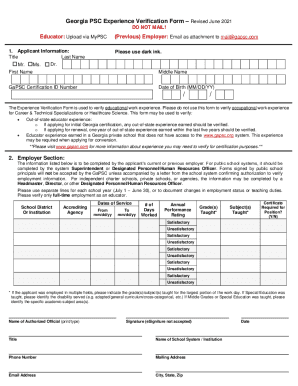
- Application Form: Complete the official application form, which often requires personal information, current health status, and preferred coverage options.
- Submit Required Documents: Alongside the application, submit any necessary documentation such as identification, proof of income, and previous medical records.
- Plan Approval: After submission, the application undergoes an approval process which can take several days to weeks.
Considerations
- Family Coverage: Options for adding family members or dependents to the plan might be available and could alter premium costs.
- Occupation and Health: Consideration of one's occupation and health conditions is critical in ensuring the selected plan is comprehensive enough to meet potential medical needs.
Important Terminology in St Pauls Medical Aid
Understanding the common terms associated with St Pauls Medical Aid can aid in navigating the plan effectively.
Key Terms
- Premium: The amount paid, usually monthly, to maintain active coverage under the plan.
- Deductible: A specified amount members must pay out-of-pocket before the insurance plan begins to cover expenses.
- Co-payment: A fixed fee members pay for certain healthcare services, such as doctor visits or medications, at the time of appointment or service.
Importance
Familiarity with this terminology is essential for making informed decisions about coverage and understanding the financial obligations attached to the plan.
Legal Use and Compliance for St Pauls Medical Aid
Ensuring compliance with legal requirements related to St Pauls Medical Aid is critical to maintaining valid and uninterrupted coverage.
Regulatory Guidelines
- HIPAA Compliance: Safeguards member medical information and ensures privacy.
- Adherence to State Laws: Some states may have specific regulations affecting the structure and benefits of medical aid plans.
Penalties for Non-Compliance
Failure to comply with payment terms or misuse of benefits may result in penalties, including suspension of coverage or financial repercussions. Staying informed about the plan’s legal framework helps in avoiding such issues.
Completing the St Pauls Medical Aid Form
Filling out the medical aid form accurately is crucial to receiving timely and proper benefits.
Step-by-Step Guidance
- Personal Information Section: Fill in personal details including full name, birth date, and contact information.
- Medical History: Provide a comprehensive medical history to determine eligibility and appropriate coverage levels.
- Plan Selection: Confirm your choice of plan and understand its benefits and restrictions before finalizing.
- Signatures: Ensure all required parties have signed the document for validity.
Tips for Accuracy
- Double-Check Entries: Careful review of all entries before submission can prevent delays in processing.
- Seek Assistance if Needed: Consult with customer service or a healthcare advisor if clarification is needed on any part of the form.
Digital vs. Paper Versions of St Pauls Medical Aid
St Pauls Medical Aid can be managed through either digital or traditional paper processes, depending on user preference and access.
Advantages of Digital Access
- Convenience: Members can access plan details and submit claims online, simplifying the administrative process.
- Faster Processing: Digital submissions reduce the time needed for approval and response compared to mailing paper forms.
Paper Version Considerations
- Accessibility: Paper forms are beneficial for those without reliable internet access.
- Physical Documentation: Some members prefer having physical copies of their plans and submissions for easy reference.
Required Documents for St Pauls Medical Aid Submission
Proper documentation accompanies the submission of the medical aid application to verify the details provided.
Commonly Required Documents
- Identification: A government-issued ID like a driver's license or passport.
- Proof of Income: Recent pay stubs or tax returns.
- Medical Records: Past health records or disability documentation, if applicable.
Ensuring Proper Submission
Organizing and verifying all required documentation before application will help streamline processing and minimize requests for additional information.
State-specific Rules for St Pauls Medical Aid
Health insurance regulations and requirements can vary significantly from state to state, impacting how St Pauls Medical Aid is administered.
State Variations
- Coverage Mandates: Certain states may require additional benefits to be included in all medical aid plans.
- Eligibility Requirements: These may differ based on state guidelines regarding age, income, and health status.
Navigating Differences
Members should review their state-specific healthcare laws and consult with a local advisor to ensure full compliance and optimized plan utilization.