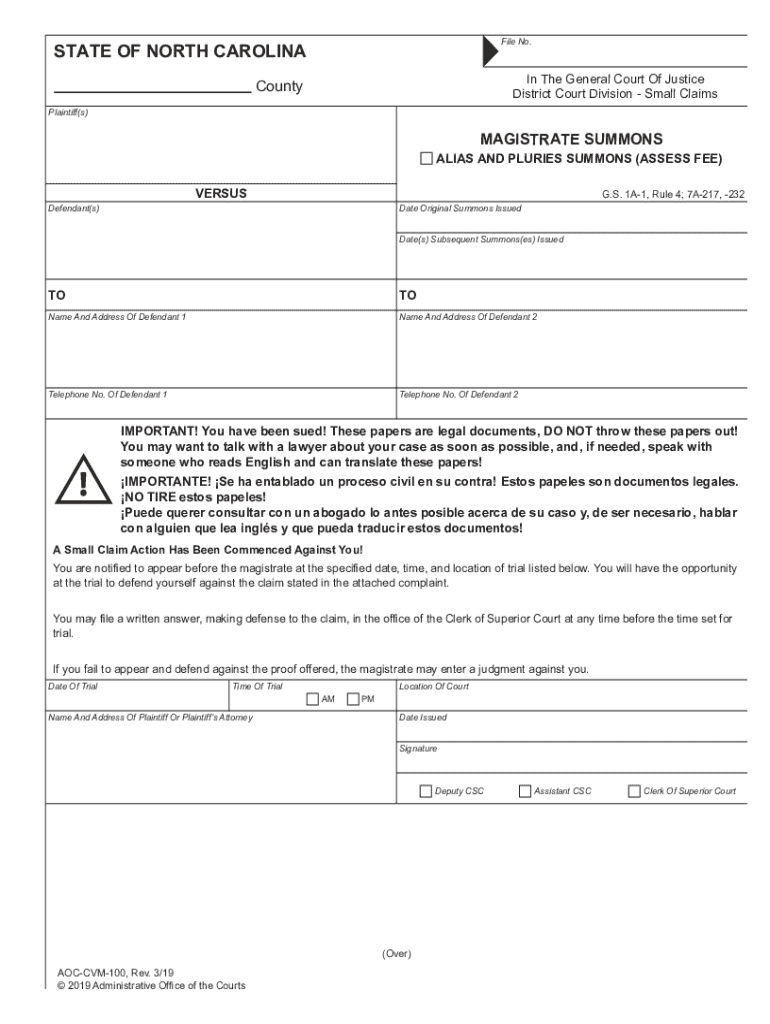







Definition and Purpose of the State of North Carolina Form
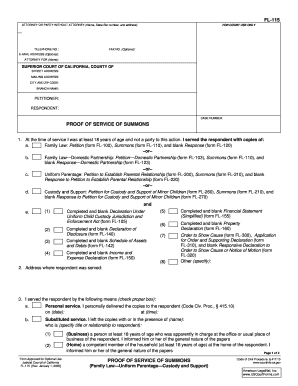
The "State of North Carolina" form refers to a range of legal documents used within the state’s jurisdiction. These forms can include small claims actions, tax submissions, or application processes specific to state regulations. Each form serves a distinct purpose, from notifying individuals of legal obligations to collecting necessary tax information. Understanding the intended use of each form is crucial for compliance and accurate submission.
How to Obtain the State of North Carolina Form
Securing the correct State of North Carolina form involves understanding what specific form you require. Most forms can be accessed through the North Carolina state government website or relevant state department portals. For legal documents like court summons, these might be issued directly by a court or through legal representation. It’s important to verify you have the most recent version of any form to ensure compliance with current regulations.
Steps to Complete the State of North Carolina Form
Completing the North Carolina state forms accurately is crucial to avoid delays or penalties:
- Identify Required Information: Gather all necessary personal, legal, or financial data as indicated by the form instructions.
- Fill in the Form: Use clear, legible writing or digital entry methods to ensure all information is accurate.
- Review and Verify: Double-check entries for accuracy, ensuring no sections are missed or incomplete.
- Attach Necessary Documents: Include all required supplementary documents or evidence outlined in the form instructions.
- Submission: Follow the specified method for submitting the form, whether online, by mail, or in person.
Important Terms Related to State of North Carolina Forms
Understanding key terms associated with State of North Carolina forms is essential:
- Petitioner/Applicant: The individual initiating the form submission.
- Respondent/Defendant: In legal contexts, the party responding to a claim.
- Filing Date: The date when the form is officially submitted or received.
- Service of Process: Delivery method of legal documents to a party involved.
Legal Use of the State of North Carolina Form
Legal use of these forms varies but generally involves submitting accurate and truthful information as required by North Carolina law. Misrepresentation or failure to comply with submission guidelines could result in penalties, fines, or dismissal of applications. Familiarizing yourself with the legal implications associated with each form is essential to avoid legal discrepancies.
Key Elements of the State of North Carolina Form
Each form typically contains several critical sections:
- Personal Information: Includes identification details such as name, address, and contact information.
- Purpose Statement: Clearly states the intent of the form submission.
- Submission Details: Outlines deadlines and methods for form submission.
- Signatures: Validates the authenticity and accuracy of the information provided, which can include notarizations for specific forms.
Who Issues the State of North Carolina Form
State forms are typically issued by various governmental departments, depending on the form's nature. For legal forms, this might be the judicial branch or local courts. Tax forms are issued by the Department of Revenue. Understanding the issuing body helps ensure communication and submission of forms is directed to the correct department.
Digital vs. Paper Version of the State of North Carolina Form
Many North Carolina state forms are available in both digital and paper formats. Choosing between digital and paper versions often depends on personal preference or specific submission requirements. Digital versions offer convenience, often allowing for direct online submission and faster processing times, while paper forms might be required for certain legal filings requiring notarized signatures or personal delivery.
Filing Deadlines and Important Dates for State Forms
Adhering to filing deadlines is imperative:
- Tax Submissions: Typically due by April 15 each year for individual returns.
- Legal Filings: Dates vary based on court schedules and specific case requirements.
- Application Processes: Follow specific program guidelines or windows for submission.
Check each form’s instructions for precise deadlines to avoid complications.
Required Documents for Submission
Different forms require varying supporting documentation:
- Identification Copies: Driver’s licenses or state IDs.
- Financial Statements: Necessary for tax forms or financial disclosures.
- Legal Documentation: Contracts, agreements, or previous legal filings.
Ensure that all documents are up to date and reflect current, verifiable information before submission.
Eligibility Criteria and Disclosure Requirements
Eligibility for utilizing specific forms often depends on:
- Residency Status: Many forms require North Carolina residency.
- Financial Thresholds: Significant for tax filings or program applications.
- Legal Standing: Necessary for initiating or responding to legal claims.
Meeting eligibility requirements is critical for the acceptance of any form submission.