





Definition & Meaning
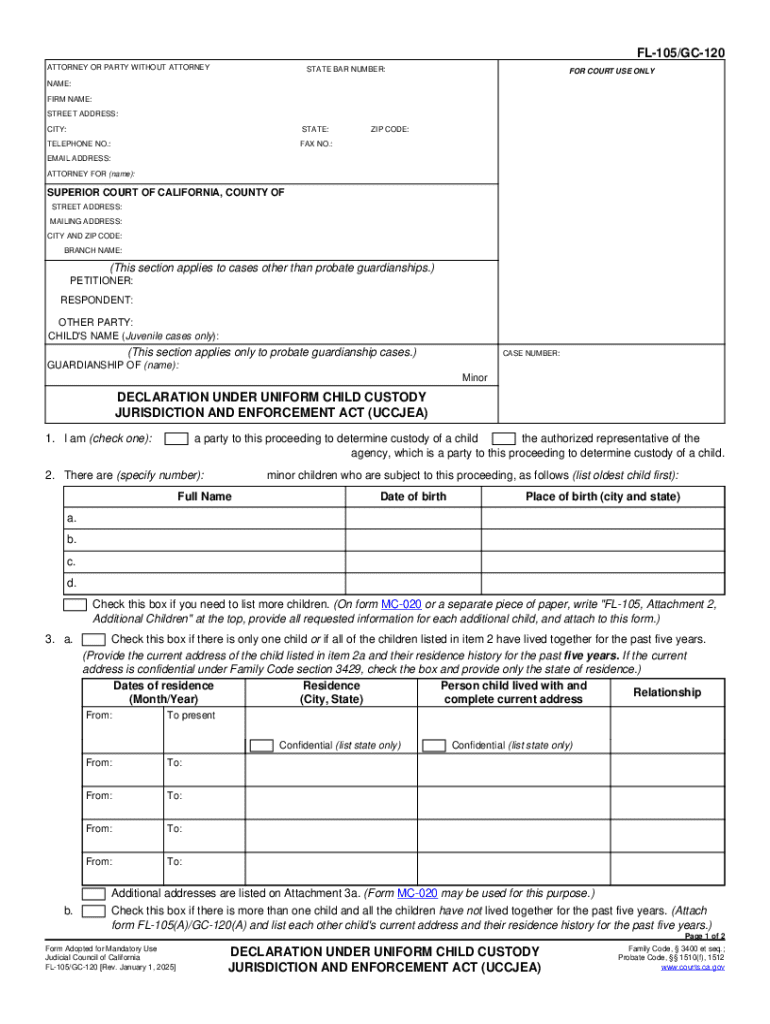
The term "form online" typically refers to electronic templates available on web platforms, used for data collection, submission, and processing. These forms are digital versions of traditional paper forms, enabling users to fill out and submit information quickly over the internet. With the rise of digital transformation, online forms are now integral to business processes, legal documentation, and personal applications, providing flexibility and efficiency for users in various contexts.
How to Use the Form Online
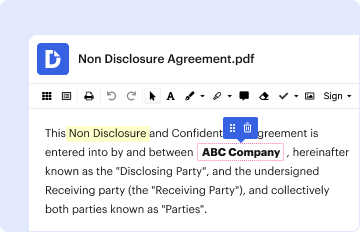
Using an online form involves several straightforward steps designed for ease and accessibility. First, choose an appropriate platform, like DocHub, that supports the specific form you need to complete. Ensure you have the correct credentials to access the form, especially if it requires logging in. Once accessed, fill in the required fields, often marked with asterisks, to ensure completeness. For complex forms, take advantage of features such as auto-fill, which can populate sections based on existing data. Always review your entries for accuracy before submission.
- Auto-fill Features: Auto-fill can dramatically reduce time spent on repetitive entries, especially for personal information like name and address. Ensure you have saved this data in your browser or connected applications for seamless integration.
- Review and Edit: The online platform may provide a preview option where you can review all entries before final submission, which is crucial for avoiding mistakes.
Steps to Complete the Form Online
- Access the Form: Navigate to the DocHub platform or other form-hosting site where your form resides.
- Identify Required Fields: Pay attention to required fields that must be filled for submission. These are usually marked with an asterisk or highlighted.
- Fill in Details: Enter your information carefully in each section. For official documents, ensure that details like names and dates match your official records.
- Attach Supporting Documents: Some forms may require additional documents. Use the upload feature to include all necessary files.
- Review and Validate: Double-check all entries for accuracy and completeness. Use any available validation tools on the platform.
- Submit the Form: Once reviewed, submit your form online. Most platforms provide a confirmation of submission which should be saved for your records.
Why Should You Form Online?
Choosing to fill out and submit forms online provides several advantages. The primary benefit is convenience; online forms eliminate the need for physical paperwork and the time spent mailing forms. They enhance accessibility, allowing individuals to complete necessary documentation from virtually anywhere with internet access.
- Efficiency: With features like auto-fill and document upload, online forms expedite the process of completing and submitting necessary documents.
- Real-Time Processing: Online submissions are often immediately processed, reducing waiting times compared to traditional methods.
Who Typically Uses the Form Online
A wide array of individuals and entities commonly utilize online forms. Businesses and corporations often rely on them for employee applications, client information collection, and more. Legal professionals use online forms for electronic filing of legal documents. In addition, individuals applying for jobs, schools, or government services frequently engage with online forms for submissions.
- Businesses: Used extensively for human resources processes, client onboarding, and compliance documentation.
- Legal Professionals: Facilitate the submission of court documents and contracts.
- Individuals: From job applications to tax submissions, individuals across sectors use online forms to fulfill varied requirements.


Legal Use of the Form Online
Online forms are legally recognized in many contexts, thanks to frameworks like the ESIGN Act, which legitimizes electronic signatures and records in commerce. When filling out legal or financial forms online, ensure they meet regulatory standards. Platforms like DocHub often have built-in compliance measures to verify the legal standing of their digital forms.
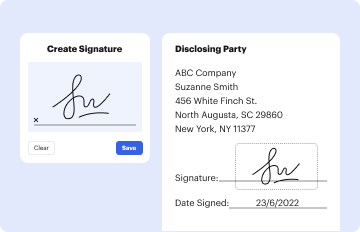
- Electronic Signatures: Most forms completed online can be signed electronically, with such signatures holding the same weight as handwritten ones in most jurisdictions.
Key Elements of the Form Online
When working with online forms, certain elements are critical to their function. These include user authentication to ensure the correct party is filling out the form, data encryption to protect sensitive information, and error-checking mechanisms that prevent incorrect data entry.
- User Authentication: Secure login processes verify the user's identity before allowing access to sensitive forms.
- Data Encryption: High-level encryption, such as 256-bit SSL, ensures information remains confidential and secure.
State-Specific Rules for the Form Online
While filling out forms online, it's crucial to be aware of state-specific regulations that might affect the document's creation or submission. This varies greatly across states depending on the type of form. Legal and tax-related forms may have differing requirements and additional documentation based on where you reside or operate.
- Additional Documentation: Some states require supplementary documentation or specific disclosures that must accompany the form.
Examples of Using the Form Online
Real-world use cases demonstrate the utility of online forms. Consider a small business utilizing online forms to collect customer feedback, or a legal firm assembling client information for case preparations. These scenarios show how online forms streamline processes that traditionally involved more cumbersome methods.
- Customer Feedback Collection: Businesses can gauge customer satisfaction efficiently through online surveys.
- Legal Document Preparation: Lawyers efficiently gather all needed client information through online intake forms.
Important Terms Related to Form Online
Familiarity with essential terms can enhance understanding when dealing with online forms. Terms like “encryption,” “auto-fill,” “required fields,” and “validation” often come up when filling out forms online and understanding their meanings can assist in smoother completion and submission of forms.