01. Edit your form online
Type text, add images, blackout confidential details, add comments, highlights and more.

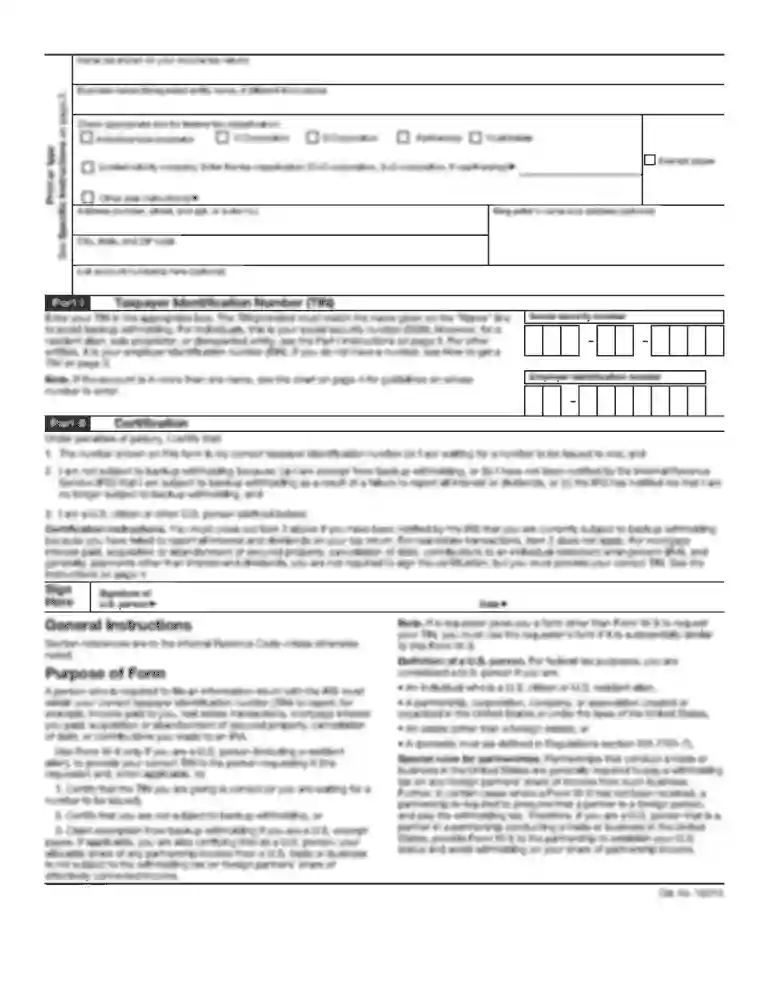
Type text, add images, blackout confidential details, add comments, highlights and more.

Draw your signature, type it, upload its image, or use your mobile device as a signature pad.

Send it via email, link, or fax. You can also download it, export it or print it out.
The Exempt Volume Transferor Certificate is a specialized form used to declare an individual's status as a 'Volume Transferor' exempt from 1099 reporting requirements. This designation is governed by IRS regulations and is critical for those involved in significant transactions involving the sale or exchange of property. The certificate provides evidence that the transferor meets specific criteria delineated by the IRS, which generally involve transactions exceeding 25 units sold to different transferees within a specific timeframe.
The primary purpose of this certificate is to facilitate compliance with tax reporting obligations by ensuring that certain volume transactions are exempt from form 1099 reporting. This is particularly important for entities that regularly engage in sizable exchanges or sales that meet the IRS's stipulated parameters for exemption.
Holding an Exempt Volume Transferor Certificate can significantly reduce the administrative burden associated with 1099 form filings. It serves as a declarative tool that both simplifies and legitimizes the process for those who qualify as exempt, ensuring that they remain in compliance with federal tax laws while avoiding unnecessary paperwork.
Using the Exempt Volume Transferor Certificate effectively requires understanding its purpose and the regulatory requirements it satisfies. Once obtained, this certificate should be retained as evidence of the transferor's status and presented upon request during transactions that fall under the exempt criteria.
A real estate firm that frequently sells or exchanges portions of large properties may constantly exceed the sale threshold. By holding a valid Exempt Volume Transferor Certificate, they can streamline their operations, focusing on growth and transaction management without the added burden of repeated tax form submissions.
Completing the Exempt Volume Transferor Certificate involves several key steps that are essential for ensuring legal compliance and correctness in reporting.
Consider a scenario where an individual is transferring multiple real estate investment units across various parcels. The individual should ensure that each unit and recipient is documented, and all respective sections of the certificate are completed to reflect these transactions accurately.
Eligibility for the Exempt Volume Transferor Certificate is based on specific criteria that align with IRS regulations. Understanding these criteria is crucial for determining whether a business or individual qualifies for this exemption.


Ensuring that one’s business practices align with these criteria is pivotal, as misuse or misrepresentation in claiming exemption status can lead to significant legal and financial repercussions.
Several essential documents are required in support of an Exempt Volume Transferor Certificate to substantiate the claims being made and provide robust documentation for IRS compliance.
Real estate sales often require deeds and transfer agreements, while art sales might require provenance documents and sale receipts as supporting evidence alongside the certificate itself.
Adherence to IRS Guidelines is a critical component of utilizing the Exempt Volume Transferor Certificate correctly. These guidelines ensure that the certificate serves its intended purpose while maintaining compliance with federal tax regulations.
Failure to comply with IRS guidelines can result in penalties, audits, or revocation of exemption status, emphasizing the importance of diligent adherence to regulatory standards.
Non-compliance with the requirements of the Exempt Volume Transferor Certificate can lead to significant penalties. Understanding these implications is vital for any entity claiming exemption.
Legal consequences might include civil suits for false declaration or misrepresentation of status, particularly if intentional non-compliance is determined by the IRS.
The certificate is predominantly utilized by entities engaged in large-scale property or high-volume asset transactions. Understanding who typically uses this certificate can guide its implementation.


In real estate, a firm developing a mixed-use property that involves multiple unit sales to different buyers might utilize the certificate to streamline tax reporting obligations. Art galleries facilitating sales of large collections could similarly justify their exemption status through this certificate.
These blocks provide a comprehensive, structured approach to understanding, obtaining, and utilizing the Exempt Volume Transferor Certificate, ensuring clarity and compliance with IRS regulations.
We've got more versions of the Exempt Volume Transferor Certificate form. Select the right Exempt Volume Transferor Certificate version from the list and start editing it straight away!
| Versions | Form popularity | Fillable & printable |
|---|---|---|
| 2012 | 4.9 Satisfied (32 Votes) |
At DocHub, your data security is our priority. We follow HIPAA, SOC2, GDPR, and other standards, so you can work on your documents with confidence.