





Definition and Meaning
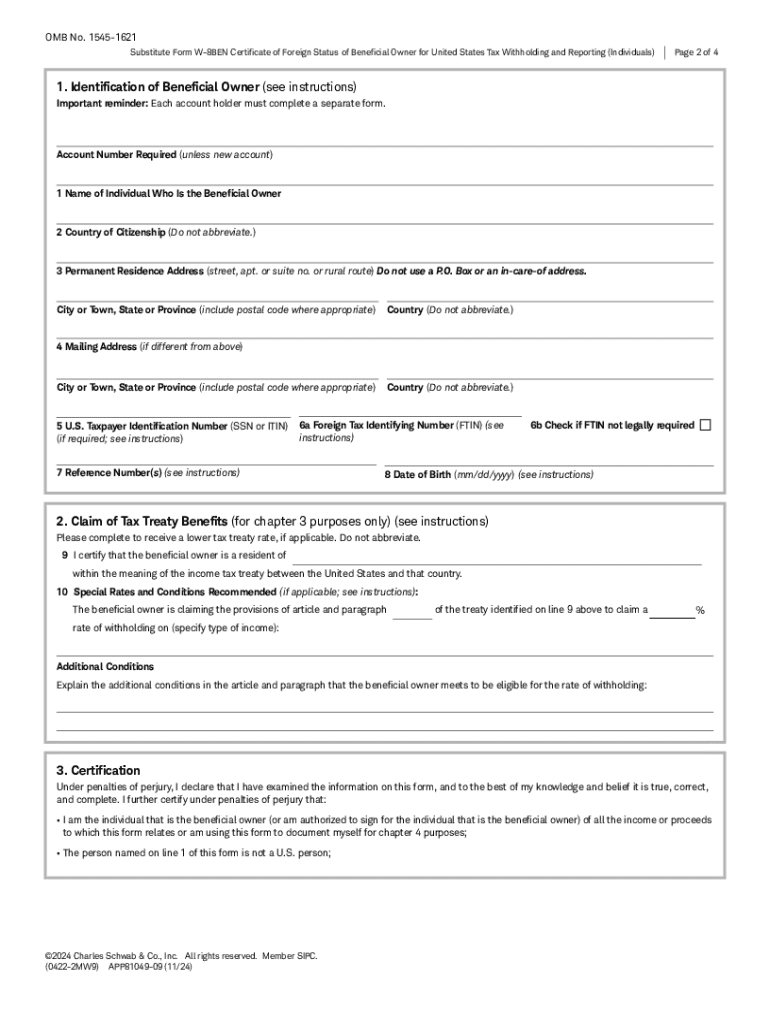
The term "form online" refers to digital documents that can be created, filled, and submitted via internet platforms. These forms eliminate the need for physical paperwork, offering a streamlined method for data collection and processing. Online forms are prevalent across various domains ranging from tax filing, applications, registrations, to survey responses. They are integral to digital workflows by facilitating efficient communication and record-keeping.
How to Use the Form Online
To use a form online, start by accessing it through a reliable website or platform that hosts the form you need. Typically, users are required to:
- Locate the specific form based on your needs.
- Ensure compatibility with your browser to avoid technical issues during the filling process.
- Enter the required information directly into the form fields, following any provided instructions for data input.
- Review the completed form to ensure all fields are accurately filled before submission.
Steps to Complete the Form Online
Completing an online form involves a series of steps designed to ensure thorough input and submission:
- Identify the required form: Determine the specific form needed for your task or inquiry.
- Gather necessary information: Collect all details that must be entered into the form, such as personal data, financial records, or any attachments required.
- Fill out the form: Carefully enter information into each field. Use dropdowns, checkboxes, and text fields as supplied.
- Review your entries: Double-check all fields to confirm accuracy and completeness.
- Submit the form: Submit the completed form through the designated online submission button or link.
- Confirmation: Await confirmation, whether via email or a direct web message, indicating successful submission.
Why You Should Use Form Online
Utilizing online forms offers numerous advantages:
- Efficiency: Faster processing and submission compared to paper forms.
- Accuracy: Opportunities for real-time error correction and validation.
- Accessibility: Forms can be accessed and submitted from any location with internet connectivity.
- Environmentally friendly: Reduces paper usage and storage needs.
These benefits make online forms a practical choice for both individuals and organizations.
Legal Use of the Form Online
Online forms are legally recognized tools when completed accurately and submitted through secure channels. They uphold compliance through:
- Encryption: Protects users' data privacy and maintains confidentiality.
- Regulations: Follow legal standards outlined by organizations such as the IRS or local governments, depending on the form's purpose.
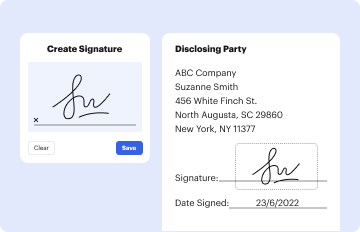
- Electronic Signatures: Legally binding when complying with laws such as the ESIGN Act in the U.S.
Using these forms correctly can minimize legal risks and ensure valid submissions.
Key Elements of the Form Online
When filling out an online form, recognize these key elements:
- Form Fields: Spaces allocated for specific data entries like name, address, or social security number.
- Instructions: Guidelines provided within the form to aid in accurate and complete submissions.
- Submission Button: Clickable element that sends the form for processing.
- Help and Support: Contact information for technical or subject matter assistance.
- Security Features: Indications such as HTTPS in the URL ensure safe transmissions.
Conscious interaction with these components can lead to efficient and reliable form handling.
State-Specific Rules for the Form Online
Certain forms may have variances based on state regulations:
- Tax Forms: Different submission deadlines or forms depending on state tax laws.
- Business Registrations: State-specific requirements for incorporation or licenses.
- Reporting Obligations: Variations in reporting different data or using distinct forms across states.
Consulting local guidelines and resources ensures compliance with relevant state stipulations.
Examples of Using the Form Online
Consider these real-world scenarios to understand the practical application of online forms:
- Tax Filing: Individual taxpayers utilizing online platforms for submitting federal or state tax returns.
- Job Applications: Applicants filling out digital forms to apply for positions across industries.
- Customer Feedback: Businesses collecting client experiences and suggestions through web-based survey forms.
These diverse use cases illustrate the flexibility and wide applicability of online forms across different contexts.