01. Edit your form online
Type text, add images, blackout confidential details, add comments, highlights and more.

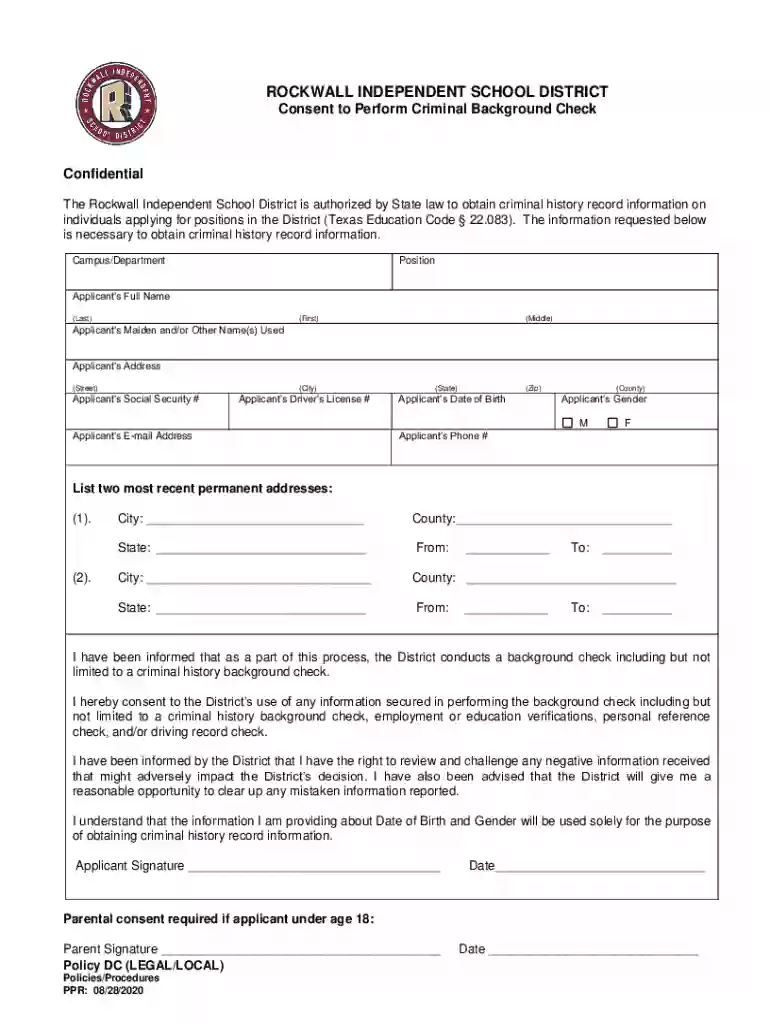
Type text, add images, blackout confidential details, add comments, highlights and more.

Draw your signature, type it, upload its image, or use your mobile device as a signature pad.

Send it via email, link, or fax. You can also download it, export it or print it out.
The term "Texas Public RecordsStateRecords" pertains to documents and information that are maintained by the state of Texas and accessible to the general public. These records encompass a wide array of categories, including but not limited to criminal records, birth and death certificates, property records, court documents, and various licenses. State laws mandate that certain records be available for public access to ensure transparency and accountability in government operations, although there are restrictions on access to sensitive or personal information.
Public records serve multiple purposes, from allowing citizens to verify the background of individuals and businesses, to providing researchers with historical data. Applications for jobs, legal proceedings, and property transactions often require access to these records to verify information or establish background history. It's important to note that while many records are accessible, some may have privacy restrictions based on the nature of the data contained within them.
Using Texas Public RecordsStateRecords involves a systematic approach to accessing and interpreting the various types of information available. Individuals can leverage these records to accomplish a range of objectives such as verifying legal status, conducting due diligence, or performing genealogical research. Access typically begins by identifying the specific type of record required, which guides where and how it can be obtained.
Different methods exist for accessing these records, depending on the type. For instance, online portals provided by state agencies might offer digital access to certain records, while others might require physical visits to government offices. It's important to consult the relevant agency's guidelines or website to understand the process and any associated fees. When using the records for formal or legal purposes, it's advisable to ensure that the source is official and that the information is up-to-date and accurate.
Obtaining Texas Public RecordsStateRecords involves a combination of online and manual processes, depending on the type and sensitivity of the records. Many records are available online through state-run portals or third-party services that aggregate public data, providing a convenient means of access. Users typically need to register on these platforms and may incur a fee to retrieve certain types of records.
For records not available online, individuals must contact the relevant state agency. This often involves filling out a request form, which can sometimes be submitted electronically, via mail, or in person. Required information generally includes the specific record being sought, any known details (such as the names and dates involved), and the requester's contact information. Compliance with any prescribed processes and the provision of identification or proof of eligibility may be necessary for successful access.
Public records within Texas encompass several key elements that define their utility and governance. These include the type of information contained within records, the governing laws that determine access and privacy, and the agencies responsible for maintaining and providing these records.
Identify the Record: Determine the specific type of record you need, such as marriage licenses, property deeds, or criminal history.
Locate the Appropriate Agency: Each type of record is maintained by different agencies, like the Texas Department of Public Safety for criminal records or the Bureau of Vital Statistics for birth and death certificates.
Submit a Request: This might involve completing an online form or mailing a request form to the relevant agency. Include as much detail as possible to facilitate the search.
Provide Identification: Some requests may require you to submit identification or proof of eligibility to access certain records.
Pay Any Required Fees: Most agencies charge a fee for processing records, which can vary depending on the type of record and the detail of the search.
Receive the Record: Records can be provided digitally or in hard copy, depending on your request and the agency's provisions.
The legal use of Texas Public RecordsStateRecords is governed by defined statutes to ensure that access to information does not violate privacy or misuse sensitive data. Proper utilization includes using records for personal verification, business compliance, research, and legal proceedings. Accessing and using these records responsibly means adhering to guidelines that prevent data misuse, identity theft, and unauthorized disclosure of information.
Legal professionals, businesses, and individuals may use these records for purposes such as verifying the legitimacy of business partners, conducting background checks, or gathering evidence for litigation. Misuse of public records, particularly sharing or selling data in violation of privacy laws, can result in legal penalties.
Texas has unique regulations regarding public records that align with its emphasis on transparency and privacy. The Texas Public Information Act establishes the framework for accessing public records, stating that all government information is presumed available to the public, with some exceptions to protect privacy and security.
Understanding these rules helps in efficiently procuring the needed records while ensuring compliance with legal parameters.
There are varied scenarios in which Texas Public RecordsStateRecords can be applied effectively:
These examples illustrate the versatility and importance of public records in personal, commercial, and legal contexts.
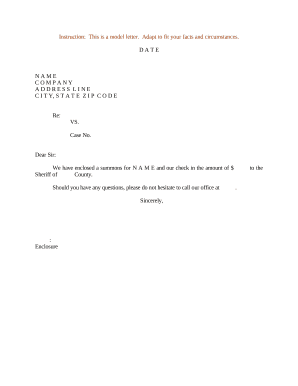
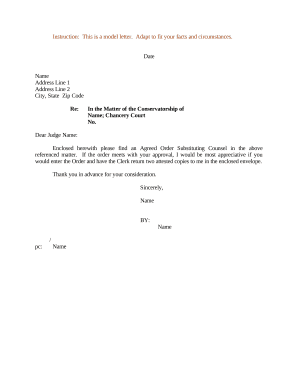
We've got more versions of the Texas Public RecordsStateRecords form. Select the right Texas Public RecordsStateRecords version from the list and start editing it straight away!
At DocHub, your data security is our priority. We follow HIPAA, SOC2, GDPR, and other standards, so you can work on your documents with confidence.