






Definition and Meaning
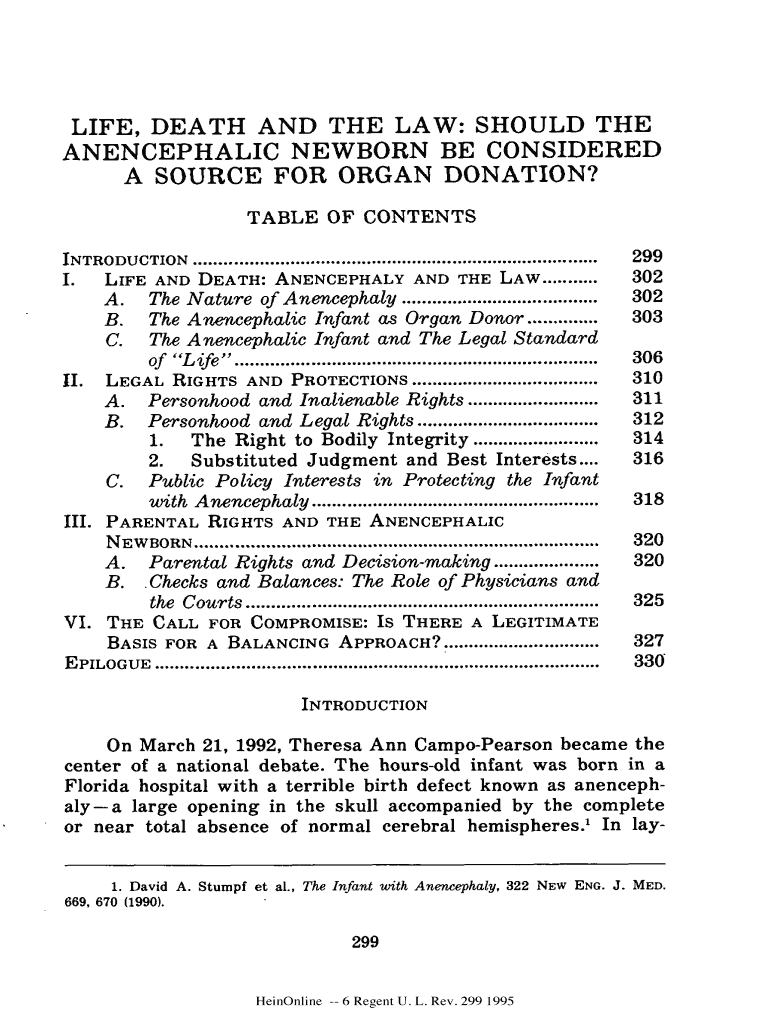
Exploring the implications of "Life, Death, and the Law" requires a nuanced understanding of the ethical, legal, and medical concepts involved. The phrase often delves into complex discussions about when life begins and ends, what constitutes personhood, and how laws interpret these notions. This field examines ethical considerations, like organ donation from newborns with fatal conditions, to assess how laws align with or challenge cultural and medical definitions.
How to Use "Life, Death, and the Law: Should The"
When engaging with the topic, the content typically serves as a framework for understanding sensitive issues like end-of-life care, organ donation decisions, and legal rights surrounding life and death. The discussion is instrumental in medical ethics courses, legal studies, and policy-making, providing guidelines for forming lawful and ethical approaches in challenging scenarios.
Steps to Complete the "Life, Death, and the Law: Should The"
- Understand Key Concepts: Familiarize yourself with fundamental definitions involving life, death, and legal interpretations.
- Research Case Studies: Analyze notable cases like Baby Theresa to understand the practical applications of these concepts.
- Legal Framework: Study the relevant laws and court rulings, including those of the Florida Supreme Court.
- Ethical Principles: Review the ethical arguments surrounding life and death issues, notably those opposing a utilitarian approach.
- Application of Knowledge: Consider hypothetical scenarios and apply your understanding to potential real-world situations.
Legal Use of the "Life, Death, and the Law: Should The"
This domain explores how laws interact with life and death decisions. Issues like the legality of declaring a person deceased for organ harvesting purposes are at the forefront. The discussions consider past legal rulings, their implications on current laws, and how individuals’ rights are protected under U.S. jurisdiction.
Key Elements of the "Life, Death, and the Law: Should The"
- Definitions of Life and Death: How these terms are understood within legal contexts.
- Ethical Considerations: The moral arguments for and against decisions like organ donation from anencephalic infants.
- Parental Rights vs. Societal Needs: Balancing individual rights with collective benefits.
- Personhood and Rights: Debating when rights are conferred upon an individual.
- Legal Precedents: Analysis of court decisions impacting these discussions.
State-Specific Rules for the "Life, Death, and the Law: Should The"
Laws on life, death, and related topics differ across states. While some states have strict definitions and protocols, others may offer more flexibility or alternative approaches. For instance, Florida's specific rulings emphasize individual personhood and rights in defining death, impacting organ donation policies.
Examples of Using the "Life, Death, and the Law: Should The"
- Baby Theresa Case: Demonstrates legal challenges in defining life and allowing organ donation.
- Court Rulings: State and federal rulings highlight differences in legal interpretations.
- Hypothetical Scenarios: Used in academic settings to challenge students' understanding of complex legal and ethical issues.
Disclosure Requirements
Disclosure of pertinent and sensitive information related to life and death decisions is critical. Legal frameworks often require transparency to ensure ethical decision-making. This might involve comprehensive documentation, informed consent, and adherence to legal standards to protect involved parties' rights.
Eligibility Criteria
Not everyone may engage with legal processes related to life and death debates. Only affected parties, such as immediate family members or designated healthcare proxies, may have standing in legal contexts. Determining eligibility often requires proving a direct interest or impact from the legal decision being made.


Application Process and Approval Time
In scenarios where legal application is necessary, the process typically involves:
- Submission of Relevant Documents: Proving eligibility and interest in the case.
- Legal Deliberation and Review: Courts or legal bodies assess the merits of the application.
- Resolution: Deciding the legal standing or outcome, possibly entailing a defined time for appeal or further action. The duration varies based on the complexity and jurisdiction of the case.