






Definition & Meaning
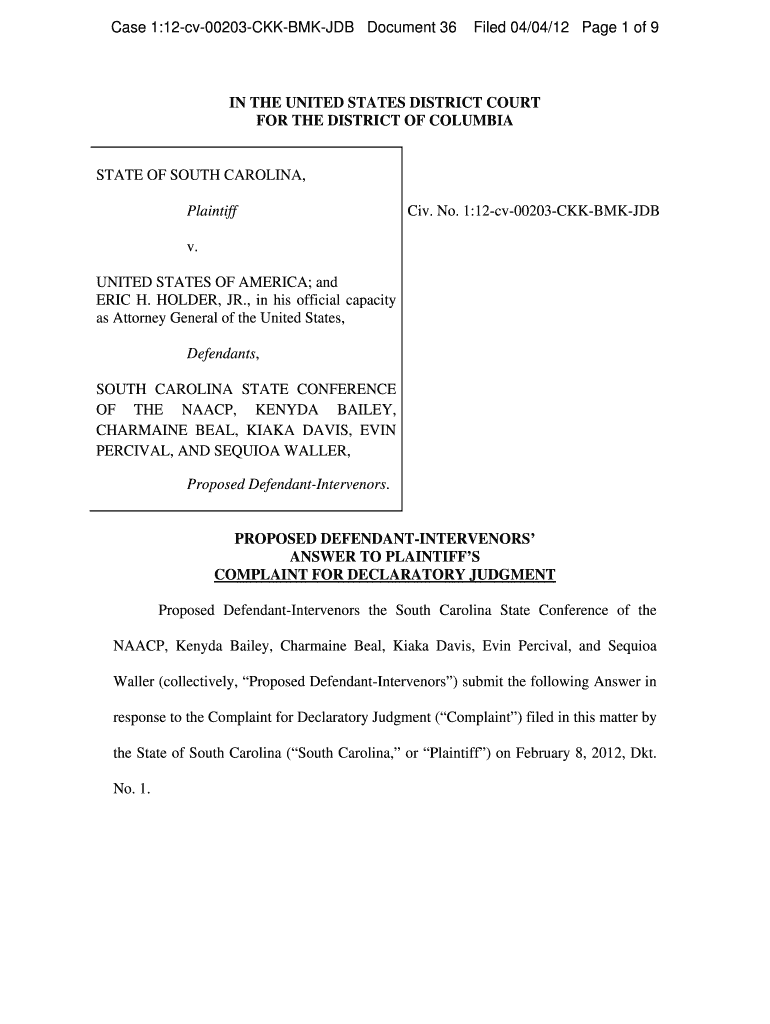
The "Answer to Complaint for Declaratory Judgment - Moritz College of Law" is a legal document that serves as a formal response to a lawsuit seeking a declaratory judgment. This response typically outlines the defendant's position, admitting or denying the allegations put forth in the complaint. The document aims to clarify the facts and legal arguments from the defendant's perspective and may include counterclaims or defenses. Such answers are crucial in shaping the direction of the litigation process by stipulating areas of agreement and contention between the parties involved.
How to Use the Answer to Complaint for Declaratory Judgment
When utilizing the Answer to Complaint for Declaratory Judgment, begin by carefully reviewing the original complaint. This step ensures that each allegation is appropriately addressed in the response. The defendant should clearly admit, deny, or state insufficient knowledge to respond to each allegation. The document should also include any defenses or counterclaims against the plaintiff. It is vital that this answer adheres to court rules and deadlines to prevent any procedural issues.
Key Considerations
- Review the complete complaint document for accuracy.
- Address each allegation individually.
- Include affirmative defenses and any relevant counterclaims.
Steps to Complete the Answer to Complaint for Declaratory Judgment
- Identify Allegations: Begin by identifying each allegation made in the complaint.
- Formulate Responses: Prepare responses that either admit, deny, or state a lack of sufficient information for each allegation.
- Draft Defenses: Include any applicable legal defenses to the allegations.
- Counterclaims (if any): Outline any counterclaims against the plaintiff.
- Review and Finalize: Ensure all responses meet the necessary legal standards and court requirements.
- Submit the Document: File the completed document with the court and serve a copy to the opposing party within the stipulated deadline.
Key Elements of the Answer to Complaint for Declaratory Judgment
The Answer to Complaint for Declaratory Judgment should contain several essential components:
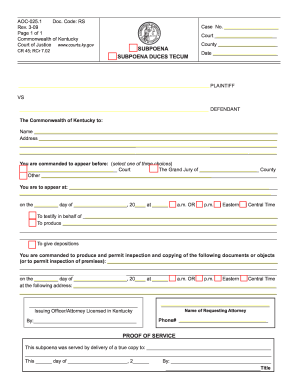
- Header Information: Court name, case number, and involved parties.
- Statement of Facts: Responses to each specific allegation made in the complaint.
- Defenses: Legal defenses that justify the actions or refute the plaintiff's claims.
- Counterclaims: Provide any claims against the plaintiff, if applicable.
Legal Use of the Answer to Complaint for Declaratory Judgment
In the context of legal proceedings, this form serves as a formal rebuttal to a complaint seeking a declaratory judgment. Responding accurately and within the deadline is vital to ensure that the defendant's rights are protected. The document can also serve to introduce new facts or legal theories that support the defendant's position, thus affecting the overall trajectory and strategy of the case.
Important Terms Related to the Answer to Complaint for Declaratory Judgment
- Declaratory Judgment: A court statement that determines the rights of parties without ordering any specific action or awarding damages.
- Allegation: An assertion made by a party in a case, pending proof.
- Defendant: The party responding to the complaint.
- Affirmative Defense: A defense that, if proven, negates or mitigates liability even if the allegations are true.
State-Specific Rules for the Answer to Complaint for Declaratory Judgment
Different states may have distinct procedures and requirements for filing an Answer to a Complaint for Declaratory Judgment. It is essential to adhere to state-specific rules on format, filing deadlines, and service requirements. Consulting state judiciary websites or legal counsel for guidance on these provisions can help ensure compliance with local legal standards.
Examples of Using the Answer to Complaint for Declaratory Judgment
A practical example is a case where a state government enacts a voter ID law, and a civil rights group files a complaint alleging that the law violates federal statutes. The group responding to this complaint might argue that the law is consistent with previous legal standards and does not infringe on voting rights. This response would typically include detailed factual and legal defenses against each point raised in the original complaint, highlighting any misinterpretations or omissions by the plaintiff.