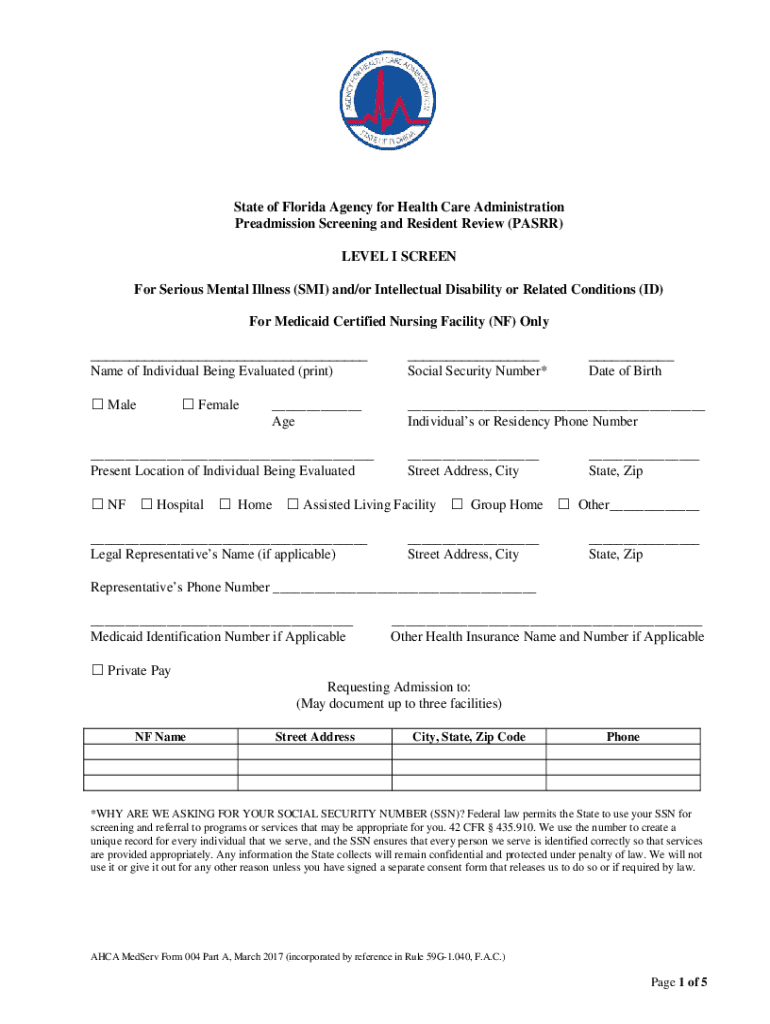







Definition and Purpose of Online Forms
Online forms are digital documents designed to collect, update, and manage information through electronic means. They serve various purposes, from gathering customer feedback to processing transactions. Online forms streamline data collection and simplify workflow, offering functionalities such as automated data entry, storage, and retrieval. They allow users to easily input data, ensuring accuracy and efficiency in information management.
Advantages of Using Online Forms
- Accessibility: Online forms can be accessed and filled from any device with an internet connection, making them convenient for users in different locations.
- Efficiency: Automated processes reduce manual intervention, speeding up data collection and processing.
- Cost-effective: Digital forms cut down on paper and printing costs, aligning with environmentally friendly practices.
- Scalable: Suitable for small-scale surveys to large organizational data gathering needs.
Examples of Online Forms in Use
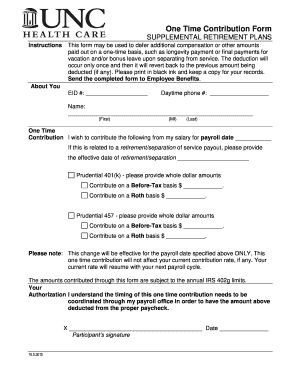
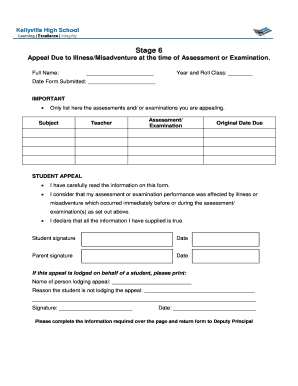
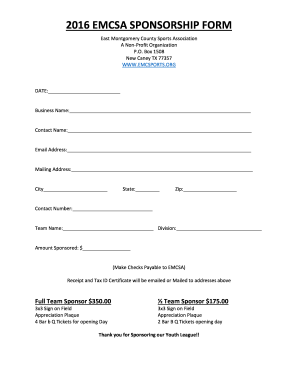
Online forms are prevalent in various sectors. For example, healthcare providers use them for patient intake and consent forms, while educational institutions utilize them for registration and evaluations. In business, online order forms facilitate transactions and capture customer details efficiently.
How to Use and Access Online Forms
Online forms are typically hosted on websites or via document management platforms like DocHub. Users can access them through a direct URL or embedded link in an email or website. To use an online form, individuals need to:
- Access the Form: Click on the provided URL or scan a QR code if available.
- Fill Required Fields: Enter the necessary information into designated text boxes, checkboxes, or dropdown menus.
- Review Entries: Ensure all fields are correctly filled to avoid submission errors.
- Submit the Form: Click the submit button to send data to the server or document management system.
Software and Device Compatibility
Online forms are designed to work seamlessly across different devices and platforms. Compatible with both desktop and mobile browsers, they ensure users experience no disruption, regardless of their device. Platforms like DocHub enhance this compatibility through integrations with cloud services like Google Drive and popular software such as Microsoft Office.
Important Terms Related to Online Forms
Certain terms are essential to understanding the functionality and application of online forms:
- Form Field: A space where users provide specific data, such as names or email addresses.
- Dropdown Menu: A list of options from which users can select a single response.
- Encryption: Security measure ensuring data is protected during transmission and storage.
- Authentication: Process that verifies user identity before gaining access to the form.
Security and Privacy Considerations
Security is paramount for online forms, especially when handling sensitive data. Platforms like DocHub implement advanced encryption technologies and authentication protocols to protect user data, maintaining compliance with privacy regulations.
Key Elements of an Online Form
An effective online form includes several core elements designed for user engagement and data accuracy:
- User-friendly Design: Intuitive layout and clear instructions enhance user experience.
- Relevant Fields: Ensure only necessary information is collected to maintain focus and efficiency.
- Validation Rules: Implement checks to ensure data accuracy and completeness.
- Adaptive Features: Dynamic sections that appear based on user input, streamlining the process.
Designing an Effective Form
Balancing aesthetics and functionality is key. A well-designed form encourages completion and minimizes user errors. It should include conditional logic to simplify steps based on the user’s previous answers, and clear error messages for incorrect entries.
Legal Usage of Online Forms
Online forms can be legally binding and are recognized under laws like the ESIGN Act in the U.S., which gives electronic signatures the same legal standing as handwritten ones. Functionalities for authenticating signatories ensure compliance with legal requirements.
Considerations for Legal Compliance
- Explicit Consent: Online forms should include consent checkboxes for user acknowledgment.
- Audit Trails: Maintain a record of form submissions, amendments, and signatory details.
- Regular Updates: Ensure content and terms comply with current legal standards.
Collecting Electronic Signatures
Electronic signatures offer a secure method for validating online form submissions. Users can sign forms through various methods, including drawing with a mouse or uploading a signature image. These signatures are stored securely and can be reused for future transactions.
Best Practices for Electronic Signatures
- Ease of Use: Ensure signature tools are user-friendly and accessible on all devices.
- Security Measures: Enforce encryption to protect signature data.
- Retention Policies: Store signatures in compliance with data protection regulations.
Submission Methods and Deadlines
Online forms can be submitted electronically, offering immediate confirmation to users. Different submission methods may apply, depending on the form’s nature or the issuing authority’s stipulations.
Tracking and Confirmation
- Email Notifications: Automated messages confirming submission receipt and status updates.
- Deadline Alerts: Notifications for impending submission deadlines to ensure timely completion.
- Follow-Up Reminders: Encourage users to complete and submit forms within set timeframes.
State-Specific Rules and Regulations
Some forms have tailored requirements depending on state regulations. Understanding these distinctions ensures compliance with local laws and avoids potential legal issues.
Addressing State Variations
- Local Legislation: Stay informed about regional legal requirements.
- Adaptability: Design forms that account for state-specific information fields.
- Resource Availability: Provide access to state resources or contacts for additional information.
In conclusion, leveraging online forms effectively involves understanding their design, usage, and compliance intricacies. Platforms like DocHub simplify these processes, offering users a reliable and secure environment to manage their document workflows.