




Definition and Meaning of "Form Online"
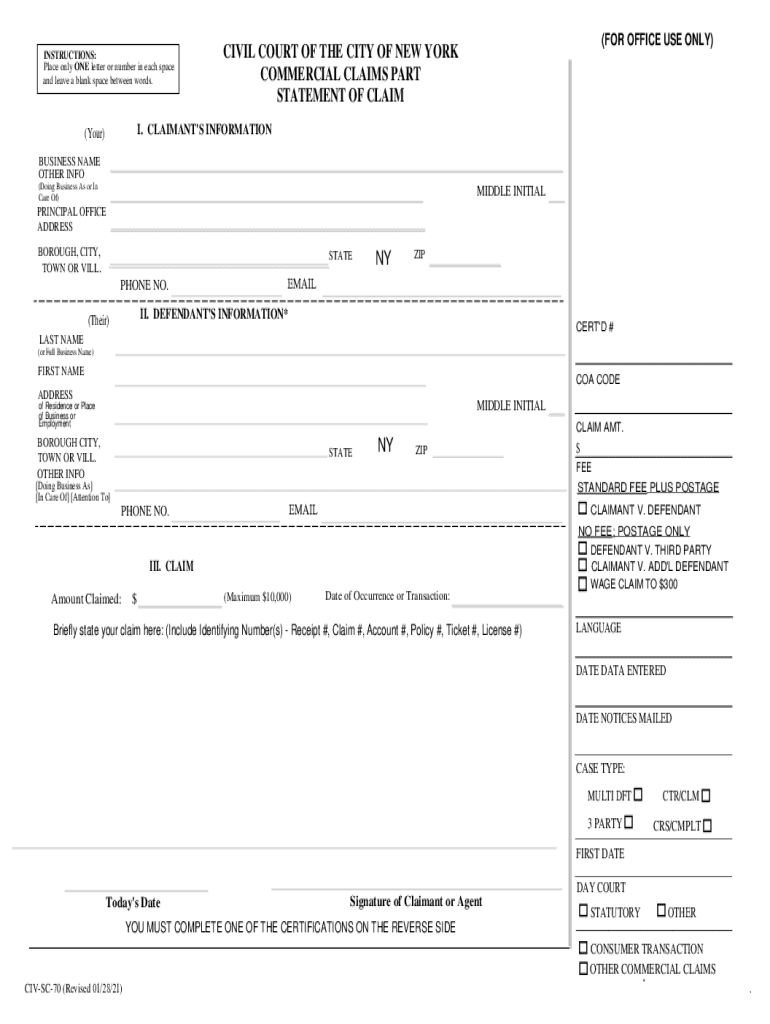
The term "form online" refers to documents that are created, edited, and submitted via an internet-based platform, eliminating the need for physical paper forms. This process facilitates efficient data entry and transmission, allowing individuals and organizations to handle various administrative, legal, or financial tasks remotely and at their convenience. Online forms often include interactive components such as text fields, checkboxes, and dropdown menus, enabling users to enter information directly on the web interface.
Core Features of Online Forms:
- Interactive Fields: Enable direct input and selection of options.
- Automated Calculations: Perform calculations within the form based on user inputs.
- Conditional Logic: Display certain fields based on previous responses for a streamlined experience.
How to Use the Form Online
Using a form online requires understanding the platform's functionalities and the specific requirements of the form. Most platforms, like DocHub, offer tools that make this process straightforward.
- Access the Form: Navigate to the desired online form through a web browser or cloud-based service.
- Fill Out Required Fields: Input information into mandatory fields, ensuring accuracy.
- Save Progress: Frequently save the document to prevent data loss.
- Submit or Share: Once completed, use the platform's submission feature to send or share the form with relevant parties.
Additional Tips for Efficient Use:
- Read Instructions Thoroughly: Most forms include guidance on how to complete them correctly.
- Check for Required Attachments: Attach any necessary documents as specified.
- Review Before Submission: Double-check all entries to ensure correctness and completeness.
How to Obtain the Form Online
Access to online forms is typically straightforward, with several methods available depending on the platform or organization providing the form.
- Direct Download: Access the form directly from a website or portal.
- Email Request: Some organizations may send a link to the form upon request.
- Cloud-Based Services: Use platforms like Google Drive or Dropbox to retrieve forms shared with you.
Locating Forms:
- Government Websites: Many legal or tax-related forms are available on official government websites.
- Corporate Portals: Employee forms often reside within company intranet sites or HR portals.
- Vendor Platforms: Many service providers offer online forms as part of their client interface.
Steps to Complete the Form Online
Here are general steps for efficiently completing a form online using platforms like DocHub:
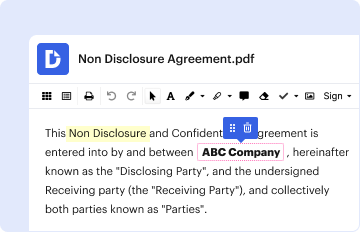
- Open the Form: Access it via a compatible web browser or app.
- Fill Out Personal Information: Start with your contact details and any other personal identifiers.
- Complete Relevant Sections: Use annotation and editing tools to add necessary details.
- Attach Documents: Upload files if required.
- Review and Validate: Use the form’s validation tools to check for errors.
- Submit Form: Follow the platform’s instructions to officially send the form.
Tools for Better Completion:
- Spell Check: Ensure accuracy of entered data.
- Validation Features: Highlight incomplete or incorrect sections.
- Field Autofill: Use stored information to quickly populate fields.
Important Terms Related to Form Online
Familiarity with specific terminology associated with online forms can enhance user experience and accuracy in form completion.
Key Terms:
- Fillable Fields: Designated areas for inputting information.
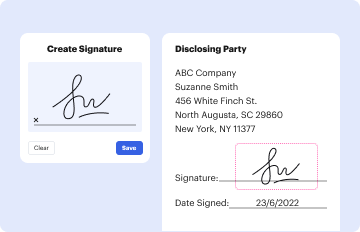
- Signature Field: A section for inserting a digital or electronic signature.
- File Attachments: Additional documents uploaded to accompany the form.
Understanding Terminology:
- Digital Signature: A secure method for signing an online form that ensures authenticity.
- Data Encryption: Protects sensitive information entered into the form.
- Interactive Form: A form designed to adapt based on user input.
Legal Use of the Form Online
The legal use of forms online involves ensuring that the form complies with relevant laws and regulations, ensuring its enforceability and acceptance.
- Compliance with ESIGN Act: Ensures electronic signatures are legally binding.
- Data Protection Laws: Adherence to regulations such as GDPR or CCPA protecting personal data.
- Authenticity Verification: Processes for confirming the identity of the person submitting the form.
Ensuring Legality:
- Secure Platforms: Choose platforms that offer strong data protection and compliance certifications.
- Document Authentication: Verify the document’s origin and integrity.
- Keep Records: Save copies of completed forms and submission confirmations.
Examples of Using the Form Online
Examples highlight how online forms serve various purposes across different sectors:
- Job Applications: Simplifies submission and review of candidate applications.
- Customer Feedback: Collects customer opinions efficiently through surveys.
- Legal Filings: Expedites submission of court forms and legal documents.
- Healthcare Intake: Gathers patient information prior to appointments.
Practical Applications:
- Education: Schools use online forms for student enrollment.
- Finance: Banks facilitate loan applications electronically.
- Government Agencies: Provide tax filing options and benefit applications online.
State-Specific Rules for the Form Online
State-specific rules can impact how forms online are structured, completed, or submitted. Being aware of these variations is crucial for compliance.
Considerations by State:
- Notary Requirements: Some states may require notarization, even on digital forms.
- Tax Regulations: States like California have specific forms for their tax systems.
- Legal Filings: Variations exist in how court documents are accepted and filed online.
Tailoring Forms to State Rules:
- Consult State Websites: Obtain the latest regulatory guidance.
- Adjust Form Features: Include state-specific fields or instructions as necessary.