Definition & Meaning
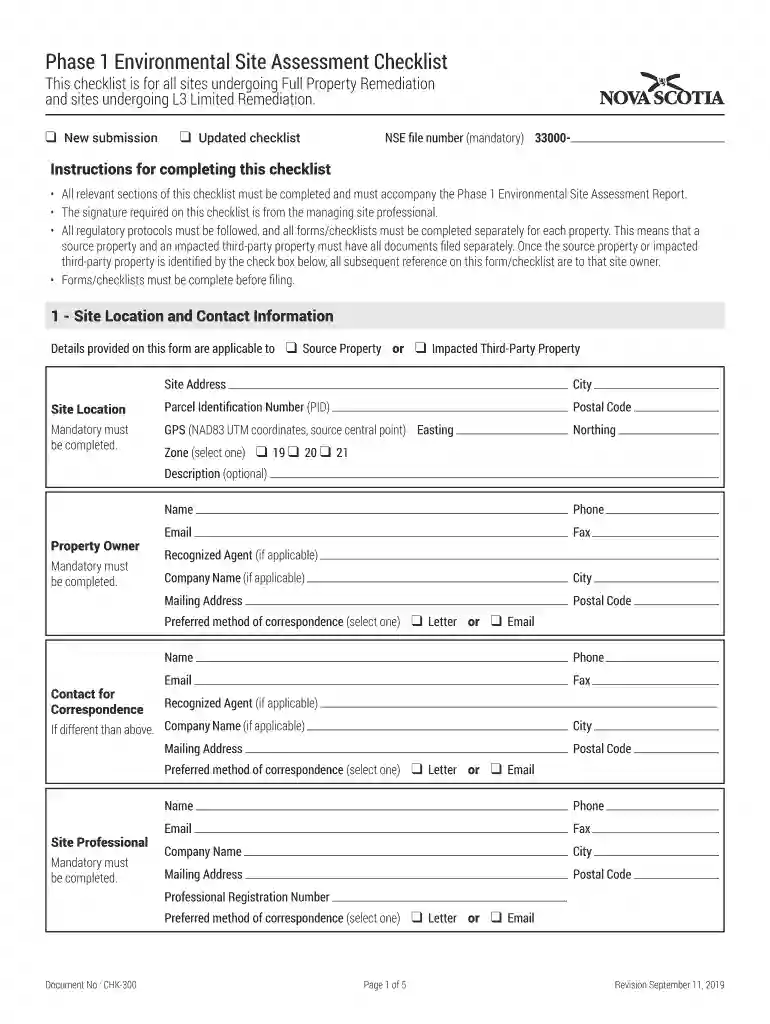
Environmental Site Assessment (ESA) for Limited Remediation is a critical process used to identify potential environmental contamination at a property that requires limited remediation efforts. The goal is to assess the environmental condition before conducting limited remediation activities and ensure compliance with regulatory standards. The ESA includes a detailed evaluation of historical land uses, potential contamination sources, and existing environmental conditions, which are documented in a structured checklist format to streamline the assessment process.
Components of the Assessment
- Historical Research: Reviewing previous land uses and ownership records to identify any activities that may have led to contamination.
- Visual Inspections: Conducting site visits to observe current conditions and any visible signs of contamination.
- Records Review: Analyzing environmental records, such as previous assessments, permits, and government databases, to gather relevant information.
- Sampling and Analysis: Collecting samples of soil, water, or air to test for pollutants and toxic substances.
How to Use the Environmental Site Assessment for Limited Remediation Checklist
Using the Environmental Site Assessment for Limited Remediation Checklist involves a systematic approach to document all necessary steps and observations pertinent to the site under evaluation.
Step-by-Step Process
- Site Identification: Precisely record the location and boundaries of the site, including GPS coordinates if available.
- Historical Usage Documentation: Document the historical uses of the property and any previous assessments or remediations conducted.
- On-Site Inspection: Conduct a thorough site inspection to note current site conditions and identify visible environmental concerns.
- Data Collection: Include observations from interviews with current or previous site personnels, neighboring property owners, and review of available regulatory databases.
- Completion of Checklist: Use the checklist to ensure that all points of investigation are addressed, providing a comprehensive overview of the site's environmental status.
Important Terms Related to the Environmental Site Assessment for Limited Remediation Checklist
Understanding the key terminology associated with the ESA checklist will enhance its effective use.
- Contamination: The presence of hazardous substances in the environment that may pose a risk to human health or the ecosystem.
- Remediation: The process of cleaning up polluted areas to meet regulatory requirements and ensure safety.
- Site Professional: A qualified individual with expertise in environmental assessments, typically with certifications in areas like geology or environmental engineering.
- Regulatory Compliance: Adhering to laws and regulations governing environmental safety and pollution control.
Key Elements of the Environmental Site Assessment for Limited Remediation Checklist
The checklist is structured to address several critical elements essential for a thorough environmental site assessment.
- Site Description: Detailed information about the property, including size, location, and physical characteristics.
- Records and Documentation: Copies of all documents reviewed during the assessment process, showing historical and current site uses.
- Site Inspection Findings: Recorded observations from on-site inspections, highlighting potential issues such as spills, waste deposits, or structural deteriorations that could contribute to environmental hazards.
- Sampling Results: Documented results of environmental sampling, including lab analysis reports that identify pollutants and their concentrations.
Legal Use of the Environmental Site Assessment for Limited Remediation Checklist
Conducting a legally compliant Environmental Site Assessment involves understanding and following specific regulatory requirements.
Compliance Requirements
- Regulatory Standards: Ensure the site assessment complies with federal, state, and local environmental laws, such as the Comprehensive Environmental Response, Compensation, and Liability Act (CERCLA).
- Documentation: Keep thorough records of all findings and assessment activities, as they might be required for legal verification or in case of disputes.
- Verification by a Qualified Professional: Utilize recognized testing and assessment techniques, and ensure a qualified site professional conducts the assessment, verifying that all information is accurate and comprehensive.
Steps to Complete the Environmental Site Assessment for Limited Remediation Checklist
Complete the checklist by following a guided and detailed process to document each aspect of the site assessment.
Detailed Breakdown of Steps
- Pre-Assessment Planning: Gather all necessary historical data and prepare the checklist in advance to ensure thorough coverage during the assessment.
- Conduct Physical Inspections: Visit the site to perform detailed inspections, documenting current conditions, and identifying any immediate environmental concerns.
- Data and Sample Analysis: Collect necessary samples, perform laboratory analyses, and interpret the results to evaluate the extent and nature of contamination.
- Report Compilation: Organize the findings into a comprehensive report, summarizing observations, data analyses, and any recommendations for remediation.
Examples of Using the Environmental Site Assessment for Limited Remediation Checklist
The checklist can be employed in various scenarios where environmental assessments are necessary.
Real-World Scenarios
- Transition of Industrial Lands: Before redeveloping a former industrial site into residential units, a thorough ESA using the checklist helps in identifying and addressing any legacy pollution.
- Sale of Commercial Property: The checklist is integral during property sales to ascertain that there are no outstanding environmental liabilities.
- Compliance Audits: Companies seeking to demonstrate ongoing compliance with environmental regulations may use the checklist as part of their internal audits and assessments.