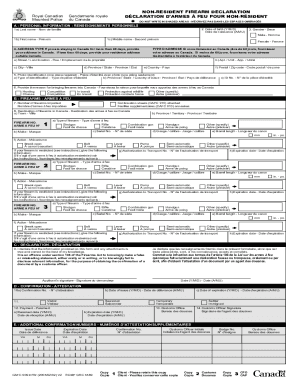
Definition and Purpose of Form
Form , identified with the expiration date "Expires 08-31-12," corresponds to the U.S. Citizenship and Immigration Services (USCIS) I-9 Form. This document is crucial for employers to verify the employment eligibility of individuals hired for jobs in the United States. The I-9 form ensures compliance with the Immigration Reform and Control Act of 1986, requiring employees to submit documents establishing both their identity and legal authorization to work.
How to Use Form
Employers and employees participate in completing the I-9 form during the hiring process. The employer is required to verify the information provided by examining documents that the employee presents. After verification, the employer must fill out the necessary section of the form to confirm the authenticity of the employee’s documents. Best practices involve completing the form by the employee's first day of work, and the employer must finish their section within three business days of the employment start date.
Key Sections
- Employee Information: Must include name, address, date of birth, and immigration status.
- Employer Review and Verification: Employers review documents validating the employee's identity and eligibility.
- Reverification and Rehiring: For legal updates or upon rehiring an employee.
Steps to Complete Form
- Fill Out Employee Information: The employee completes section one by providing personal data and signing the form confirming its accuracy.
- Documentation Submission: Employees provide physical documentation like a passport or driver’s license to establish identity and employment eligibility.
- Employer Verification: Employers verify authenticity by inspecting documents in the presence of the employee and complete section two.
- Retention and Storage: Employers must retain completed forms for all employees and store them securely for up to three years after the employee’s start date or one year after employment termination.
Who Typically Uses Form
Form I-9 is vital for all U.S. employers aiming to establish legal compliance regarding employment eligibility. It is commonly used by businesses across sectors, including hospitality, retail, corporate offices, and small businesses. Human resources departments, managers, and business owners are generally responsible for its implementation and adherence to regulatory standards.
Required Documents for Form
Documents are divided into three categories:
- List A: Establish both identity and employment authorization (e.g., U.S. Passport).
- List B: Establish identity only (e.g., Driver’s License).
- List C: Establish employment authorization only (e.g., Social Security Card).
Employees are required to submit one document from List A or one document each from List B and List C.
Legal Use and Compliance
Compliance with the I-9 form process is mandatory under U.S. law to prevent unauthorized employment. Employers must ensure the form is completed according to instructions and deadlines. Failing to comply may result in penalties, including fines. Employers are also obligated to not discriminate based on citizenship status or national origin during this process.
Penalties for Non-Compliance
Failure to comply with I-9 regulations can lead to severe penalties:
- Monetary Fines: Non-compliance can result in large fines per affected employee.
- Legal Action: Businesses may face legal challenges, potentially impacting operational integrity.
- Reputational Damage: Continued non-compliance could damage a company’s reputation and public standing.
Digital vs. Paper Version
While a paper version of the I-9 form is prevalent, digital solutions like DocHub facilitate an online process. This modern approach allows for:
- Secure Data Handling: Encrypting sensitive information ensures the safe handling of personal data.
- Automated Reminders: Help manage compliance deadlines.
- Electronic Signatures: Legally binding electronic signatures simplify the form completion process.