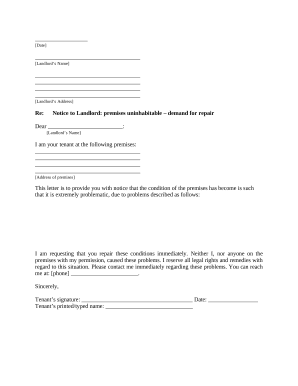
01. Edit your form online
Type text, add images, blackout confidential details, add comments, highlights and more.

Type text, add images, blackout confidential details, add comments, highlights and more.

Draw your signature, type it, upload its image, or use your mobile device as a signature pad.

Send it via email, link, or fax. You can also download it, export it or print it out.
A rubric template serves as a structured framework designed to evaluate the performance and quality of a task or project. It includes set criteria across various categories that allow for consistent and objective assessment. Rubrics are extensively used in educational scenarios, workplace environments, and project evaluations to detail expectations and provide clear standards against which performance can be measured.
Educational settings frequently employ rubric templates to assess students' projects or presentations. For instance, a science project rubric might evaluate criteria such as hypothesis precision, research quality, and experimental accuracy. In business, rubrics can be applied to evaluate proposals, ensuring that project submissions align with organizational goals.
When launching a new marketing campaign, a rubric can be used to assess the creativity, target audience alignment, content accuracy, and overall execution effectiveness of the proposals received from various teams.
Organizations may choose to customize these elements based on specific needs. For instance, a creative industry may place greater emphasis on innovation and originality, demanding more nuanced levels in the creativity category.



A nonprofit organization might develop a rubric to assess a service project's effectiveness, ensuring that the project's objectives align with their mission and deliver measurable community benefits.
Encourage transparency by sharing the rubric with those being evaluated. This helps set clear expectations and enhances the understanding of assessment criteria.
In the context of service projects, descriptors may include specific achievements like stakeholder engagement or resource management, ensuring evaluators are aligned in their understanding.
While rubrics are primarily used for assessment, it's important to note that they should adhere to any legal requirements pertaining to unbiased and fair evaluation, especially when used in hiring or promotions within corporate settings.
Rubrics in the U.S. often emphasize inclusivity and fairness, incorporating checks to prevent bias in evaluations. Organizations should ensure their rubrics do not inadvertently favor particular groups or perspectives.
Different industries adapt rubric templates to fit specific needs. For example, a healthcare provider may focus on patient outcomes and care quality, while an IT company might prioritize innovation and technical accuracy.
At DocHub, your data security is our priority. We follow HIPAA, SOC2, GDPR, and other standards, so you can work on your documents with confidence.