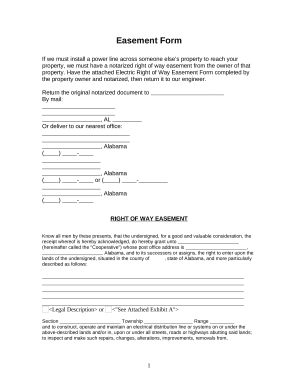
01. Edit your form online
Type text, add images, blackout confidential details, add comments, highlights and more.

Type text, add images, blackout confidential details, add comments, highlights and more.

Draw your signature, type it, upload its image, or use your mobile device as a signature pad.

Send it via email, link, or fax. You can also download it, export it or print it out.
The "SWPPP Stormwater Construction Site Inspection Report" is a specialized document used to evaluate and record the compliance of construction sites with stormwater management practices. SWPPP stands for Stormwater Pollution Prevention Plan, which is a critical component in ensuring that construction activities do not negatively impact water quality by implementing best management practices (BMPs) to control pollutants and manage runoff. This report helps in documenting corrective actions needed and certifies that the construction site is adhering to environmental regulations designed to prevent stormwater pollution.
Pre-Inspection Preparation: Gather necessary documents such as previous reports, maps, and the site's SWPPP. Review any specific concerns noted in earlier inspections.
Site Visit and Observation: Conduct a thorough inspection of the site, focusing on areas outlined in the SWPPP. Pay attention to drainage systems, potential erosion areas, and sediment controls.
Documentation: Note the weather conditions at the time of the inspection, as this can affect runoff and erosion. Document any deficiencies or areas that require corrective action in detail.
Evaluation of BMPs: Assess the effectiveness of existing BMPs. Ensure that sediment, erosion, and pollution control measures are in place and functioning properly.
Corrective Actions: Identify any instances of non-compliance and suggest corrective actions. Set a timeline for these actions to be completed.
Report Completion: Fill in all required sections of the form, ensuring to include your contact information, the date of inspection, and a detailed account of your findings.
Certification and Submission: Certify that the information is accurate and submit the report to the relevant authorities or responsible parties as required.
Inspection Summary: Includes an overview of findings, such as areas of compliance and non-compliance.
Weather Conditions: Descriptions of prevailing weather during the inspection period, which can influence runoff and erosion.
Site Diagrams: Visual representations of the site, highlighting key features such as drainage systems and sediment controls.
Corrective Actions: List of issues identified, accompanied by recommended corrective measures and timelines.
Certification of Compliance: Declaration that the inspection has been conducted according to regulatory standards and that the report accurately reflects site conditions.
Utilizing this report ensures compliance with federal, state, and local regulations regarding stormwater management. It assists construction site managers and environmental coordinators in identifying potential pollution sources and implementing measures to mitigate those risks. Moreover, consistent use helps in maintaining a record of compliance which can be crucial in the event of regulatory audits or inspections by environmental agencies.
The primary users include:
Construction Site Managers: Ensure compliance with stormwater regulations and oversee corrective actions.
Environmental Consultants: Provide expertise and third-party validation of site compliance.
Regulatory Agencies: Evaluate site adherence to environmental laws and ensure public waterways are not polluted by construction activities.


The report is required under the Clean Water Act, which mandates that construction projects disturbing one acre or more develop and implement a SWPPP. This ensures that potential discharges do not violate water quality standards. The report details the implementation status of the SWPPP, helping construction sites avoid penalties and fines associated with non-compliance.
While the basic framework of the SWPPP report is guided by federal regulations, specific requirements may vary by state. For example, some states might have different inspection frequencies or additional BMPs that need to be documented. Professionals should consult state-specific environmental protection agencies to understand these nuanced differences.
A construction company undertaking a project in Virginia used the report to document compliance during a major site expansion. By following the SWPPP guidelines and using the inspection report, they ensured minimal impact on nearby waterways, thus avoiding costly fines and maintaining their project timeline.
Depending on the state's requirements, the SWPPP Stormwater Construction Site Inspection Report can be submitted online through environmental agency portals, mailed to relevant departments, or submitted in person. Online submission is often preferred for its efficiency and immediate confirmation of receipt. However, companies should ensure they comply with the specific submission guidelines applicable to their jurisdiction.
At DocHub, your data security is our priority. We follow HIPAA, SOC2, GDPR, and other standards, so you can work on your documents with confidence.