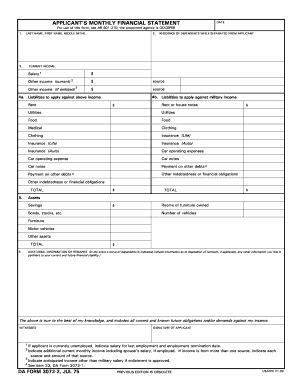
Definition and Meaning
The form "Stomach Cancer vs Stomach Ulcers: Differences in Symptoms" is designed to differentiate between the symptoms of stomach cancer and stomach ulcers. It aims to provide a clear understanding of how these two conditions present themselves in patients, as both can have overlapping symptoms. Recognizing these differences is crucial for medical professionals, patients, and caregivers to ensure proper diagnosis and treatment.
Explanation of Stomach Cancer
Stomach cancer, also known as gastric cancer, occurs when cancerous cells form in the lining of the stomach. Symptoms may include persistent stomach pain, unintended weight loss, difficulty swallowing, and feeling full quickly when eating. Understanding the insidious nature of stomach cancer and its progressive symptoms is vital for early detection and management.
Understanding Stomach Ulcers
Stomach ulcers, or peptic ulcers, are open sores that develop on the inner lining of the stomach. Common causes include infection with H. pylori bacteria and long-term use of NSAIDs. Symptoms often involve burning stomach pain, bloating, and nausea. Differentiating these from the symptoms of stomach cancer is essential for appropriate treatment and monitoring.
Key Elements of the Stomach Cancer vs Stomach Ulcers: Differences in Symptoms
Identifying the critical components of this form ensures comprehensive coverage of the symptoms and characteristics unique to each condition.
Symptom Overlap and Differences
- Pain Location and Quality: Stomach cancer may cause dull aching pain, while ulcers typically cause sharp, burning pain.
- Appetite and Weight Changes: Both can lead to appetite loss, but weight loss in stomach cancer is often more pronounced and rapid.
- Bleeding Symptoms: Both conditions can cause gastrointestinal bleeding, leading to black stools, but this is more common and severe in cancer cases.
Diagnostic Tests and Procedures
- Endoscopy: Both conditions can be identified via endoscopy, but the appearance of ulcers and cancerous growths will differ.
- Biopsy: Essential for confirming cancer diagnosis through tissue sample analysis.
How to Use the Stomach Cancer vs Stomach Ulcers: Differences in Symptoms
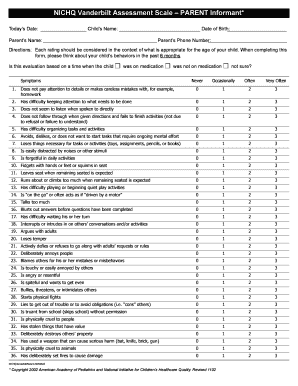
This form serves as a practical tool for medical assessments, allowing for a structured comparison of symptoms.
Clinical Application
- Patient Interviews: Use the form during patient consultations to ask targeted questions about their symptoms.
- Symptom Documentation: Document symptoms systematically to assist in differential diagnosis.
Training and Education
- Medical Staff Training: Educate healthcare providers on identifying symptoms and applying this knowledge in patient assessments.
- Patient Education: Provide patients with information to help them articulate their symptoms accurately.
Steps to Complete the Form
Completing the form involves a series of methodical steps to ensure thorough data capture and analysis.
- Patient Information Collection: Record personal and medical history.
- Symptom Assessment: Document specific symptoms, their frequency, and severity.
- Diagnostic History: Include previous tests, procedures, and outcomes.
- Follow-up Plan: Outline steps for further testing or specialist consultation if required.
Who Typically Uses the Stomach Cancer vs Stomach Ulcers: Differences in Symptoms
The form is utilized by a range of individuals and entities involved in healthcare and patient management.


Medical Professionals
- General Practitioners: For initial diagnosis and referral decisions.
- Gastroenterologists: For specialized evaluation and treatment planning.
Healthcare Facilities
- Hospitals and Clinics: In patient intake and triage processes.
- Research Institutions: To gather data for clinical studies and research on gastrointestinal conditions.
Examples of Using the Form
Real-world usage scenarios demonstrate the form's practicality in diverse settings.
Case Studies
- Primary Care Utilization: A family doctor uses the form to evaluate a patient with persistent gastric complaints.
- Specialist Consultation: A gastroenterologist employs the form to guide endoscopic investigation.
Educational Workshops
In medical education settings, the form can be integrated into workshops to teach symptom differentiation techniques.
Symptom Evaluation Scenarios
Exploring nuanced symptom presentations helps illustrate the form's applicability.
Common Scenarios
- Chronic Symptoms: A patient presents with chronic stomach pain; the form aids in deciding whether to pursue cancer diagnostics.
- Alarm Features: A case with alarming symptoms, such as severe anemia, where the form supports urgent investigation routes.
Legal Use of the Form
Ensuring compliant and ethical use of the form is essential in healthcare environments.
Confidentiality Concerns
- Patient Privacy: Utilize secure methods to handle and store patient data.
- Legal Compliance: Adhere to regulations such as HIPAA in the United States to protect patient information.
Adhering to these guidelines ensures effective and ethical utilization of the "Stomach Cancer vs Stomach Ulcers: Differences in Symptoms" form in healthcare settings, facilitating accurate diagnosis and improved patient outcomes.