





Definition & Meaning
Understanding the "form online" is essential for anyone looking to streamline document-related tasks. The term generally refers to digital forms that can be completed and submitted over the internet. These forms allow users to fill in their details electronically, eliminating the need for paper documents and facilitating a more efficient workflow. They are commonly used in various sectors like education, healthcare, business, and government to collect data quickly and accurately.
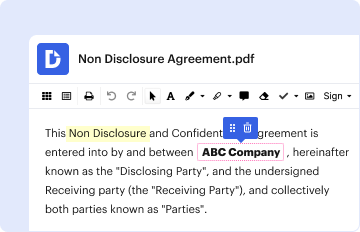
Digital forms are often interactive and may include features like drop-down menus, checkboxes, and fillable fields to guide the user in providing the necessary information. This makes them user-friendly and adaptable for many different applications. For example, businesses can use online forms for customer feedback, order processing, or contract agreements, while educational institutions might use them for student registrations or surveys.
How to Use the Form Online
Using an online form is a straightforward process designed for ease and efficiency. Here’s how you can typically engage with these forms:
-
Access the Form: You can usually find online forms on websites related to government agencies, businesses, educational institutions, or through email links sent by service providers.
-
Fill Out Required Fields: Enter your information in the designated spaces, ensuring to complete all required fields marked with an asterisk or other indicators.
-
Use Interactive Features: Engage with any interactive components such as checkboxes or dropdown menus to facilitate data entry.
-
Review Information: Before submission, review your entries for accuracy to minimize errors.
-
Submission: Click the submit button when you are certain that all information is correct and complete. Some forms provide a confirmation message or email upon submission.
Usage varies slightly based on form type and purpose, but these basic steps are universally applicable. Always make sure your internet connection is stable while filling out online forms to prevent data loss.
Steps to Complete the Form Online
To effectively complete any form online, it's important to follow a structured approach:
-
Identify the Form Type: Determine whether the form is for personal, business, or official government use.
-
Retrieve the Necessary Information: Gather any personal or organizational details needed before starting the form, such as identification numbers or contact information.
-
Log into the Platform: If the form requires a specific platform, log in or create an account to access it.
-
Navigate to the Correct Section: Go through the form section by section, paying special attention to required fields.
-
Attach Necessary Documents: Upload any additional documents if the form requires attachments, such as identification proofs or financial statements.
-
Double-Check Entries: Ensure all entries are accurate and complete; use the 'review' feature if available.
-
Final Submission: Submit the form when you're certain all is in order. Look out for submission confirmation to be sure it was successfully processed.
Following these steps ensures a smooth and efficient form completion process, significantly reducing the chance of errors or missed details.
Important Terms Related to Form Online
Understanding specific terminology related to online forms is pivotal for successful interaction. Here are key terms you might encounter:
-
Fillable Fields: These are the interactive sections within a form where users input their information. They can include text boxes, checkboxes, and dropdowns.
-
Required Fields: These must be completed for the form to be successfully submitted; usually indicated by an asterisk (*).
-
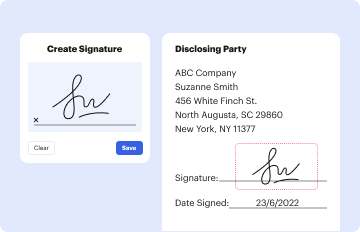
Digital Signature: A secure electronic signature that verifies the identity of the person filling out the form and their agreement to its contents.
-
Encryption: The method by which data entered into the form is transformed into a secure format, protecting it from unauthorized access.
-
Submission Confirmation: This is the acknowledgment you receive once your form has been successfully submitted, often via email or onscreen notification.
Familiarity with these terms can enhance your ability to navigate and complete online forms efficiently.
Key Elements of the Form Online
Online forms typically consist of several key elements designed to collect and process data effectively:
-
User Interface: A clean and intuitive layout that guides the user in filling out the form efficiently.
-
Data Input Fields: Sections like text boxes and drop-down lists designed to capture specific information.
-
Validation Checks: Automated prompts or alerts that ensure data accuracy, such as flagging incomplete sections or incorrect formats.
-
Submit Button: The final action users take to complete their form entry, often accompanied by a progress bar or loading indicator.
-
Confirmation Messages: Notifications that verify successful submission, sometimes providing a reference number for tracking or follow-up.
These elements work together to ensure that forms are not only easy to use but also effective at gathering accurate, usable data.
Legal Use of the Form Online
The legal framework surrounding online forms is underpinned by various regulations to ensure they are secure and trustworthy:
-
ESIGN Act Compliance: The Electronic Signatures in Global and National Commerce Act ensures that digital signatures are legally binding, adding legitimacy to electronically signed documents.
-
Data Protection Laws: Various privacy regulations, like the General Data Protection Regulation (GDPR) for EU countries or the California Consumer Privacy Act (CCPA) in the U.S., ensure that personal data entered into online forms is protected.
-
Authentication Protocols: Systems such as OAuth 2.0 offer secure access, ensuring that only authorized users can interact with the form.
Understanding these legal considerations is crucial for both form creators and users, providing peace of mind that the process is safe and legally compliant.
Software Compatibility and Integration
Online forms are increasingly integrated with various software solutions to enhance functionality and user experience:
-
Cloud Storage Integration: Platforms like Google Drive or Dropbox allow users to directly import or export forms for seamless file management.
-
CRM Systems: Many businesses integrate forms with Customer Relationship Management systems to capture leads and automate client engagements.
-
Accounting Software: Programs such as QuickBooks can incorporate forms to streamline financial documentation processes.
These integrations facilitate a smoother flow of information across various digital tools, reducing manual data entry and increasing productivity.
Digital vs. Paper Version
Choosing between digital and paper forms can depend on several factors, including user preferences and the context in which the forms are used:
Advantages of Digital Forms
- Efficiency: Faster completion and submission speeds.
- Accessibility: Can be completed from any location with internet access.
- Eco-friendly: Reduces paper consumption and waste.
Advantages of Paper Forms
- Tangible Record: Offers a physical copy that can be easily filed or archived.
- No Tech Required: Doesn’t depend on internet access or digital literacy.
Many organizations are shifting towards digital forms due to their clear advantages in speed and convenience, though paper forms remain useful in contexts where digital access is limited or a tangible record is essential.