






Understanding Retention in the New York Naval Militia - NY
Retention within the New York Naval Militia (NYNM) entails maintaining membership and meeting ongoing criteria for service. Members must adhere to specific guidelines to ensure they are fit for duty and continue contributing effectively. This understanding is crucial for anyone looking to remain active in the NYNM.
Definition and Core Purpose
Retention in the NYNM involves ensuring members continue to meet health, training, and service requirements. This process includes regular evaluations to assess a member's ability to perform duties. Retention is not just about maintaining numbers but ensuring the readiness and capability of personnel.
Steps for Successful Retention
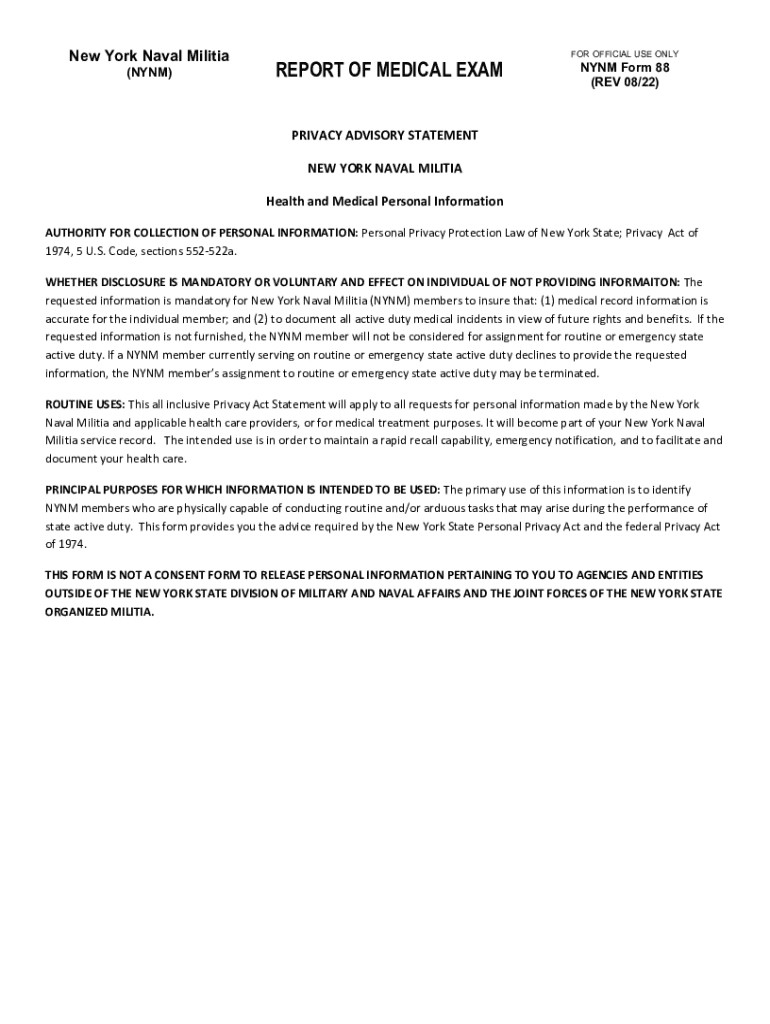
- Regular Health Evaluations: Members must undergo periodic medical examinations to confirm physical capability.
- Training Requirements: Participation in mandatory training sessions and drills is essential for maintaining skills and preparedness.
- Performance Assessment: Regular assessments evaluate a member's performance in their assigned roles and responsibilities.
- Compliance with Regulations: Adhering to the NYNM's rules and regulations is critical for retention.
Who Typically Engages in Retention?
Retention in the NYNM is primarily aimed at current members looking to continue their service. This includes:
- Active duty personnel seeking extended terms
- Reservists who balance civilian careers with military commitments
- Individuals dedicated to maintaining military readiness and capability
Key Elements Influencing Retention
- Health and Fitness Standards: Ensuring ongoing physical health is a cornerstone of retention.
- Commitment to Duty: Demonstrating dedication through reliable performance and participation in drills.
- Professional Development: Engaging in opportunities for skill enhancement and leadership roles within the militia.
Legal Aspects of Retention in the NYNM
Retention is governed by established military and state laws that dictate service terms, requirements, and conditions under which a member may continue service. Recognizing these legal foundations assists members in understanding their rights and obligations.
Important Legal Terms
- Active Duty: Full-time service that involves continuous training and commitment.
- Reservist: A member who serves part-time but may be called to active duty as needed.
- Duty of Care: Legal obligation to perform duties properly and meet health standards.
Important Dates and Filing Requirements
To ensure retention, members must adhere to specific timelines for evaluations and submissions:
- Medical Examination Reports: Typically required yearly or bi-annually.
- Training Certifications: Must be obtained and submitted after the completion of required courses.
Methods of Submission
Applications and reports can generally be submitted through:
- Online Portals: A convenient method for uploading documents and certifications.
- Mail: Traditional mailing methods for those who prefer physical copies.
Penalties for Non-Compliance
Failing to meet retention requirements can lead to dismissal or other administrative actions. Members may face:
- Immediate Removal from Active Roster: If health or training standards are not met.
- Administrative Review: Potential investigations into non-compliance with retention guidelines.
Digital vs. Paper Processes
While traditional methods involve paper submissions, digital platforms are increasingly prominent. Utilizing these platforms offers:
- Efficiency in Submissions: Quick uploads and processing through online portals.
- Instant Access to Needed Forms: Availability of digital documents for download and submission.
Conclusion
Retention in the New York Naval Militia requires an understanding of health, training, legal, and procedural requirements. By adhering to these standards, members can ensure their continued service and contribution to the militia's mission.