






Definition & Meaning
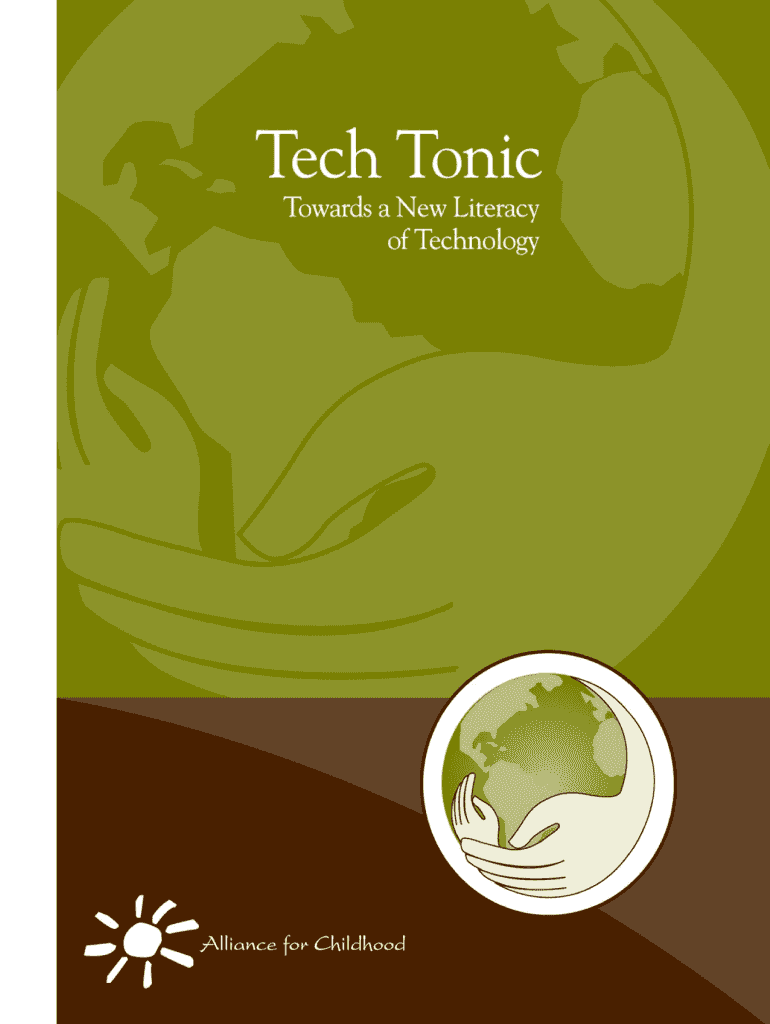
The "Tech Tonic - College of Education - educ msu" refers to an initiative aimed at redefining technology education within the educational domain. This concept likely emphasizes equipping educators and students from Michigan State University with the skills necessary to navigate and critically engage with digital technology. Tech Tonic challenges conventional methods and advocates for a shift towards balanced, mindful technology use that prioritizes human interaction and development over mere technological proficiency.
How to Use the Tech Tonic - College of Education - educ msu
Using the "Tech Tonic - College of Education - educ msu" involves engaging with educational materials and methods designed to foster a new literacy in technology. Users should apply its principles to improve their understanding of technology's role in education and implement the advocated practices in their teaching methodologies. Key techniques may include:
- Incorporating ethical discussions into technology courses
- Emphasizing community and peer collaboration over individual digital tasks
- Encouraging activities that blend physical interaction with digital tools
Steps to Complete the Tech Tonic - College of Education - educ msu
Completing any forms or requirements associated with "Tech Tonic" at the College of Education involves specific steps that need to be adhered to. These may involve:
- Initiating Contact: Reach out to the department of education at MSU to learn precise requirements.
- Reviewing Guidelines: Go through any provided guidelines to understand course/project requirements.
- Submission: Depending on specific instructions, submit the form electronically or through a paper-based method, ensuring all sections are accurately completed.
Key Elements of the Tech Tonic - College of Education - educ msu
The initiative encompasses several key elements designed to redefine technology use in education:
- Holistic Education: Focusses on developing technological proficiency alongside traditional learning.
- Critical Engagement: Encourages students to question and critique the role of technology in their lives.
- Balanced Use: Promotes technology use that doesn't overshadow human interaction or creativity.
- Practical Application: Encourages real-world application in classrooms to ensure skills are transferable outside academic settings.
Who Typically Uses the Tech Tonic - College of Education - educ msu
Primarily, the program is geared towards:
- Educators: Seeking training to better incorporate technology into their curriculum.
- Students: Particularly those in teacher training programs, who are preparing for future roles in education.
- Administrators: Who wish to implement this philosophy within their schools or districts.
- Policy Makers: Interested in reshaping education policy to incorporate these principles.


Important Terms Related to Tech Tonic - College of Education - educ msu
Several terms are central to understanding the initiative:
- Digital Literacy: The ability to effectively and critically navigate, evaluate, and create information using digital technologies.
- Ethical Technology Use: Integrating moral principles in technology usage.
- Community-centric Learning: Learning that prioritizes community needs over individual digital engagement.
- Screen Time Management: Strategies to balance time spent with digital devices to prevent excessive use.
Legal Use of the Tech Tonic - College of Education - educ msu
Legal uses of the program involve adhering to copyright laws and ensuring content developed under the initiative complies with educational law. This includes:
- Complying with FERPA: Ensuring any student data used within the program is protected.
- Ethical Usage: Content and applications developed should not exploit or harm users.
Form Submission Methods (Online / Mail / In-Person)
Submitting forms related to the Tech Tonic initiative at MSU can be done through multiple channels depending on the types of forms:
- Online: Through designated portals on the MSU website for convenience and efficiency.
- Mail: For those who prefer traditional submission methods, forms can be mailed to the College of Education's office.
- In-Person: Direct submissions can also be facilitated for personalized verification and immediate confirmation.
These submission methods ensure flexibility and accessibility for all participants, supporting the diverse needs of educators and students involved.