Definition and Meaning of Personal Details Form
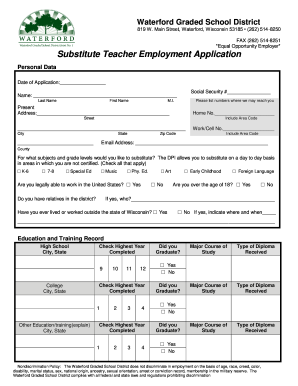
The personal details form is a crucial document used to update or record specific personal information, such as name, date of birth, gender, and other relevant personal identifiers. This form ensures that institutions, such as universities or organizations, have the correct and current information about an individual. This accuracy is essential for legal and functional purposes, helping to maintain up-to-date records for communication, administration, and compliance with various regulations.
Forms like this are often required when significant personal details change, such as a legal name change due to marriage or other circumstances. The personal details form helps standardize how individuals report these changes, maintaining consistency across records.
Key Elements of the Personal Details Form
The personal details form typically includes several key components:
- Name Fields: For entering the current legal name and any previous names.
- Contact Information: Includes home address, phone number, and email address.
- Date of Birth and Gender: These fields are critical for identification and record-keeping.
- Identification Numbers: Such as student or employee ID and sometimes a national identification number.
- Documentation Requirements: Instructions on which documents are needed to verify changes, such as a marriage certificate for a name change.
These fields ensure all necessary information is captured, allowing organizations to maintain accurate records.
How to Obtain the Personal Details Form
Obtaining a personal details form can vary depending on the organization:
- University Settings: Often accessed via the institution’s student portal or administrative office. Physical copies might be available at the student center.
- Online Access: Many organizations offer downloadable versions of the form from their official websites.
- In-Person Requests: Forms may also be obtained by visiting an organization’s office in person, where staff can provide guidance and assistance.
Verifying the correct version for specific purposes is essential, as forms can sometimes vary by institution or need.
Steps to Complete the Personal Details Form
- Review the Form Instructions: Make sure you understand all the requirements and fields.
- Fill in Current Details: Start with your full legal name, current address, and contact details.
- Provide New Information: Enter any changes, such as a new name or updated address.
- Attach Documentation: Include necessary documents to support changes, such as legal name change certificates.
- Double-check Entries: Ensure all the information is accurate and legible.
- Submit the Form: Follow submission guidelines, which can include mailing, online submission, or delivering it in person.
Completing these steps precisely helps avoid processing delays and ensures that records are updated correctly.
Important Terms Related to Personal Details Form
Understanding these terms is crucial:
- Alias: Any secondary or informal name an individual might use; these are typically not accepted for legal documents.
- Legal Name Change: A process requiring official documentation such as a court order or marriage certificate.
- Personal Identification Number (PIN): A unique number used to securely identify an individual within an organization’s system.
Knowledge of these terms helps in accurately completing and processing the form.
Legal Use of the Personal Details Form
This form has legal implications:
- Record Accuracy: Ensures compliance with regulations requiring accurate personal records.
- Data Protection Laws: Forms are subject to data protection and privacy laws; organizations must handle personal data responsibly.
- Identity Verification: Legal name changes must be verified with appropriate documentation to prevent fraud or misrepresentation.
Understanding legal uses ensures compliance with applicable laws and protects both the individual and the organization.
Who Typically Uses the Personal Details Form
This form is used by:
- Students: Typically for university records, updating information in the student database.
- Employees: For updating employer records for payroll and communication.
- Government Agencies: Might use similar forms to update personal records for official documentation.
Different sectors use this form to ensure accurate and current personal information.


Examples of Using the Personal Details Form
Consider scenarios such as:
- College Student Name Change: After getting married, a student submits a personal details form to update her last name with the university administration.
- Employee Address Update: An employee relocating to a new city updates his address in the company records using the form.
- Gender Marker Update: A transgender individual submits documentation for a gender marker change on university records.
These examples illustrate the diverse applications and importance of updating personal records accurately.
Required Documents
When completing a personal details form, specific documents are necessitated:
- Marriage License: For a legal name change.
- Court Order: For any legal name or gender changes.
- Proof of Address: Such as a utility bill for address updates.
Submitting thorough and accurate documentation guarantees that the changes are verified and records are updated correctly and promptly.