





Definition and Meaning
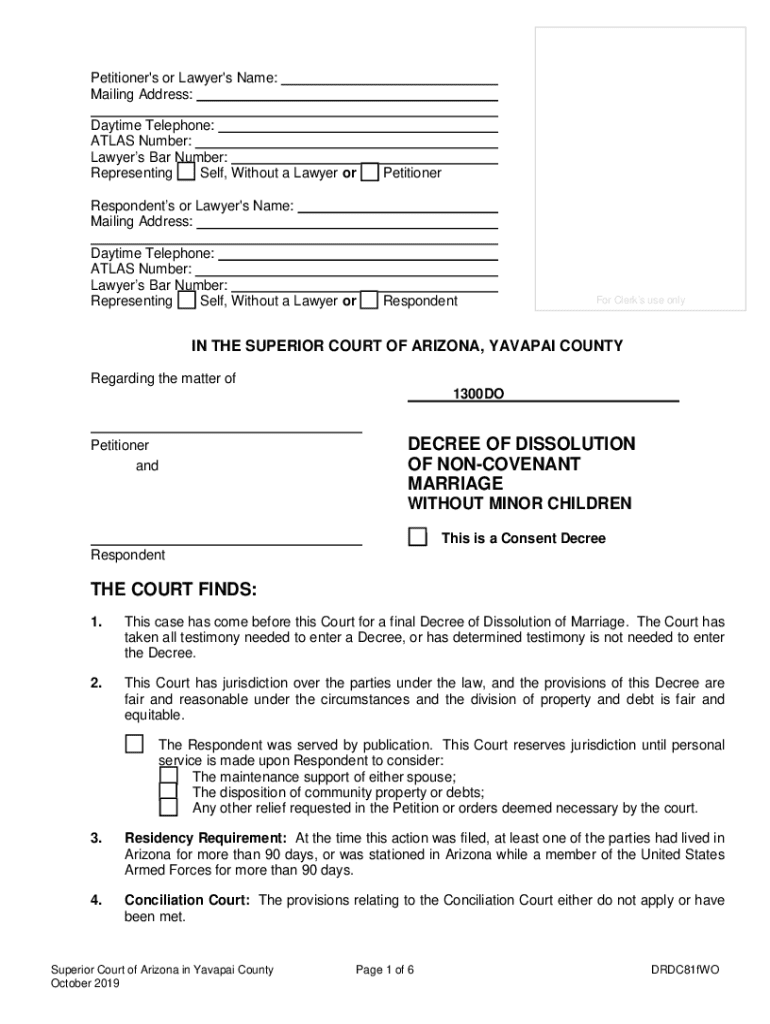
Forms online refer to digital versions of documents that are available via the internet for users to fill out, submit, and often sign digitally. These forms can range from applications and surveys to legal agreements and tax documents, and their availability online streamlines the process of data collection, reduces paper waste, and facilitates accessibility from remote locations. Online forms can be customized to include text fields, checkboxes, and dropdown menus, allowing users to input information directly into the form before submission. This digital format is beneficial for both individuals and organizations, as it simplifies the distribution and completion processes, ensuring data is collected in a structured and efficient manner.
How to Obtain the Form Online
Obtaining a form online typically involves visiting the website of the entity issuing the form. Many institutions provide these forms in user-friendly formats on their official websites. For instance, government agencies, educational institutions, and businesses often host forms on their websites, allowing users to download and complete them electronically. In some cases, forms may be accessed directly through links sent via email or shared through cloud storage services. Users can save these forms to their computers or devices and often have the option to directly fill them out within a web browser or a compatible software application.
Steps to Complete the Form Online
- Access the Form: Navigate to the website hosting the form or open the form from a shared link.
- Fill Out Required Fields: Enter information into the necessary text fields, select options from dropdown menus, and check applicable boxes. Forms may have required fields marked with an asterisk to indicate essential information.
- Review for Accuracy: After completing the form, review all the entered data to ensure accuracy and completeness. Pay special attention to mandatory sections that must be filled to proceed.
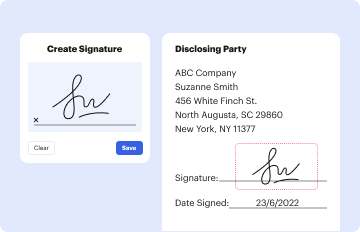
- Sign Electronically (if applicable): If an electronic signature is required, use the form's signature tools to sign. This often involves clicking a signature field and drawing or typing a signature.
- Submit the Form: Once satisfied with all inputs, submit the form by clicking the designated button. Some forms allow saving a copy before submission.
- Confirmation: Upon submission, a confirmation message or email usually verifies successful receipt. Keep this confirmation for your records.
Why Should You Use Form Online
Opting for forms online offers multiple advantages:
- Convenience and Accessibility: Users can complete forms from anywhere with internet access, removing the need for physical presence.
- Efficiency: Time is saved as information can be entered quickly and submitted electronically without postal delays.
- Data Accuracy: Digital forms often include validation checks and error messages, helping ensure data is entered correctly.
- Cost-Effectiveness: Reducing or eliminating printing and postal costs represents significant savings, particularly for large organizations.
- Environmental Benefits: Minimizing paper use contributes to environmental sustainability efforts.
Key Elements of the Form Online
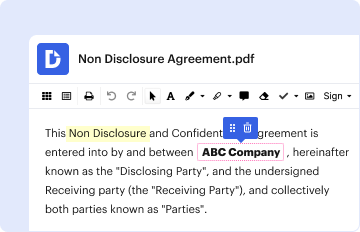
- Interactive Fields: Online forms feature interactive elements like text boxes and dropdown menus, allowing users to input information directly.
- Instructions and Guidelines: Many forms include embedded instructions or guidance notes to assist users in accurately completing required fields.
- Validation and Error Checking: These checks help maintain data integrity by alerting users to omissions or incorrect entries.
- Submission and Confirmation Features: A submission button for sending completed forms and a system for confirming receipt, often via email or onscreen notification.
- Security Measures: Encryption and password protection ensure that data entry is secure and private.
Legal Use of the Form Online
Online forms hold the same legal status as their paper counterparts when formatted and filled correctly. As they are often used for official purposes such as contract agreements and government filings, ensuring compliance with relevant legal standards is critical. Electronic signatures on forms online are qualified under laws like the ESIGN Act in the United States, granting them the same legal weight as handwritten signatures. Confidentiality, data protection, and authenticity are fundamental considerations for legally binding online forms, often enforced through secure platforms that ensure compliance with privacy regulations.
Software Compatibility
Forms online are typically compatible with a variety of software platforms, enhancing accessibility and usability:
- Browsers: Forms are designed to work across popular web browsers, such as Chrome, Firefox, Safari, and Edge.
- Document Readers: PDFs and similar file formats can be opened and edited using PDF readers like Adobe Acrobat.
- Cloud Services: Compatible with cloud platforms like Google Drive and Dropbox, allowing secure access and sharing.
- Operating Systems: Most online forms are accessible across major operating systems, including Windows, macOS, iOS, and Android, ensuring universal access.
- Integration: Many systems support integration with software applications like Microsoft Office Suite and Google Workspace, facilitating seamless use within broader workflows.
State-Specific Rules for the Form Online
Forms, especially those involving legal or governmental issues, can be subject to varying rules and regulations based on the state in which they are used:
- Variable Requirements: Some forms have fields or sections specific to certain state regulations.
- Submission Locations: While the process for completing the form may be uniform, submission requirements can differ; for example, some states may require mailing while others accept only online submissions.
- Terminology: Language and terms may differ to align with state legislative language.
- Certification and Authentication: State laws dictate the requirements for electronic signatures and any necessary notarization.
- Compliance Needs: Understanding and adhering to the specific requirements of the state is crucial to ensure the legal validity of submitted forms.
Penalties for Non-Compliance
Failing to submit required forms online or providing incorrect information can lead to several penalties:
- Fines and Fees: Non-compliance can result in financial penalties or late fees.
- Legal Consequences: In some instances, failure to comply can lead to legal action, especially if related to tax or legal filings.
- Operational Delays: Missing necessary forms or deadlines can stall processes, such as business registrations or licensing.
- Credibility Impact: Incorrect submissions can damage personal or business credibility and result in increased scrutiny in future submissions.
Maintaining diligence when completing and submitting forms online is critical to avoid these potential penalties.