





Definition and Meaning of Form Online
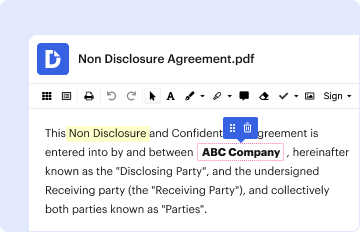
The term "form online" refers to any document or application that can be accessed, filled out, and submitted through the internet. These digital forms are widespread across various sectors, including government, business, and education. Online forms often replace traditional paper forms, offering convenience, efficiency, and accessibility. They enable users to input data directly, reducing errors associated with manual entry and facilitating faster processing. When discussing "form online," it encompasses not only the digital interface where users input their information but also the backend systems that manage data collection and storage.
Steps to Complete the Form Online
To effectively complete a form online, follow these structured steps:
-
Access the Form: Navigate to the website where the form is hosted. This might require logging in or creating an account.
-
Review Instructions: Before starting, read any provided instructions or guidelines to ensure you understand the requirements.
-
Fill in the Required Fields: Enter your information as specified. Required fields are typically marked with an asterisk (*).
-
Attach Supporting Documents: If the form requires additional documents (e.g., identification, proof of residence), upload these in the specified formats.
-
Verify Information: Double-check your entries for accuracy to avoid submission errors.
-
Submit the Form: Once completed, click the submit button. You may receive a confirmation message or email as proof of submission.
Examples of Complex Forms
- Tax Filings: Forms like the IRS e-file require detailed income and expenditure data.
- College Applications: Include personal information, academic history, and often essay uploads.
Legal Use of the Form Online
Using forms online legally involves adhering to the rules and regulations associated with the form in question. For example, when submitting government forms online, compliance with applicable laws such as privacy regulations is crucial. Understanding the legal framework ensures that personally identifiable information (PII) is protected and only used for its intended purpose. It's vital that entities providing online forms comply with laws like the Electronic Signatures in Global and National Commerce Act (ESIGN Act) to ensure digital signatures are legally binding. Users should be aware that some forms may require additional verification steps to meet legal standards, such as notarization or third-party validation.
Key Elements of the Form Online
Online forms typically consist of several key elements that facilitate data collection:
- Input Fields: Areas where users enter data, ranging from text boxes to dropdown menus.
- Instructions and Help Guides: Provide guidance on how to complete the form and what information is needed.
- Validation: Real-time feedback that ensures data is entered in the correct format (e.g., email addresses or zip codes).
- Submission and Feedback: A mechanism for users to submit the form and receive confirmation or feedback on the submission outcome.
Example Elements and Usage
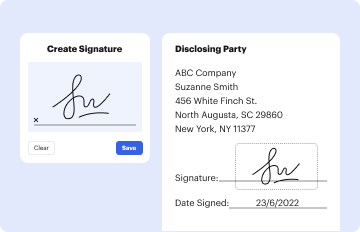
- Signature Field: Used for agreements and contracts to capture legally binding electronic signatures.
- Checkboxes and Radio Buttons: Allow users to select options without manual text entry.
State-Specific Rules for Form Online
Regulations regarding online forms can vary significantly from state to state, especially for government-related documents. Certain states may have specific mandates around data privacy, electronic storage, and submission deadlines. For instance, tax forms in California may have different requirements compared to those in New York. Understanding these state-specific rules is crucial for compliance and successful form submission. Businesses that operate in multiple states need to adapt their online forms to comply with each state's regulations to avoid penalties.
Real-World Scenarios
- Driver's License Renewal: States have different online renewal processes; some allow digital certifications while others do not.
- Business Registration: States might require unique documentation for online submission.
Required Documents for Form Online
When completing a form online, certain documents may be required to verify identities or provide additional information. These can include:
- Identification Documents: Such as a driver’s license, passport, or state ID.
- Financial Statements: For loan applications or financial disclosures.
- Proof of Residence: Utility bills or lease agreements for address verification.
Variations and Exceptions
- Educational Applications: May require transcripts and letters of recommendation.
- Visa Applications: Often necessitate background checks and police clearances.
Form Submission Methods
Online forms offer multiple submission methods tailored to the user's circumstances and preferences:
- Direct Online Submission: The most common method, where users submit directly via the website.
- Email Submission: Some forms allow completion online but need to be emailed for submission.
- Download and Upload: Users download a form, fill it out offline, then upload it back to the platform.
Alternative Submission Methods
- Mail Submission: While primarily digital, some forms allow or require paper submissions.
- In-Person Verification: Certain applications might necessitate presenting documents in person for verification despite initial online submission.
Digital vs. Paper Version
The transition from paper to digital forms offers several advantages:
- Efficiency: Automatic data capture reduces manual entry errors and speeds up processing times.
- Cost-Effectiveness: Reduces the need for physical materials and storage space.
- Accessibility: Allows for broader reach, enabling anyone with internet access to fill out and submit forms from any location.
Comparison Considerations
- Security: Digital forms often have encryption and authentication layers, enhancing data security compared to unsecured paper forms.
- Environmental Impact: Reducing paper usage contributes to environmental sustainability efforts by decreasing paper waste.