Definition and Purpose of the Apartment Information Sheet
An apartment information sheet is a critical document utilized primarily in rental situations to facilitate communication and record-keeping between landlords and tenants. This document serves to capture essential details about the tenant, the leasing conditions, and any additional stipulations relevant to the rental agreement. By effectively collecting this information, both parties can prevent misunderstandings and ensure that all aspects of the tenancy are clear and agreed upon before moving forward.
Primary Functions
- Tenant Identification: Records personal details of the tenant such as name, contact information, and other identifying data.
- Lease Terms: Details about the rental agreement, including lease duration and rent amount.
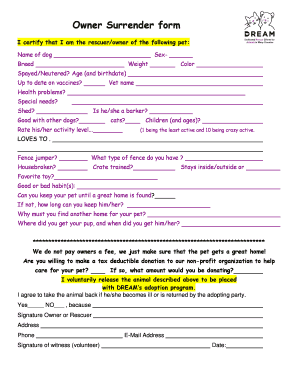
- Occupants and Pets: Information about other individuals residing in the apartment and pets, if applicable.
Significance
- Legal Record: Acts as an official record in case of disputes.
- Lease Compliance: Ensures all parties understand and comply with lease terms.
Real-World Example
Consider a renter in New York City who fills out an apartment information sheet to provide their contact and emergency information. This not only satisfies the landlord's need for tenant records but also assures the tenant that their details are secured within a formal document.
Key Elements of the Apartment Information Sheet
The apartment information sheet encompasses several important elements designed to gather comprehensive data crucial for the rental process. These elements help delineate responsibilities and protect the rights of both tenants and landlords.
Core Components
- Tenant Information: Name, current address, phone number, and email.
- Lease Details: Start and end date, monthly rent, and deposit amount.
- Occupant Details: Names and relationships of other residents.
- Pet Information: Type, breed, and any restrictions or policies.
Additional Specifications
- Emergency Contacts: Information for reaching someone in case of tenant emergencies.
- Insurance Requirements: Notes on required rental or liability insurance, as noted in some university housing.
To assure the integrity of the tenancy terms, tenants might be asked to sign this document, affirming the accuracy of the information provided.
How to Use the Apartment Information Sheet
Utilizing an apartment information sheet requires a systematic approach to ensure that all necessary information is compiled accurately and submitted in a timely manner. This vital step supports both operational efficiency and future reference.
Steps to Utilize
- Download or Obtain: Acquire a form from the landlord or property's management office.
- Complete Information: Fill out fields for personal information, lease specifics, and other requested data.
- Review Entries: Carefully check for errors or omissions that might affect the lease agreement.
- Submit the Form: Return to the landlord or property manager within the given deadline.
Practical Considerations
- Electronic Filing: Many managers offer digital submissions via platforms like DocHub, streamlining the process.
- Updates and Changes: Notify the landlord immediately of any changes to the information.
Throughout this process, maintaining an organized and methodical approach ensures smooth communication and enhances tenant experiences.
Legal Use and Compliance with the Apartment Information Sheet
Understanding the legal context in which an apartment information sheet operates is crucial for tenants and landlords alike. This document functions within the legal frameworks governing lease agreements and privacy regulations specific to rental situations.
Legal Requirements
- Compliance with Privacy Laws: Ensures compliance with privacy laws regarding the collection and keeping of personal information.
- Tenant Rights: Tenants should be informed of their rights regarding data usage.
Common Legal Clauses
- Confidentiality Clause: May be included to prevent unauthorized sharing of tenant information.
- Accuracy Verification: Often requires tenant signature to affirm correctness of information; protects against legal disputes.
In the realm of leasing, ensuring adherence to legal standards enhances trust and clarity between involved parties, a factor that considerably influences the tenancy experience.
Important Terms Related to the Apartment Information Sheet
Clarity on key terms related to an apartment information sheet aids in understanding its function and importance within the leasing process. This knowledge is particularly vital when dealing with lease agreements, documentation, and tenant responsibilities.
Crucial Terminology
- Lease Agreement: A contract between landlord and tenant outlining terms and conditions of the rental.
- Deposit: Monetary payment held by landlord as security over lease duration.
- Subletting: Renting out the apartment, partially or fully, to another party under the tenant's existing lease.
Practical Context and Usage
- Insurance Clause: Specifies insurance coverage requirements landlords may enforce, referenced in the information sheet.
- Tenant Obligation: Adherence to rules and procedures stipulated within the form increases accountability.
By becoming familiar with these terms, tenants can effectively navigate leasing processes and safeguard their interests.
Steps to Complete the Apartment Information Sheet
Efficiently completing an apartment information sheet involves following a structured series of steps to ensure all pertinent information is covered thoroughly. This careful approach benefits tenants by minimizing the potential for errors that could affect the lease.
Detailed Steps
- Identify Necessary Documents: Gather all personal records, including ID and prior rental references.
- Fill Out Personal Information: Start with personal contact details and lease-related data.
- Include Additional Residents: List all occupants and pet details if relevant.
- Verify Insurance and Emergency Details: Examine the rental insurance requirement and note emergency contacts.
- Review and Correct: Examine the entire form for errors before final submission.
This methodical completion process not only contributes to error-free documentation but also enhances tenant assurance about their lease engagement.
Examples of Using the Apartment Information Sheet
Exploring practical examples of an apartment information sheet elucidates its significant role in various renting scenarios. These real-world instances highlight the diversity of situations in which this document becomes an indispensable part of the renting process.
Common Scenarios
- University Housing: Students residing in dorms or affiliated housing often submit detailed resident information sheets, including emergency contacts and insurance proofs.
- Short-Term Rentals: In cities like San Francisco, where short-term rentals are prevalent, landlords use these sheets to collect data swiftly for changing tenants.
Potential Challenges and Solutions
- Incomplete Information: Tenants can pre-emptively ask landlords for guidance on mandatory fields to prevent re-submission.
- Changing Information: Promptly updating details such as new phone numbers or insurance policies is critical to maintain up-to-date records.
These examples demonstrate how apartment information sheets are applied across different leasing landscapes, contributing to a seamless rental experience.