Definition & Meaning
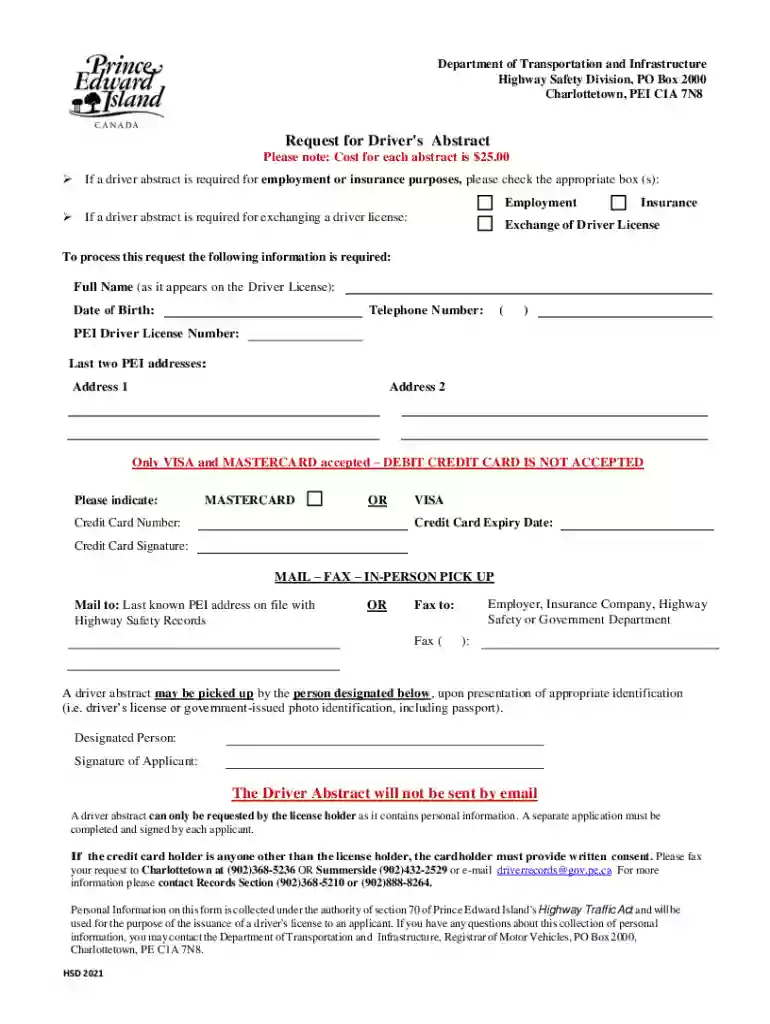
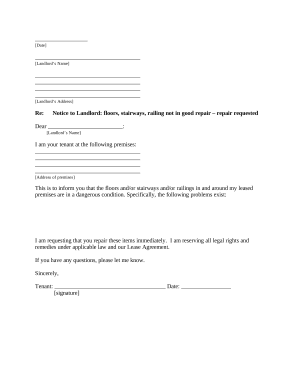
Understanding the term "form online" involves recognizing its dual role as both a digital document and an interactive tool. A form online refers to any document or questionnaire that is accessible and fillable directly on the internet, enabling users to input, submit, and manage information without the need for printing or scanning. This form type enhances convenience by allowing users to complete necessary tasks from virtually any location with internet access. Forms online span various uses, including tax filings, survey submissions, and application processes, mirroring their paper counterparts but with added digital advantages like automatic data entry and real-time validation.
Benefits of Using Online Forms
- Accessibility: Complete forms anytime and anywhere with internet access.
- Efficiency: Streamlined workflows and faster processing.
- Accuracy: Real-time validation can reduce errors.
- Eco-Friendly: Eliminates the need for paper, contributing to sustainability efforts.
Common Use Cases
- Tax filings (e.g., IRS forms)
- Job applications
- Customer feedback surveys
- Event registrations
Steps to Complete the Form Online
Completing an online form involves several straightforward steps, generally designed to maximize user convenience and ensure accuracy in data collection. The process begins with accessing the form through a web browser, either by visiting a specific URL or receiving a direct link via email or another communication channel.
Step-by-Step Guide
- Access the Form: Visit the provided web link or navigate through your application interface.
- Review Instructions: Before starting, read any accompanying guidelines to understand the form's requirements.
- Fill in Required Fields: Complete each section, where fields that require data will typically be marked as mandatory.
- Review and Edit: Check entries for accuracy; use editing tools to correct any mistakes.
- Submit: Once reviewed, submit the form, triggering data transfer to the intended recipient or system.
Interactive Features
- Auto-save: Some platforms offer this to prevent data loss during form completion.
- Instant Feedback: Receive alerts for missing or incorrect entries.
How to Obtain the Form Online
Obtaining a form online typically involves accessing a website or receiving it via digital communication channels. Forms can be sourced directly from government websites, organizational portals, or through document management platforms like DocHub.
Access Points
- Official Websites: Visit the relevant organization or governmental site's forms section.
- Email Attachments: Receive forms directly in your inbox from authorized entities.
- Document Management Systems: Use platforms like DocHub to locate and obtain necessary forms.
Considerations
- Web Browser Requirements: Ensure compatibility with the site hosting the form.
- Secure Access: Verify website security to protect your personal information.
Key Elements of the Form Online
Online forms are built with several key elements tailored to guide users through a seamless information submission process. These components ensure that the form is comprehensive, user-friendly, and capable of capturing all necessary data efficiently.
Essential Components
- Title and Introduction: Clearly identify the form's purpose and any relevant instructions.
- Input Fields: Text boxes, checkboxes, and dropdown menus to store user input.
- Submission Button: Usually located at the end for users to finalize entries.
- Confirmation Message: Provided immediately after form submission for user reassurance.
Design Features
- Responsive Layout: Adapts the form to different screen sizes for mobile and desktop use.
- Interactive Validation: Prompts errors or confirmations on user entries to ensure data accuracy.
Legal Use of the Form Online
Utilizing forms online, particularly for official and legal purposes, requires adherence to specific regulations to ensure compliance and validity. Online forms used for legal, financial, or confidential purposes must adhere to privacy laws and digital authentication methods.
Compliance Standards
- ESIGN Act: Ensures electronic signatures on documents are legally binding.
- Data Protection Laws: Adherence to laws like GDPR or CCPA for handling personal information.
Security Measures
- Encryption: Secure data with technologies such as SSL during transmission.
- Authentication Protocols: Utilize methods like OAuth 2.0 for secure form access.
Who Typically Uses the Form Online
Online forms are extensively used across a variety of sectors, serving individuals, businesses, and government entities. They cater to a wide range of users, providing flexible solutions for data submission and collection.

User Profiles
- Individuals: Engaged in personal transactions like applying for licenses or submitting tax forms.
- Businesses: Utilizing forms for client feedback, employee onboarding, or compliance reporting.
- Government Agencies: Deploying forms for census data collection or regulatory filings.
Benefits for Different Groups
- Time Savings: Quick processing and reduced wait times for responses.
- Cost Efficiency: Saves on costs associated with printing, mailing, and physical storage.
Required Documents
When preparing to fill out a form online, having the necessary documentation at hand can significantly streamline the process. Required documents depend on the form's purpose but generally include identification, proofs of eligibility, and sometimes financial records.
Typical Document Requirements
- Government Forms: Identification, proof of residence, social security number.
- Financial Applications: Income statements, bank information, tax returns.
- Employment Applications: Resume, cover letter, and reference contacts.
Preparation Tips
- Use Digital Copies: Ensure you have scanned or digital versions of all necessary documents.
- Keep Extras Ready: Have additional documents on hand in case the form requires unexpected uploads.
Form Submission Methods (Online / Mail / In-Person)
Online forms offer multiple submission methods to accommodate various user preferences and technological capabilities. While the digital submission is the most prevalent, alternative methods remain essential for contexts where digital access is limited or not preferred.
Submission Options
- Online: Direct electronic submission via the platform hosting the form.
- Mail: Printed forms can be sent through postal services when digital submission isn't possible.
- In-Person: Delivery to physical locations in cases where personal verification is necessary.
Factors Affecting Choice
- Access to Technology: Availability of computers or mobile devices may influence user preference.
- Urgency: Online submissions often provide the fastest processing times.
- Verification Needs: In-person submissions might be required for documents needing witnessed completion.