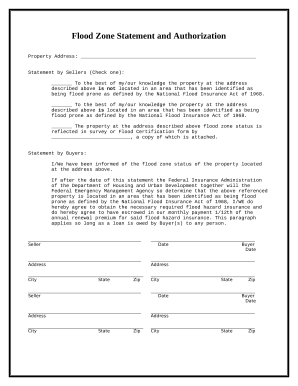
01. Edit your form online
Type text, add images, blackout confidential details, add comments, highlights and more.

Type text, add images, blackout confidential details, add comments, highlights and more.

Draw your signature, type it, upload its image, or use your mobile device as a signature pad.

Send it via email, link, or fax. You can also download it, export it or print it out.
The Groundwater Entry Point Chlorine Residual Monitoring Log is a critical document used to record the chlorine levels at groundwater entry points. This log plays a significant role in ensuring that water systems maintain compliance with safety standards by tracking chlorine residuals. Chlorine residuals refer to the amount of chlorine remaining in water after the disinfection process, which is essential for killing pathogens and preventing waterborne diseases. This monitoring log helps operators document the effectiveness of the disinfection process and make necessary adjustments to maintain safe drinking water conditions.
A comprehensive Groundwater Entry Point Chlorine Residual Monitoring Log includes several key components:
Each element contributes to a detailed record that supports water quality and public health.
To effectively use the Groundwater Entry Point Chlorine Residual Monitoring Log:
These steps help maintain regulatory compliance and safeguard water quality.
Operators of municipal and private water systems primarily utilize the Groundwater Entry Point Chlorine Residual Monitoring Log. They are responsible for ensuring that water disinfection processes are effective. Environmental and public health agencies may also review these logs during inspections or compliance checks.


Filling out the Groundwater Entry Point Chlorine Residual Monitoring Log involves the following steps:
Following these steps helps maintain a reliable record of water quality.
While federal standards provide a baseline for chlorine residual levels, individual states may have additional regulations:
Staying informed about the specific requirements in your state ensures compliance and effective monitoring.
Failing to maintain accurate or timely records in a Groundwater Entry Point Chlorine Residual Monitoring Log can lead to serious consequences:
Understanding these potential repercussions underscores the importance of diligent record-keeping.
Several scenarios highlight the importance of using the Groundwater Entry Point Chlorine Residual Monitoring Log:
These examples illustrate the log's role in promoting water safety and operational transparency.
Maintaining the Groundwater Entry Point Chlorine Residual Monitoring Log is crucial for several reasons:
Through consistent documentation and analysis, the monitoring log becomes an invaluable tool in maintaining safe drinking water supplies.
We've got more versions of the Groundwater Entry Point Chlorine Residual Monitoring Log form. Select the right Groundwater Entry Point Chlorine Residual Monitoring Log version from the list and start editing it straight away!
| Versions | Form popularity | Fillable & printable |
|---|---|---|
| 2016 | 4.1 Satisfied (27 Votes) |
At DocHub, your data security is our priority. We follow HIPAA, SOC2, GDPR, and other standards, so you can work on your documents with confidence.