Definition & Significance of the Rental Application Primary Applicant
The "Rental Application Primary Applicant" is a comprehensive document designed to collect detailed personal, employment, and financial data from individuals seeking rental accommodation. Serving as an initial step in a tenant screening process, this application enables landlords to evaluate a prospective tenant’s reliability and financial capability. By declaring the accuracy of the information provided and giving consent for consumer history verification, applicants streamline the approval process, making their application more appealing to potential landlords.
Key Elements of the Rental Application
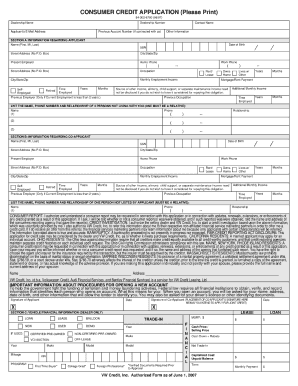
The rental application form requires the primary applicant to provide a multitude of detailed sections:
- Personal Information: This includes details such as the applicant's full name, contact information, and Social Security number, ensuring the landlord has enough details for contact and background checks.
- Residential History: Applicants must list their current and previous addresses along with landlord references. This section allows landlords to assess an applicant's rental history and behavior as a tenant.
- Employment Details: Including current employer, job position, and employment duration. This information helps determine income stability.
- Income Sources and Financial Information: Applicants need to disclose their primary income, any additional income sources, and provide bank references, giving landlords insight into their financial stability.
- Personal and Professional References: Listing references can validate the applicant’s information and provide additional character insights.
Steps to Complete the Rental Application
Completing a rental application requires accuracy and thoroughness:
- Gather Necessary Documentation: Before starting, applicants should assemble proof of identity, recent pay stubs, bank statements, and references.
- Fill in Personal and Residential Details: Provide accurate contact information and a comprehensive rental history.
- Complete Employment and Income Sections: Include detailed employment information and all sources of income.
- List References: Provide personal and professional references.
- Review and Sign: Carefully review to ensure accuracy, then sign to declare the truthfulness of the provided details and grant consent for background checks.
Who Typically Uses the Rental Application Primary Applicant
The application is predominantly used by individuals wishing to lease residential properties, including:
- Single Renters: Individuals renting for themselves.
- Families or Couples: One applicant may fill this role when another co-applicant will share the lease.
- Students: Often used by students seeking off-campus housing, typically requiring a co-signer.
- New Employees or Relocators: Those moving due to employment often leverage applications to secure a new home quickly.


Legal Use of the Rental Application
Completing this application lawfully requires:
- Consent for Background Checks: Applicants must agree to credit and background checks.
- Data Protection: The landlord must ensure applicant data is securely stored and used solely for leasing purposes.
- Non-Discrimination: Landlords must adhere to the Fair Housing Act, ensuring decisions are not based on race, color, religion, sex, familial status, or national origin.
Important Terms Associated with Rental Applications
Understanding key rental application terms is crucial:
- Primary Applicant: The main individual applying for the rental.
- Co-Applicant: Any additional person who will sign the lease and share financial responsibility.
- Lease Agreement: The contract the applicant prepares to sign upon approval.
- Security Deposit: An upfront payment to protect landlords from potential damages or unpaid rent.
State-Specific Rules for Rental Applications
Different states and municipalities may have varied requirements or restrictions, including:
- Security Deposit Caps: Some states limit how much a landlord can request for a security deposit.
- Application Fee Regulations: There may be regulations on how much landlords can charge for application fees.
- Disclosure Requirements: Landlords may need to disclose specific property-related facts, such as lead paint presence in older buildings.
Software Compatibility with Rental Applications
In an increasingly digital world, rental applications benefit from compatibility with multiple digital platforms:
- Document Management Platforms: Services like DocHub allow applicants to fill and sign forms online efficiently.
- Accounting Software Integration: Programs like QuickBooks can help landlords manage incoming applications and associated financial records.
- Secure Online Storage: Platforms like Dropbox or Google Drive can be used to securely store signed applications for easy retrieval and review.