





Definition & Purpose of the Parking Space Lease Agreement
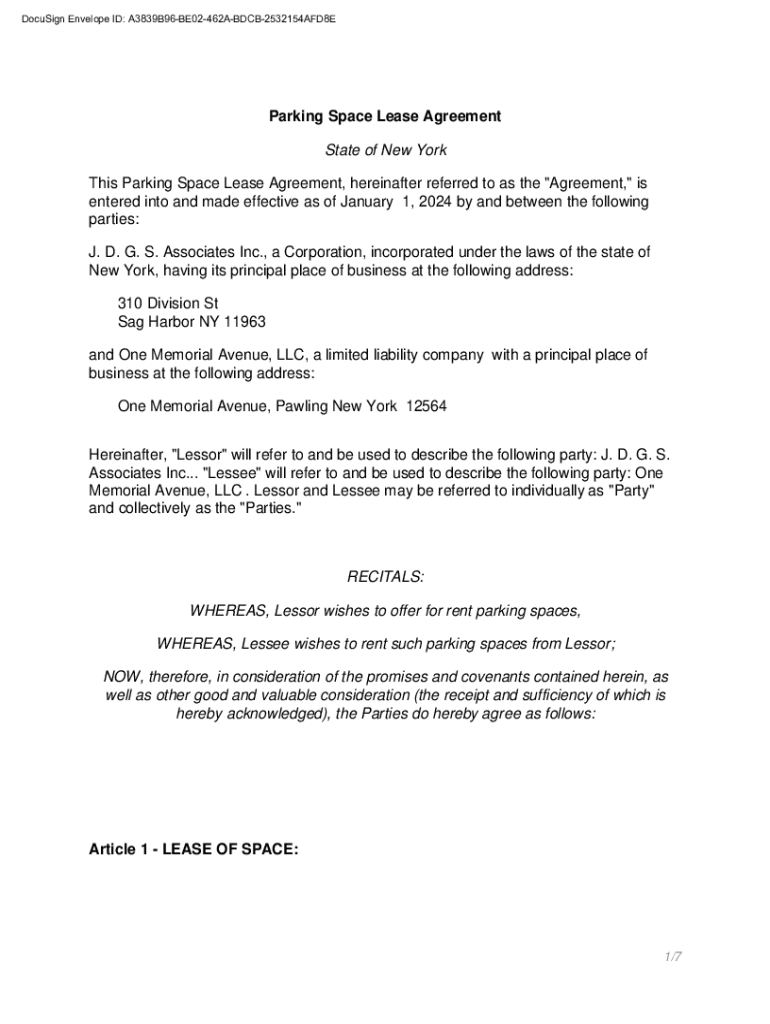
The Parking Space Lease Agreement is a legally binding contract between two parties in the State of New York, detailing the terms under which a parking space is rented. Primarily used in urban or commercial areas where parking is scarce, it formalizes the relationship between the lessor (property owner) and lessee (individual or business) concerning the space's use. This agreement is essential to prevent misunderstandings and potential disputes by clearly outlining terms like rental duration, payment obligations, and responsibility for maintenance.
Key Elements Included in the Agreement
To ensure comprehensive coverage, the Parking Space Lease Agreement typically includes several vital elements:
- Parties Involved: Legal names and contact information of both the lessor and lessee.
- Property Description: Detailed description or designation of the parking space, such as its location and any identifying features.
- Term of Lease: The beginning and ending dates of the lease term, and provisions for renewal if applicable.
- Rent and Payment Details: Monthly rental amount, payment schedule, late fees, and acceptable payment methods.
- Rights and Responsibilities: Clauses detailing the obligations of each party, including maintenance and liability provisions.
- Termination Conditions: Conditions under which the lease may be terminated early, including breach of terms or mutual agreement.
Legal Use and Compliance Requirements
Specific to New York, parking lease agreements must comply with state property laws and regulations:
- Disclosure Requirements: The lessor might need to disclose prior claims against the property, ensuring there's a clear title for lease.
- Security and Liability: The contract typically includes a liability clause to protect the lessor from claims due to incidents within the leased premises.
- Rent Regulation Compliance: Understanding state-specific rent control or stabilization statutes is crucial if applied to parking spaces.
How to Use the Parking Space Lease Agreement
When engaging with a Parking Space Lease Agreement, parties should follow a structured approach:
- Review All Terms: Both lessor and lessee should thoroughly review the document to ensure mutual understanding of all clauses.
- Negotiate Adjustments: If any terms are not favorable, discuss potential adjustments before signing.
- Seek Legal Assistance: Consider consulting with an attorney specializing in property law to validate the legal soundness of the agreement.
- Finalize and Sign: Once revisions are addressed, both parties sign to make the agreement legally binding.
Important Terms to Know
Familiarity with key terms can enhance understanding and execution of the lease:
- Lessor and Lessee: The parties in the agreement; lessor owns the space, lessee rents it.
- Sublease: The act of the lessee renting out the space to another party, which usually requires the lessor's consent.
- Covenant: Promises within the agreement, such as maintenance duties or restrictions on the space's use.
State-Specific Rules Affecting the Agreement
New York has specific rules that affect parking leases:
- Zoning Laws: Ensure that the parking area complies with local zoning requirements.
- Environmental Regulations: Obligations in terms of waste management and environmental preservation within the space.
- Tax Implications: Understand any state or local taxes that may impact the economic terms of the lease.
Steps to Complete the Agreement
Ensuring the form is correctly filled involves these steps:
- Gather Necessary Information: Collect all required details about both parties and the parking space.
- Fill Out the Agreement: Enter provided information carefully, ensuring accuracy.
- Review for Completeness: Double-check that all sections are filled and no important terms are omitted.
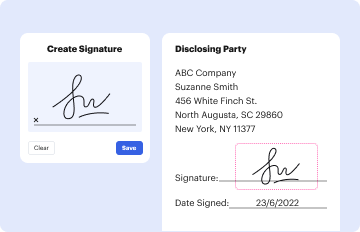
- Signatures and Dates: Have both parties sign and date the document to validate it.
Who Typically Uses This Agreement
The agreement is widely applicable across various sectors:
- Businesses: That require parking for employees or customers.
- Residents: In densely populated areas with limited parking availability.
- Commercial Property Owners: Leasing their vacant lots or spaces to generate revenue.
Examples and Scenarios of Use
Consider the following example scenarios:
- Corporate Leases: Companies in New York leasing multiple spots for executive staff parking.
- Event Spaces: Temporary parking leases during events to accommodate increased visitor turnout.
- Residential Complexes: Tenants in an apartment building leasing additional parking spaces for secondary vehicles.
Penalties for Non-Compliance
Breach of the agreement can lead to various consequences:
- Lease Termination: Immediate termination of the agreement.
- Financial Penalties: Fines or back charges for unpaid dues.
- Legal Action: Potential lawsuits for damages or compliance with terms.
In-depth understanding and proper usage of the Parking Space Lease Agreement can ensure a smooth and legally protected leasing process, benefiting both lessors and lessees in New York.